
Introduction
What Does “Classic Bathroom Remodel” Mean?
The Classic Bathroom Remodeling Process
Design Elements & Considerations
Cost & Return on Investment (ROI)
Common Challenges & How to Avoid Them
Maintenance & Care After Remodel
Why Choose Remodel California Company
Case Example: Classic Bathroom Remodel in Rocklin, CA
Tips for Homeowners
Conclusion
Introduction
In California, bathrooms aren’t just functional spaces—they’re personal sanctuaries. Homeowners increasingly view them as areas of retreat, style, and comfort rather than simply utility. A “classic” bathroom remodel offers the perfect opportunity to combine timeless design with modern functionality: a space that remains elegant and relevant for years, improves everyday experience, and adds to home value.
The team at Remodel California Company emphasizes whole-home remodeling across California, including bathroom remodeling as a key service. Remodel California+1 They highlight tailored design, quality craftsmanship, and a full service process from concept to completion. Remodel California+1
In this article, we’ll explore what makes a classic bathroom remodel, why it matters in California, the process, design elements, costs and return on investment (ROI), how to avoid common pitfalls, and how Remodel California Company stands out.
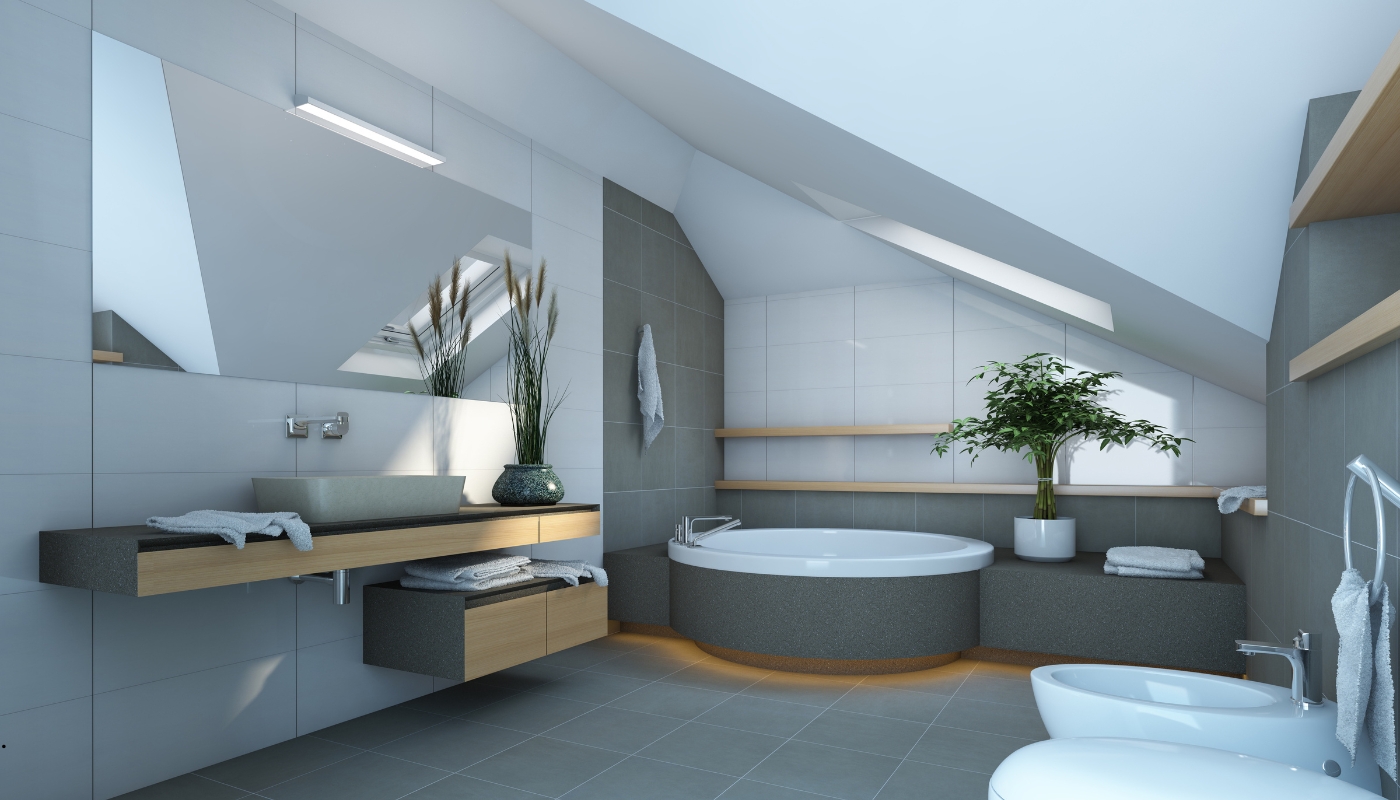
What Does “Classic Bathroom Remodel” Mean?
A “classic” bathroom remodel is less about chasing trendy finishes and more about enduring design, quality materials, and intelligent functionality. According to Remodel California’s article on classic bathroom remodels in places like Roseville and Rocklin, the core design principles include:
-
Balanced proportions, symmetry, and well-considered layout. Remodel California+1
-
A neutral, calming color palette (whites, creams, soft grays, muted blues) rather than bold, overly trendy hues. Remodel California+1
-
Natural materials (marble, quartz, natural stone, high-quality porcelain tile) used in flooring, countertops, walls. Remodel California
-
Traditional fixture styles (polished nickel, brass, chrome finishes) or timeless choices rather than highly futuristic or ultra-modern forms. Remodel California
-
Quality craftsmanship—meticulous tile work, cabinetry, finishes that are built to last rather than built to fade. Remodel California+1
-
Understated luxury: elegant but comfortable, with functionality front and center. As one article puts it: “A ‘classic’ bathroom remodel centers around balance, simplicity, and timeless materials.” Remodel California
By contrast, a “trend-driven” remodel might lean into super-bold tile patterns, ultra-minimalist backgrounds, futuristic fixtures, or very dark dramatic palettes that may date within a few years. Classic avoids that risk and focuses on durability—both aesthetic and structural.
In short, when you invest in a classic bathroom remodel in California, you’re aiming for a space that will still look fresh 10-15 years from now, complement your home’s architecture, and appeal broadly (important for resale). Remodel California’s language points out this value: “Bathrooms are no longer just functional spaces—they’re retreats for relaxation and wellness.”
The Classic Bathroom Remodeling Process (As Offered by Remodel California)
Remodel California outlines a structured process for their bathroom remodeling services. Below is a breakdown of typical steps, along with key considerations for a “classic” remodel in California.
1. Initial Consultation & Visioning
-
A designer visits the home (often free in-home consultation) to walk through the existing bathroom, understand the homeowner’s style, needs, budget, and challenges. Remodel California+1
-
Discussion of vision: Do you want a spa-like retreat, a guest bath refresh, accessibility upgrades (“aging in place”), or a complete luxury master suite? Remodel California categorizes their services accordingly: luxurious spa-inspired, master renovations, small bath remodels, aging-in-place/ADA-compliant updates, tub-to-shower conversions, etc. Remodel California+1
-
During this stage, it’s important to understand architectural constraints (space, plumbing, structural walls), homeowner lifestyle (children, elderly, mobility), and future goals (resale, investment, long-term living).
2. Design Proposal & Material Selection
-
In the showroom or via design consultations, homeowners select materials: cabinetry styles, countertops, tile (floor, walls), fixtures/finishes, lighting, hardware. Remodel California identifies this as part of their “Custom Design Proposal” phase. Remodel California
-
For a classic remodel, selections emphasize durable, timeless materials: marble/quartz, quality vanities, polished/chrome fixtures, neutral tile palettes, etc. (As defined earlier.)
-
The layout may also be refined during this phase: repositioning fixtures, optimizing storage, reworking the vanity footprint, incorporating walk-in showers or freestanding tubs depending on space and budget.
3. Contract & Scheduling
-
Once design is agreed, a straightforward contract is finalized and the project schedule is set. Remodel California emphasizes this: “Once you are fully satisfied with the personalized design… the contract details are finalized, and your bathroom remodeling project is scheduled.” Remodel California
-
At this stage, permit requirements are considered (especially in California where plumbing, electrical, structural or rough-in changes may require city or county permits). For example, their Rocklin article notes that building permits, water-efficiency, ventilation, inspection scheduling all come into play. Remodel California
-
A timeline is established including demolition, rough-in, tile work, fixture installation, final inspection. A contingency for unforeseen issues is wise (hidden water damage, structural changes, plumbing repairs).
4. Demolition, Rough-In & Structural Work
-
Demolition of existing fixtures, tile, cabinetry, and possibly changing layout, moving walls or fixtures.
-
Rough-in of plumbing and electrical: updating wiring, adding or relocating lighting, ventilation fan, adjusting plumbing lines for new tubs/showers/sinks.
-
Framing and structural changes if needed (for larger walk-in showers, freestanding tubs, or removing a tub).
-
Waterproofing wet areas (especially crucial in California’s variety of climates and building code for moisture control). The “water-resistant wet area renovations” mention by Remodel California emphasises this. Remodel California
5. Tile, Floor, Walls & Cabinetry Installation
-
Tile installation: floors, shower walls, backsplashes. Classic remodels often use large-format neutral tiles, marble or marble-look porcelain, subway tile, or natural stone accents for timelessness.
-
Cabinetry installation: Vanities, storage, mirrors, lighting. Classic styles (Shaker, raised-panel) are often used by Remodel California in their classic remodel descriptions. Remodel California+1
-
Countertop installation: natural stone (marble, granite) or durable quartz with a classic look.
-
Flooring: Porcelain tile or natural stone, perhaps heated flooring in luxury remodels.
-
Lighting: Layered lighting—ambient (recessed), task (vanity lights), accent (pendants or sconces). Classic remodels consider warm light tones for comfort rather than harsh studio lighting.
6. Fixture & Finish Installation
-
Installation of bathtub, shower enclosure (frameless glass often preferred for timeless look), sinks, toilets, faucets, and hardware (towel bars, robe hooks).
-
Finish plumbing and electrical work (lights, fans, outlets, USB ports).
-
Installation of mirrors, storage features (medicine cabinets, built-ins), accessories in matching finishes (chrome, polished nickel).
-
Painting and finishing trim work: After tile and cabinetry, any remaining painting or wall finish is completed—classic remodels often keep walls in a soft neutral or accent color.
7. Final Touches & Inspection
-
Final walkthrough with homeowner: ensure fixtures operate correctly, water pressure is adequate, lighting functions, shower glass is clean, tile grout is filled, doors/cabinets operate smoothly.
-
Final inspections if required (plumbing/electrical).
-
Homeowner orientation: how to care for materials (especially stone, tile grout, caulking), ventilation use, and cleaning tips. Classic remodels emphasize maintenance of natural stone, sealants, etc. Remodel California
-
Project close-out: punch list completion, documentation, warranties, and demonstration of features (e.g., heated floors, dual vanities, smart fixtures if included).
Design Elements & Considerations for a Classic Bathroom Remodel
Layout & Space Optimization
-
Consider how the space is used: In older homes in California, bathrooms may be smaller; in newer homes, there may be ample space but amenities may be lacking. Remodel California’s articles address both compact and spacious layouts. Remodel California+1
-
Common layouts:
-
Single-wall: All fixtures along one wall—efficient for smaller bathrooms.
-
Galley: Fixtures and storage split on two facing walls.
-
Three-wall: Shower, vanity, toilet each get their own walls—common in master baths.
-
Luxury master suite: Freestanding tub + walk-in shower + double vanity + separate water closet.
-
-
A classic remodel will often maintain functional flow—vanity near entrance, shower/tub toward back—while increasing storage, and optimizing lighting and ventilation.
Materials & Finishes
-
Wall and Floor Tile: Large-format porcelain or natural stone in neutral tones. Subways or classic herringbone within showers.
-
Countertops: Natural marble, granite or quartz designed to mimic stone. Classic remodel articles suggest marble for truly timeless look. Remodel California
-
Cabinetry: Shaker or raised-panel, solid wood or quality veneer. Soft-close drawers and durability are key. Remodel California
-
Fixtures and Hardware: Polished chrome, brushed nickel, or aged brass—depending on taste—but always quality over cheap imitation. Vintage-style faucets/hardware are acceptable in classic remodels. Remodel California
-
Lighting: Warm white LED lighting, wall sconces adjacent to mirrors, maybe a pendant above freestanding tub. Recessed lighting for general use.
-
Accessories and Finishes: Matching towel bars, robe hooks, mirrors with classic frames, window treatments if applicable, and proper ventilation fans integrated subtly.
-
Waterproofing & Ventilation: Proper waterproofing for wet areas (shower, tub) and adequate ventilation to prevent mold/mildew. Classic remodels pay attention to these underlying systems (not visible) as much as visible surfaces.
Color Palette & Aesthetic
-
Stick with neutral palettes: white, off-white, cream, soft gray, muted blues/greens for accents.
-
Emphasis on lightness, openness, and clean lines—not overly dark, flashy or faddish.
-
Use texture or pattern modestly: e.g., subtle marble veining, soft mosaic accents in shower niche, beadboard wainscoting for traditional feel.
-
Provide contrast via hardware finishes or darker grout lines if desired, but overall maintain a cohesive, calming feel.
Functionality & Lifestyle Considerations
-
Storage: Classic remodels include ample and well-designed storage—vanity drawers, built-ins, niches in shower, linen closets if space allows.
-
Accessibility / “Aging in Place”: Even in classic aesthetic bathrooms, include features: curbless showers, grab bars discreetly integrated, wider doorways, non-slip flooring. Remodel California specifically mentions “aging in place” and ADA-compliant modifications as part of their offering. Remodel California
-
Lighting and Ventilation: Ensure natural light where possible, mirror lighting, adequate task lighting, and high-quality exhaust fan for moisture.
-
Smart & Efficient Features: Even a classic bathroom can incorporate modern convenience: dual vanities, separate water closet, rain showerhead + handheld, heated floors (if budget allows), high-efficiency toilets/faucets (important in California).
-
Maintenance & Longevity: Classic materials may require maintenance (stone sealing, grout cleaning), so choose finishes with care and design for longevity. For instance, the Roseville article mentions sealing natural stone, cleaning grout lines, maintaining ventilation.
Cost & Return on Investment (ROI)
Typical Cost Ranges in California
Based on Remodel California’s articles, some guidance:
-
In Rocklin, CA, they note budgets for a classic bathroom remodel can range widely based on scope and material quality (although the article gave example ranges in the planning section). Remodel California
-
In Roseville, they mention “mid-range remodel: $15,000–$25,000” and “high-end remodel: $40,000+” for bath remodels. Remodel California
-
In their Folsom page, they indicate that basic upgrades might run $8,000–$12,000, mid-range $15,000–$25,000, and luxury $30,000+ (with some up to $65,000) depending on size, material, and complexity. Remodel California
Keep in mind these are region-specific to Northern California (Sacramento area, Placer County). In other parts of California (e.g., Bay Area, Los Angeles), costs may be higher due to labor and material cost. National averages show significant variation. Better Homes & Gardens+1
Factors Affecting Cost
-
Size of the bathroom (guest bath vs master suite).
-
Extent of layout changes: moving plumbing lines, enlarging shower, adding tub, reconfiguring walls.
-
Quality of materials: natural stone vs basic tile, custom cabinetry vs stock, luxury fixtures vs standard.
-
Structural or system upgrades: if hidden damage (water, mold) is uncovered, or if plumbing/electrical/ventilation need full replacement.
-
Complexity of finishes and custom work: freestanding tub, heated floors, custom lighting, smart fixtures.
-
Contractor fees, permit costs, regional labor rates (California tends toward the higher side).
-
Timeframe and disruption: If you have only one bathroom and need fast turnaround, may cost more.
Return on Investment (ROI)
-
A classic remodel that enhances both aesthetics and functionality tends to add considerable value. For example, Remodel California’s Roseville article states: “Classic bathroom remodels typically recoup 55–65% ROI in Roseville.” Remodel California
-
Home buyers often look for updated bathrooms, neutral palettes, durable finishes, walk-in showers and dual vanities—all elements common to classic remodels.
-
Even if you don’t plan to sell soon, you get daily lifestyle benefits (comfort, relaxation, durability) which can justify the investment.
-
Because classic design avoids “quickly dated” styles, you reduce the risk of needing to renovate again soon, preserving the value of your investment
Common Challenges & How to Avoid Them
Hidden Damage & Surprises
-
Older homes frequently hide water damage behind tile or tubs. If you uncover mold, rot or structural issues, costs rise and timelines stretch. The Rocklin article notes the importance of inspection. Remodel California
Tip: At the planning stage, budget 10–15% contingency; hire a contractor who will inspect early and alert you to hidden issues.
Poor Waterproofing & Ventilation
-
Bathrooms are wet areas. Without proper waterproofing (especially around showers/tubs) and adequate ventilation, you may suffer leaks, mold, mildew, or material failure. Classic remodel articles emphasize water-resistant wet area renovations. Remodel California+1
Tip: Ensure your contractor uses proper membranes, tile set correctly, includes high-quality exhaust ventilation, and follows code.
Over-Customization That Hurts Resale
-
Very personalized features (bold color schemes, extremely niche fixtures) may limit appeal to future buyers. The “classic vs trending” discussion in the Roseville article warns of over-customizing. Remodel California
Tip: While you should design for your taste, keep base finishes neutral and adaptable; add personality through accessories rather than structural changes.
Insufficient Lighting & Layout Planning
-
A beautiful design can fall flat if the lighting is poor or the layout awkward (e.g., vanity too far from mirror, shower cramped, storage missing). Classic remodels prioritize both form and function.
Tip: Work with a designer to ensure layered lighting (ambient, task, accent), and optimize layout for daily use, storage and cleaning.
Time & Budget Overruns
-
Delays (material lead-time, permit issues), change orders, or scope creep can inflate cost and frustrate homeowners.
Tip: Fixed contract with defined scope, schedule, and allowances; use a contractor experienced in bathroom remodels; sign off on major decisions early.
Maintenance Considerations
-
Classic materials like natural stone or marble look beautiful but require sealing and maintenance. Some homeowners underestimate the upkeep. Roseville article notes sealing and maintenance. Remodel California
Tip: Ask your contractor/design team about long-term maintenance of your selected materials and factor that into decision-making.
Maintenance & Care After Remodel
Once your classic bathroom is complete, long-term upkeep ensures it stays beautiful and functional:
-
Seal natural stone (marble/granite) periodically to prevent staining and embedding of moisture. Remodel California
-
Clean grout lines and caulking regularly to maintain crisp appearance and prevent mildew.
-
Wipe mirrors and fixtures after use to prevent water spots (especially on polished finishes).
-
Maintain ventilation: run exhaust fan during and after showers to reduce humidity.
-
Monitor and replace caulk around tubs/showers as needed to avoid leaks.
-
Use non-abrasive cleaners to protect tile and finishes.
-
Keep minor repairs up to date—loose handles, dim bulbs, missing grout—to avoid bigger issues later.
A classic bathroom designed and built well will require minimal major intervention for years—but routine care is still essential.
Why Choose Remodel California Company
The articles and website of Remodel California Company highlight several strengths that support their selection for a classic bathroom remodel in California:
-
Breadth of experience: They mention over 27,500 successful remodeling projects in the Sacramento area alone. Remodel California+1
-
Full-service design + build model: From initial free in-home consultation, custom design proposal, to project management and installation. Remodel California+1
-
Focus on quality craftsmanship and materials: Emphasis on premium materials, personalized design, and durability. For example, in the Lincoln, CA article, they note “only use premium materials to ensure durability and elegance in every project.” Remodel California
-
Local knowledge & compliance: Their articles discuss local permitting, water/waste regulations, and respecting the architectural style of local areas (Rocklin, Roseville). Remodel California+1
-
Client-centric approach: They state that they are “dedicated partners” in transforming homes, and that their process is guided by project managers, skilled craftsmen and expert designers. Remodel California+1
-
Tailored solutions: Their offering includes everything from spa-inspired master bathrooms, guest bath updates, small bathroom remodels, aging-in-place/ADA remodels, tub-to-shower conversions and water-resistant wet area renovations. Remodel California+1
With this combination of local expertise, comprehensive services, and focus on timeless design, Remodel California Company positions itself well for homeowners seeking classic bathroom remodels across California.
Case Example: Classic Bathroom Remodel in Rocklin, CA
To illustrate how this process and design come together, the “Classic Bathroom Remodel Rocklin CA” article by Remodel California offers a concrete overview (though minimum specifics). Remodel California
Key highlights:
-
The project emphasizes “marble countertops, freestanding bathtub, and soft lighting for an elegant, timeless design.”
-
The article breaks down: what defines “classic” design; planning; cost breakdown; common challenges; maintenance; ROI; and why this firm is chosen.
-
The cost section indicates typical ranges for Rocklin area: cosmetic update ($10K-$20K), mid-range ($25K-$40K), high-end ($45K+). Remodel California
-
They also address local permitting and the need to align design with the home’s architectural context in Rocklin (which has a mix of mid-century and newer builds).
-
Maintenance instructions: seal natural stone, clean grout lines, maintain ventilation, etc.
-
ROI: While a precise figure for Rocklin wasn’t given beyond general commentary, the Roseville article gives “55–65% ROI” typical. Remodel California
From these details we see the typical scope for a classic bathroom remodel in a Northern California market: careful material selection, thoughtful design, discplined build process, and a budget that reflects quality.
Tips for Homeowners Considering a Classic Bathroom Remodel in California
Here are some essential questions and tips to help plan your project:
-
Define your goals clearly
-
What is the primary purpose of this remodel? Daily comfort? Resale value? Accessibility for future aging-in-place?
-
Which bathroom(s) are being remodeled? Master, guest, powder, whole floor?
-
What style do you love? Collect inspiration (magazines, websites, the Remodel California showroom) but keep focus on timelessness.
-
-
Set a realistic budget and timeframe
-
Use the cost ranges discussed above as a baseline: for classic remodels in many California markets expect somewhere between $15K-$40K (mid-range) and up to $50K+ for luxury.
-
Allow for contingencies—unforeseen plumbing/wall issues are common.
-
Clarify timeline: demolition to completion, including any time where bathroom is unavailable. Prepare for contingencies or secondary bath usage.
-
-
Choose materials wisely
-
Prioritize durability and timeless appearance over extreme fashion trends.
-
For example: a marble-look porcelain tile might give you the look of marble but with easier maintenance.
-
Consider lifecycle costs: natural stone looks great but may require sealing; luxury fixtures look beautiful but may need replacement parts in future.
-
-
Ensure proper layout and functionality
-
Don’t just pick finishes—make sure the layout works. Vanity height, mirror placement, storage, shower size, toilet location, lighting—all matter.
-
Think ahead: will you stay in the home long-term? Will mobility become an issue? Consider accessibility features early.
-
-
Hire a reputable contractor/design-build firm
-
Licenses, insurance, track record of bathroom remodels (not just general contractor).
-
Portfolio of “classic” style bathrooms (not just ultra-modern or highly trendy).
-
Transparent process: design selection, contract, schedule, materials list, payment terms.
-
Good communication: project manager, timeline adherence, regular updates, clean-up plan.
-
-
Pay attention to hidden systems
-
Plumbing lines, drain slope, ventilation, waterproofing membranes—all often unseen but critical.
-
Make sure permits are pulled if required, inspections scheduled. In California especially, building code compliance matters.
-
-
Plan for maintenance & longevity
-
Ask how to maintain stone, tile grout, caulk, fixtures.
-
Install high-quality exhaust fan and keep up ventilation—prevents mold, prolongs life of finishes.
-
Consider future resale: neutral finishes, classic styles will likely appeal to broader audience.
-
-
Document the project
-
Save contracts, drawings, material samples, warranties.
-
After completion, take photos and keep a record of manufacturers, model numbers (useful for future maintenance or resale).
-
-
Plan for resale value (if relevant)
-
Keep finishes neutral.
-
Include features homebuyers often look for: dual vanities, walk-in showers, quality tile, good lighting.
-
Avoid extreme personalization unless you plan to stay long-term.
-
Conclusion
A classic bathroom remodel in California blends enduring style, quality materials, functional design, and smart planning—delivering both daily comfort and long-term value. As outlined by Remodel California Company, a successful classic remodel involves:
-
Clear vision and tailored design to your home and lifestyle.
-
Selection of timeless materials and finishes.
-
A structured remodel process from consultation through installation and final inspection.
-
Attention to underlying systems (plumbing, ventilation, waterproofing) as much as visible finishes.
-
A realistic budget with contingencies, and awareness of regional costs in California.
-
Planning for maintenance and durability so your investment stands the test of time.