
Introduction
Why sustainable remodeling matters in Folsom
Understanding local constraints & advantages
How to plan a sustainable remodel
Building envelope strategies
Efficient HVAC & water heating options
Renewables & resilience
Water efficiency & landscape design for drought resilience
Healthy materials & indoor air quality
Materials selection & embodied carbon
Kitchens & baths — high impact remodels
Financing & incentives
Working with contractors & designers
Case studies & sample project scenarios
Maintenance & homeowner practices
Design aesthetics & preserving Folsom character
Measuring success
Common pitfalls & how to avoid them
Local next steps — resources and contacts
Conclusion
Resources
Sustainable Home Remodeling Solutions — Folsom, CA
Folsom is a delightful blend of Gold-Rush history, lakefront recreation, and modern suburban living. Whether you live in a cozy historic cottage near Sutter Street or a newer subdivision closer to Folsom Lake, remodeling your home with sustainability in mind can improve comfort, reduce utility bills, increase resilience, and deliver long-term value. This deep, practical guide covers planning, local context, design strategies, materials, systems, financing, permitting, builder selection, project roadmaps, and case-study style examples tailored to Folsom’s climate and character.
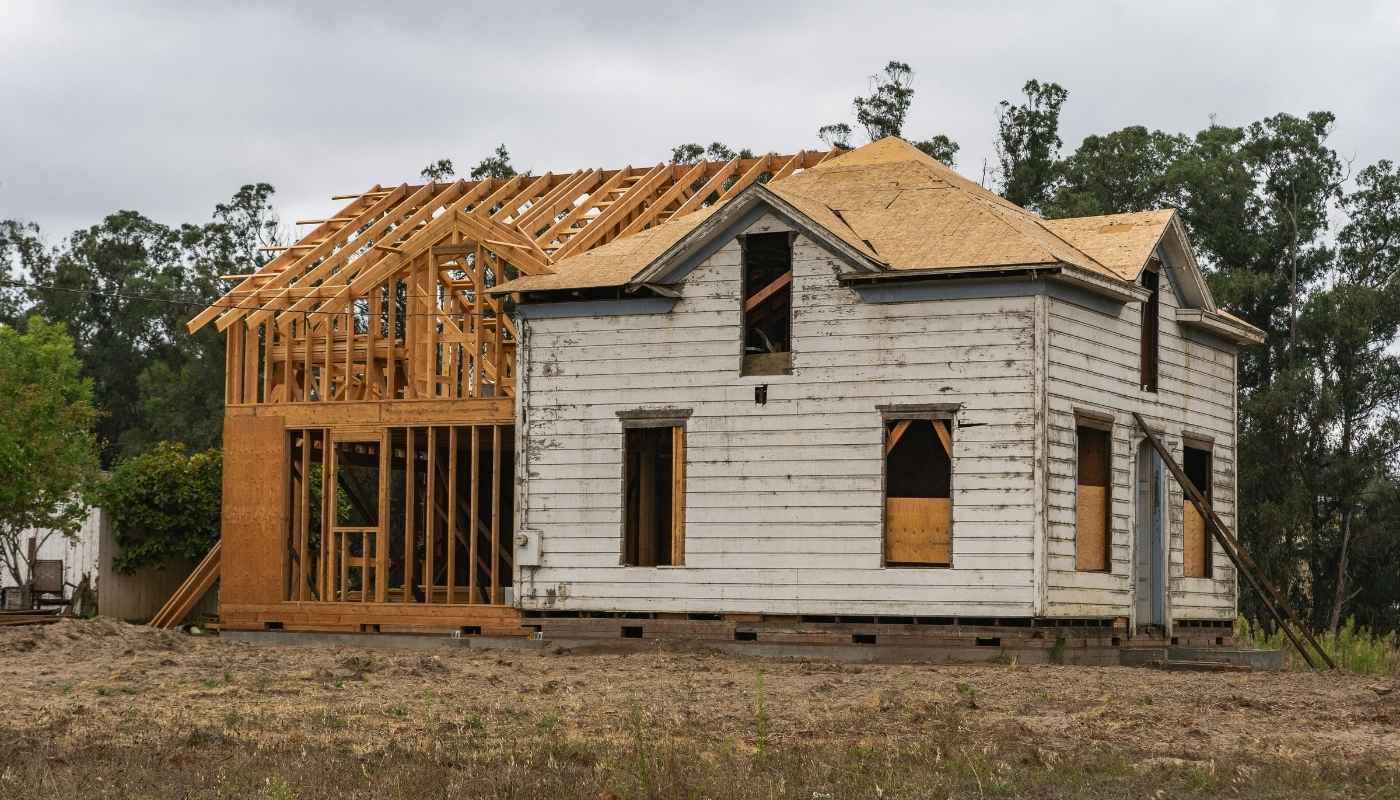
Why sustainable remodeling matters in Folsom
Folsom’s position in the Sierra Nevada foothills and its warm, dry summers and cool winters means homeowners can gain outsized benefits from energy and water efficiency, shading and ventilation strategies, and drought-resilient landscaping. Sustainable remodels reduce operating costs (energy and water), improve indoor air quality, and increase resale value in a market that values modern comfort and lower utility bills. For older homes in Historic Folsom, careful, code-compliant retrofits can preserve character while upgrading performance.
Benefits at a glance:
-
Lower energy bills through improved insulation, efficient HVAC and lighting, and rooftop solar.
-
Reduced water use via low-flow fixtures, smart irrigation, and drought-tolerant landscapes.
-
Health improvements with low-VOC materials and better ventilation.
-
Increased property value and appeal to eco-conscious buyers.
-
Resilience during heat waves, power outages (with battery storage), and droughts.
Understanding local constraints & advantages
Before you start swinging hammers, learn local rules and site realities.
Historic district considerations. If you live in Folsom’s Historic District, the city has design guidelines and standards for exterior changes — colors, rooflines, and materials — intended to preserve character. Many sustainable upgrades (like insulation, windows, or PV on non-visible roof planes) are compatible; others (visible modern facades) may need design review. Check the City of Folsom’s Historic District resources and design guidelines early in the process.
Climate & site. Folsom has hot, dry summers and cool, sometimes rainy winters. Passive strategies that work well here include shading, exterior solar control, daylighting with controlled glazing, night-flush cooling when temperatures drop, and efficient heat pumps for both heating and cooling.
Neighborhood fabric. Homes range from historic downtown cottages to modern suburban houses. Older homes often benefit most from insulation and envelope work; newer homes often deliver savings by swapping systems (HVAC, water heating) for high-efficiency alternatives. Real-estate listings show a diverse housing stock — know your home type to prioritize interventions.
How to plan a sustainable remodel: a step-by-step roadmap
A successful sustainable remodel starts with an audit and ends with commissioning and homeowner education.
Step 1 — Home performance audit
-
Hire a certified energy auditor or a Home Performance with ENERGY STAR contractor to perform blower-door testing, thermal imaging, and a comprehensive energy/water audit. This identifies where heat and air leak, insulation gaps, duct leaks, and water waste occur.
-
Collect utility bills (12 months) to model savings and payback.
Step 2 — Set clear goals & budget
-
Prioritize: comfort, reduced utility bills, resilience (backup power), health (air quality), or resale value. Your priorities shape choices.
-
Allocate budget to the “big three” for greatest impact: air sealing + insulation, efficient heating/cooling + hot water, and high-performance windows/doors.
Step 3 — Phasing
-
You don’t have to do everything at once. Common phasing:
-
Air sealing & insulation
-
HVAC & hot water system upgrade
-
Windows & shading
-
Solar + battery
-
Kitchen/bath upgrades with low-VOC materials and water efficiency
-
Landscaping (xeriscaping, rain capture)
-
-
Phasing spreads cost and allows you to capture incentives as they become available.
Step 4 — Design, permitting, and contractor selection
-
Work with designers/architects familiar with sustainable and local code requirements, especially in historic areas.
-
Get multiple bids, check references and licensing, and ask for itemized proposals describing materials, R-values, equipment efficiencies (SEER/HSPF, AFUE, COP), expected savings, and timelines.
-
Confirm required permits and possible design review in Folsom’s planning department if your work affects exterior appearance or structural components.
Step 5 — Construction, measurement, and commissioning
-
During construction, test (blower door, duct leakage, insulation inspection).
-
Commission new systems (set thermostats, confirm proper refrigerant charge on heat pumps, verify solar output).
-
Keep manuals and maintenance schedules for future owners.
Building envelope strategies (high impact, cost-effective)
Start with the envelope — it reduces loads on every system inside.
Air sealing. Gaps around windows, doors, plumbing penetrations, and electrical can be fixed with caulk, fire-rated foam, and gaskets. Use a blower-door test to quantify leaks and validate results after work.
Insulation upgrades. Increase attic insulation to recommended R-values for California (attic levels commonly R-38 to R-60 depending on space) and add wall or floor insulation where possible. Options:
-
Blown fiberglass or cellulose for attics.
-
Dense-packed cellulose for existing walls.
-
Spray-foam selectively for rim joists and difficult cavities (weigh VOCs/embodied carbon vs. performance).
Windows & doors. High-performance, double or triple-pane windows with low-E coatings improve comfort and lower HVAC loads. In Folsom, south windows benefit from solar control coatings and external shading; operable windows for cross ventilation pay dividends in spring/fall.
Cool roofs & attics. Light-colored roofing or reflective coatings reduce solar gain. Pair with ridge vents and insulated attic floor for maximum effect.
Thermal breaks and continuous insulation. For remodels where you re-skin walls, continuous exterior insulation dramatically reduces thermal bridging and improves whole-wall R-value.
Efficient HVAC & water heating options
Systems are the engines that deliver comfort — make them efficient and right-sized.
Heat pumps (HVAC). Modern variable-speed heat pumps provide efficient heating and cooling and are far more efficient than older electric resistance or legacy gas furnaces, especially when paired with good envelope upgrades. Ductless mini-split heat pumps are great for targeted retrofits; ducted heat pumps work well for whole-house systems if ducts are sealed and insulated.
Right-sizing & controls. Oversized equipment short cycles and wastes energy. Have a qualified contractor perform Manual J, S and D calculations and install smart thermostats with scheduling and zoning to avoid overheating or overcooling unused areas.
Heat pump water heaters. These use ambient heat to deliver hot water efficiently. They can be installed in conditioned or unconditioned spaces depending on model. Consider point-of-use or demand-side mitigation (insulated tanks, short plumbing runs) to reduce energy and water waste.
Hybrid systems & backup. For resilience, consider a hybrid approach: heat pump as primary and a small gas backup (if you choose to keep gas) or electric resistance backup tied to a smart controller.
Ductwork. If you have ducts, seal and insulate them (mastic + tape) and locate ducts inside conditioned space where possible. Duct losses can be a major source of wasted energy in older homes.
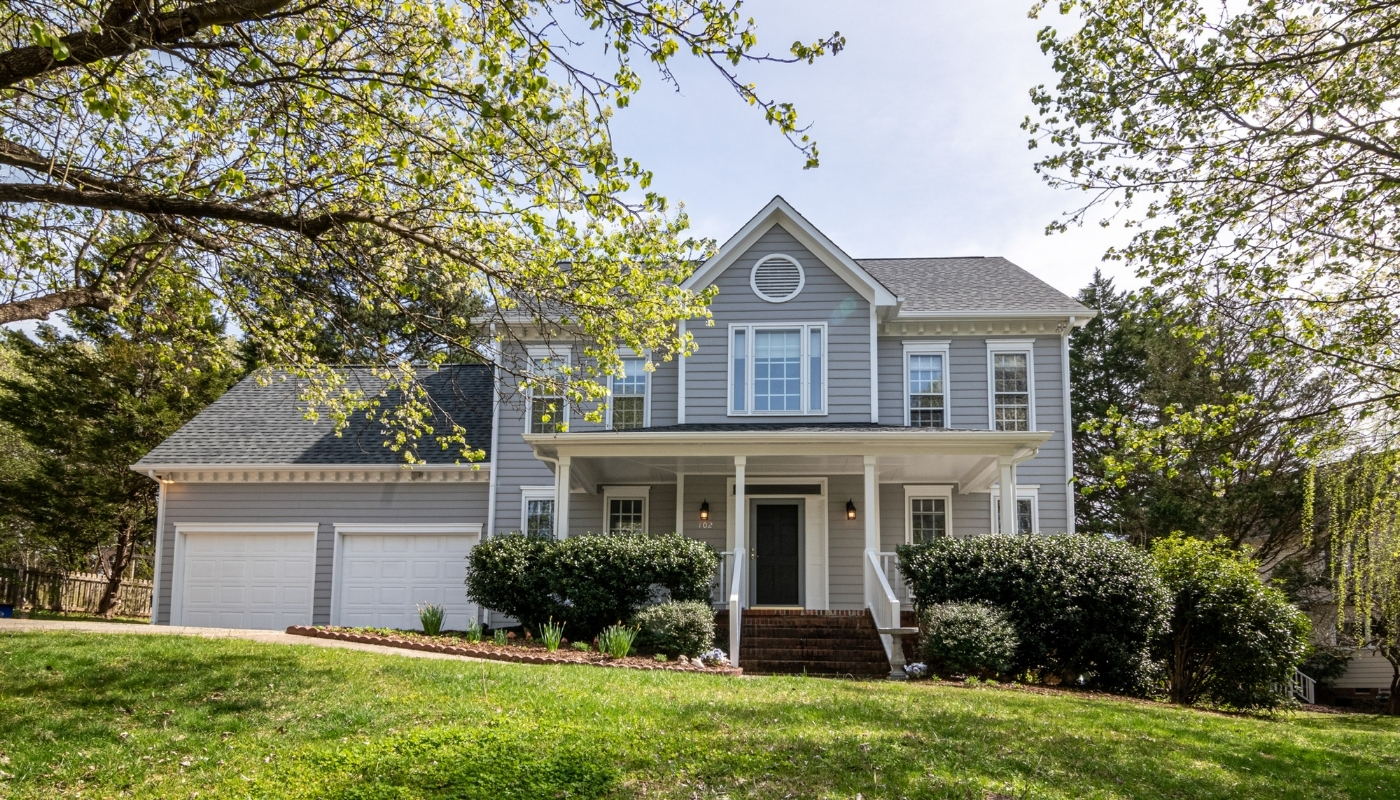
Renewables & resilience: solar, storage, and microgrids
Solar PV is a natural fit in sunny Folsom. Pair it with battery storage to ride through outages and shift self-consumption.
Rooftop solar. Evaluate roof orientation, shading, and structural capacity. Solar sizing should consider your goals: maximize self-consumption, offset bills, or provide resilience.
Battery storage. A battery enables backup during outages and increases the value of solar by allowing dispatch when rates or needs dictate. Consider your critical load panel (fridge, HVAC, medical equipment).
EV charging. If you own or plan to own an electric vehicle, plan conduit and panel capacity now to avoid costly retrofits later.
Net metering & incentives. Check current state and utility programs for net metering rules, performance-based incentives, and local rebates. (Contact utilities and the City’s planning office for up-to-date details.)
Water efficiency & landscape design for drought resilience
Water is precious in California. Remodeling is an opportunity to shrink your water footprint.
Indoor measures
-
Install low-flow faucets, showerheads (2.0 gpm or less), and dual-flush or high-efficiency toilets.
-
Fix leaks promptly and insulate hot water lines to reduce wait time and waste.
Outdoor measures
-
Replace thirsty turf with drought-tolerant native plants, mulch, and drip irrigation.
-
Use smart irrigation controllers (weather-based), and separate zones for shrubs, trees and drip lines.
-
Consider rain barrels or cisterns for irrigation capture where feasible.
-
Permeable paving reduces runoff and recharges groundwater.
Greywater systems & rainwater capture
-
For significant water reuse, graywater systems that route washing machine or shower water to landscape can reduce potable water use. Check Folsom and Sacramento County regulations before installation; permits and design requirements apply.
Healthy materials & indoor air quality
A sustainable home should be healthy as well as efficient.
Low-VOC finishes. Choose paints, adhesives, sealants and cabinetry with low volatile organic compound ratings. Look for GREENGUARD Gold, Green Seal, or other third-party verification.
Formaldehyde & composite wood. Choose CARB-compliant or no-added-formaldehyde engineered wood products.
Moisture management. Proper flashing, gutters, and ventilation prevent mold. In bathrooms and kitchens, install high-quality exhaust fans vented to the exterior.
Ventilation & filtration. Mechanical ventilation (ERV/HRV) ensures fresh air without sacrificing efficiency. High-MERV filters in HVAC systems and local HEPA filtration in bedrooms improve air quality during wildfire season or high-ozone days.
Materials selection & embodied carbon
Sustainability includes the hidden footprint of building materials.
Reuse & salvage. Reclaimed wood, reused cabinets, and salvaged fixtures lower embodied carbon and add character.
Low-carbon materials. Favor locally sourced materials to reduce transport impact. Consider engineered wood certified by the Forest Stewardship Council (FSC), recycled content materials, and low-carbon concrete alternatives where possible.
Lifecycle thinking. Choose durable materials that last longer and require less frequent replacement. A textured concrete countertop that lasts decades may have a smaller lifetime footprint than a lower-quality material needing replacement every decade.
Kitchens & baths — high impact remodels
Kitchens and bathrooms are frequent remodeling targets — they’re also excellent places to apply sustainable upgrades that deliver both energy and water savings.
Appliances. Choose ENERGY STAR appliances; for ranges, induction cooktops are efficient and provide excellent indoor air quality compared to gas (which emits NOx).
Fixtures. Low-flow faucets and toilets save water without sacrificing performance. Consider on-demand hot water recirculation pumps to reduce wasted water.
Cabinetry & finishes. Select low-VOC finishes, FSC certified wood, or reclaimed materials. Durable surfaces reduce replacement frequency.
Lighting. Use LED fixtures with dimmers and daylight sensors to reduce lighting loads.
Financing & incentives
Upfront cost is often the main barrier. Fortunately, multiple financing and incentive options exist (and change over time), including federal, state, utility, and local rebates.
Typical financing options
-
Property Assessed Clean Energy (PACE) programs (availability varies by locality).
-
Energy-efficiency loans from community banks or green loan products.
-
On-bill financing or utility-partnered programs.
-
Federal tax credits for certain electrification and efficiency measures (confirm current rules).
Rebates & programs
-
Utilities often offer rebates for heat pumps, insulation, smart thermostats, and solar. Contact your utility or check the statewide databases for current offerings.
-
Local jurisdictions sometimes offer targeted incentives; consult the City of Folsom planning/building or sustainability pages for local programs and permitting guidance.
Working with contractors & designers
Pick professionals who understand whole-house performance.
Credentials to look for
-
Building performance contractors (e.g., BPI certified).
-
Contractors with Home Performance with ENERGY STAR experience.
-
Licensed general contractors registered in California (verify CSLB license).
-
Designers/architects skilled in passive and resilient design and with local permitting experience in Folsom’s historic and modern neighborhoods.
Questions to ask
-
Can you provide before/after blower door tests?
-
Do you perform Manual J/S/D calculations?
-
What warranties and maintenance support do you offer?
-
Can you provide references and examples of similar sustainable remodels?
Contracts and scope
-
Use a detailed contract that specifies materials, equipment models, efficiencies, installation practices, warranty terms, permits, and inspection milestones.
Case studies & sample project scenarios (scoped for Folsom homes)
Below are three sample remodeling scenarios — small, medium, and comprehensive — to illustrate costs, expected benefits, and decision points. (Numbers are illustrative; obtain quotes for your home.)
A. Small remodel — “Comfort Boost” for a historic bungalow
-
Scope: Attic insulation increase, air sealing, weatherstripping, programmable thermostat, LED retrofit.
-
Why: Low disruption, immediate comfort & bill savings.
-
Typical benefits: 10–25% reduction in heating/cooling bills; improved comfort.
-
Permits: Minimal; confirm with Folsom’s planning if attic access changes affect historic envelope.
B. Medium remodel — “Efficiency & Hot Water” for a suburban ranch
-
Scope: Duct sealing, replace 15-year furnace with ducted heat pump, heat pump water heater, smart thermostat, PV-ready electrical upgrade.
-
Why: Cut fossil fuel use, improve cooling efficiency, prepare for solar.
-
Typical benefits: 30–50% reduction in HVAC and water heating energy use; better comfort, eligibility for rebates.
C. Comprehensive remodel — “Net-Zero Ready” for larger home
-
Scope: Continuous exterior insulation, new high-performance windows, full HVAC heat pump system with zoning, rooftop solar + battery, EV charger, xeriscaping with rain capture, ERV ventilation.
-
Why: Maximize energy independence and lower operating costs, significant resilience benefits.
-
Typical benefits: Approaching net-zero energy; major lifecycle savings; higher resale value.
Maintenance & homeowner practices
A remodel’s long-term success depends on proper maintenance and operation.
Simple homeowner best practices
-
Set thermostats sensibly (use setback times) and avoid constant full heating/cooling.
-
Clean and replace HVAC filters per manufacturer guidance.
-
Keep shade devices (awnings, blinds) in good condition to control solar gain.
-
Maintain gutters, flashing, and landscaping to protect building envelope.
-
Review solar array performance and battery health annually.
Seasonal checks
-
Pre-summer: service HVAC and clean/inspect attic vents.
-
Pre-winter: check seals, insulate exposed pipes, and ensure battery backup is ready.
Design aesthetics & preserving Folsom character
Sustainable remodels shouldn’t sacrifice charm. In Folsom’s historic neighborhoods, prioritize invisible upgrades (insulation, air sealing, interior ventilation, modern mechanicals) that increase performance while retaining original features. When replacing visible elements, match historical profiles, materials, and colors per local design guidelines. For modern homes, sustainable features can be celebrated architecturally — sleek solar arrays, natural materials, and integrated shading devices can be part of a beautiful, contemporary palette.
Measuring success: performance metrics you should track
To know if your remodel worked, measure and track:
-
Energy usage (monthly kWh and therms) — compare pre/post remodeling normalized to weather.
-
Water usage (monthly gallons) — to confirm irrigation and indoor savings.
-
Indoor temperature stability and drafts (simple sensors).
-
HVAC runtime and cycles (from smart thermostat).
-
Solar production and battery cycles.
Collect these for at least a year to see seasonal impacts. Many homeowners use energy dashboards provided by solar inverters, or smart home systems, plus utility portal data.
Common pitfalls & how to avoid them
Pitfall: Doing systems before envelope work.
Fix: Prioritize sealing and insulation first so systems are sized correctly.
Pitfall: Oversized HVAC.
Fix: Demand proper load calculations (Manual J) after envelope upgrades.
Pitfall: Ignoring moisture & ventilation when tightening a home.
Fix: Include mechanical ventilation (ERV/HRV) to maintain air quality.
Pitfall: Poor contractor selection.
Fix: Vet credentials, ask for blower door results, and get multiple detailed bids.
Local next steps — resources and contacts
-
Visit Folsom’s planning and historic district pages for design guidance and permit checklists before altering exterior or structural elements.
-
Browse local listings and home types to understand comparable remodels in your neighborhood.
-
Contact energy auditors or PACE/utility programs to learn about current incentives and financing options. (Program details change; verify current offerings.)
Conclusion — a practical invitation
Remodeling for sustainability in Folsom is both sensible and achievable. Start with an audit, prioritize envelope and systems, and phase in renewables and landscaping. Whether preserving a historic bungalow’s character or upgrading a modern family home, the right mix of measures yields improved comfort, lower bills, and a smaller environmental footprint — all while enhancing property value. If you’d like, I can help you:
-
Draft an audit checklist tailored to your Folsom home type.
-
Create a phased renovation budget with estimated paybacks.
-
Write an RFP template to send to local contractors.
-
Summarize available rebates & financing options (I can pull current programs if you want me to look them up).