
Introduction
Why sustainable remodeling matters in Folsom
How to plan a sustainable remodel
Site & climate considerations for Folsom
Building envelope — the single most important lever
Efficient HVAC & water-heating options
Renewables & resilience
Water efficiency & drought-resilient landscaping
Low-embodied-carbon and healthy materials
Landscaping, shade, and microclimate strategies
Incentives, rebates and permitting
Finding contractors and professionals in the Folsom area
Case studies and example packages
Cost, financing, and payback considerations
Measuring success — verification & documentation
Common pitfalls to avoid
Practical 12-point checklist
Quick reference links
Sustainable Home Remodeling Solutions — Folsom, CA
Overview (what you’ll get): a practical, place-aware guide to planning and executing a sustainable home remodel in Folsom, California. This covers why sustainability matters locally, how to scope projects, prioritized technical upgrades (building envelope, HVAC, water, renewables), low-embodied-carbon material choices, landscaping for drought resilience, incentives and permitting, contractor selection, costs and return on investment, and a clear checklist you can use when you brief designers or contractors.
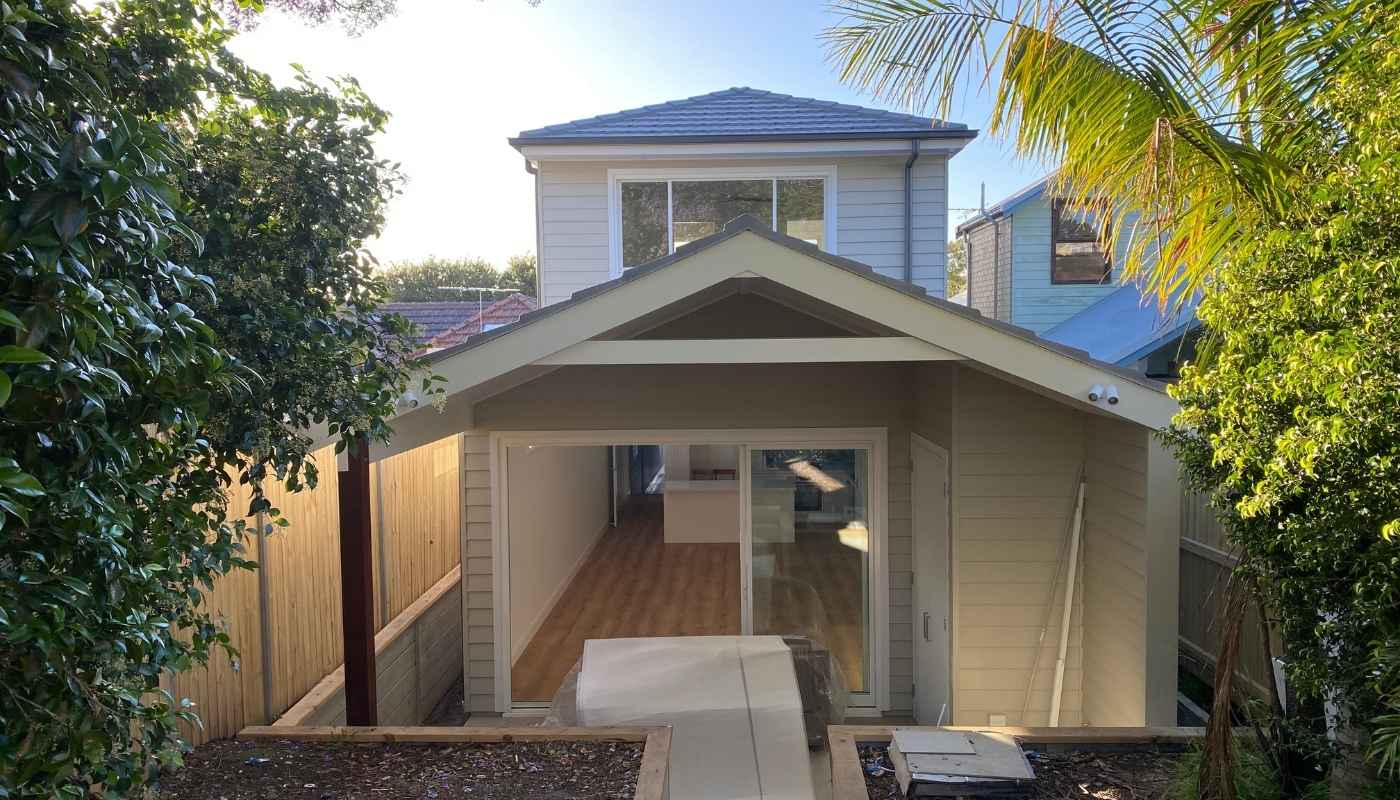
Why sustainable remodeling matters in Folsom
Folsom’s climate, regional energy programs, and community values make sustainable remodeling an especially good investment. The city sits in the Sacramento region with hot summers and mild winters; the local built environment benefits from measures that reduce cooling loads, improve indoor comfort, and lower utility costs. Public and private actors in the region are active around energy-efficiency, green building and LEED projects — good context when planning upgrades that must meet local codes and deliver measurable performance improvements. flc.losrios.edu+1
Environmental benefits are obvious: lower greenhouse-gas emissions, reduced water demand, and less waste to landfill when materials are reused or recycled. For homeowners, the immediate payoffs are improved comfort, lower operating costs, increased resilience during extreme-weather or grid events, and higher market value for better-performing homes.
How to plan a sustainable remodel (process & governance)
A successful remodel begins with process discipline. Adopt these five phases:
-
Audit & objective setting — energy audit (utility bill analysis + blower door/thermographic inspection), water audit, indoor-air quality baseline, and a durability/waste review. Define measurable objectives: e.g., reduce annual energy by 40%, eliminate natural-gas water heating, cut potable water irrigation by 60%, or reach net-zero energy for a specific part of the house.
-
Concept & budget — prioritize measures that are simplest, highest ROI, or enable later upgrades (for instance, increase attic insulation and install PV-ready conduit before roof replacement). Produce a staged plan tied to budgets and expected payback.
-
Design & technical specification — working drawings, materials spec (low-VOC, recycled content), and systems performance targets (e.g., heat-pump COP, window U-value, whole-house ventilation strategy).
-
Permitting & incentives — submit to city/county and coordinate with utility programs (SMUD in the Sacramento region offers rebates and energy-saving programs). Confirm permit requirements for plumbing, electrical, and structural work. smud.org+1
-
Construction & verification — use a contractor experienced in green retrofit, verify performance with post-works testing (blower door, duct blaster, HVAC commissioning), and document results for rebates or future buyers.
Tip: treat the remodel as a systems project. Envelope improvements (insulation, windows, air sealing) and HVAC/water-heating upgrades interact; doing one without the other often reduces the total achievable energy savings.
Site & climate considerations for Folsom
Folsom’s inland Mediterranean climate means strong summer cooling demand and occasional cold snaps. Key site considerations:
-
Solar orientation — maximize shading for west and east facades; use fixed overhangs or adjustable shading for south-facing glazing depending on roof pitch and window placement.
-
Ventilation strategy — in hot months, night-flush ventilation can reduce day-time cooling load if humidity and outside temperatures permit.
-
Wildfire risk & ember protection — in hillier and lake-adjacent neighborhoods, choose ember-resistant vents, non-combustible cladding within defensible space rules, and maintain vegetation clearances where code or insurance require.
These site factors determine the most cost-effective package of envelope, shading, and mechanical measures.
Building envelope — the single most important lever
Upgrading the building envelope often yields the largest, most persistent returns.
4.1 Insulation & air sealing
-
Prioritize attic and roof insulation (blown cellulose or dense-pack fiberglass in older attics) and continuous insulation on exterior walls where possible.
-
Air sealing: seal attic penetrations, rim joists, and common leakage paths; use blower-door testing before and after to measure improvements.
-
Typical targets: for significant improvement aim to cut whole-house infiltration by at least 30–50% relative to pre-retrofit levels.
4.2 Windows & doors
-
Replace single-pane windows with double- or triple-glazed units with low-e coatings and thermally broken frames.
-
Where window replacement is not economical, add storm windows or use insulating shades.
-
Confirm U-values and SHGC (solar heat gain coefficient) suitable for hot summers and cold nights: moderate SHGC on east/west, and lower SHGC on west exposures.
4.3 Roof and attic strategies
-
Consider reflective/“cool” roof materials if re-roofing, and ensure adequate attic ventilation balanced with insulation to avoid condensation problems.
-
If roof replacement is planned, install PV-ready flashing and conduit for simpler future solar installs.
Envelope measures directly reduce HVAC sizing requirements, which lowers equipment cost and energy consumption.
Efficient HVAC & water-heating options
Folsom homeowners see strong value switching to high-efficiency electric equipment and heat-pump technology.
5.1 Heat pumps (air-source & ductless)
-
Modern heat-pump furnaces and mini-split ductless systems provide efficient heating and cooling and reduce or eliminate the need for natural-gas furnaces.
-
SMUD and local programs frequently offer rebates for qualifying heat-pump installations and for equipment that meets performance thresholds. For homeowners replacing aging systems, heat pumps are often the primary route to deep site-energy reductions. smud.org
5.2 Heat-pump water heaters & electric hot water
-
Heat-pump water heaters deliver several times the efficiency of conventional electric resistive heaters and typically beat gas water heaters on lifecycle emissions when grid electricity is relatively clean. Consider point-of-use units for distant bathrooms to reduce distribution losses.
5.3 Ventilation & IAQ
-
Replace or retrofit existing ventilation with energy-recovery ventilators (ERVs) or heat-recovery ventilators (HRVs) to provide controlled fresh air without heavy energy penalties. Specify MERV-13+ filtration where wildfire smoke is a seasonal risk.
Commissioning: always include system commissioning and an HVAC balance test; that ensures ductwork is sealed, refrigerant charge is correct, and controls (thermostats, zoning) are implemented to achieve designed performance.
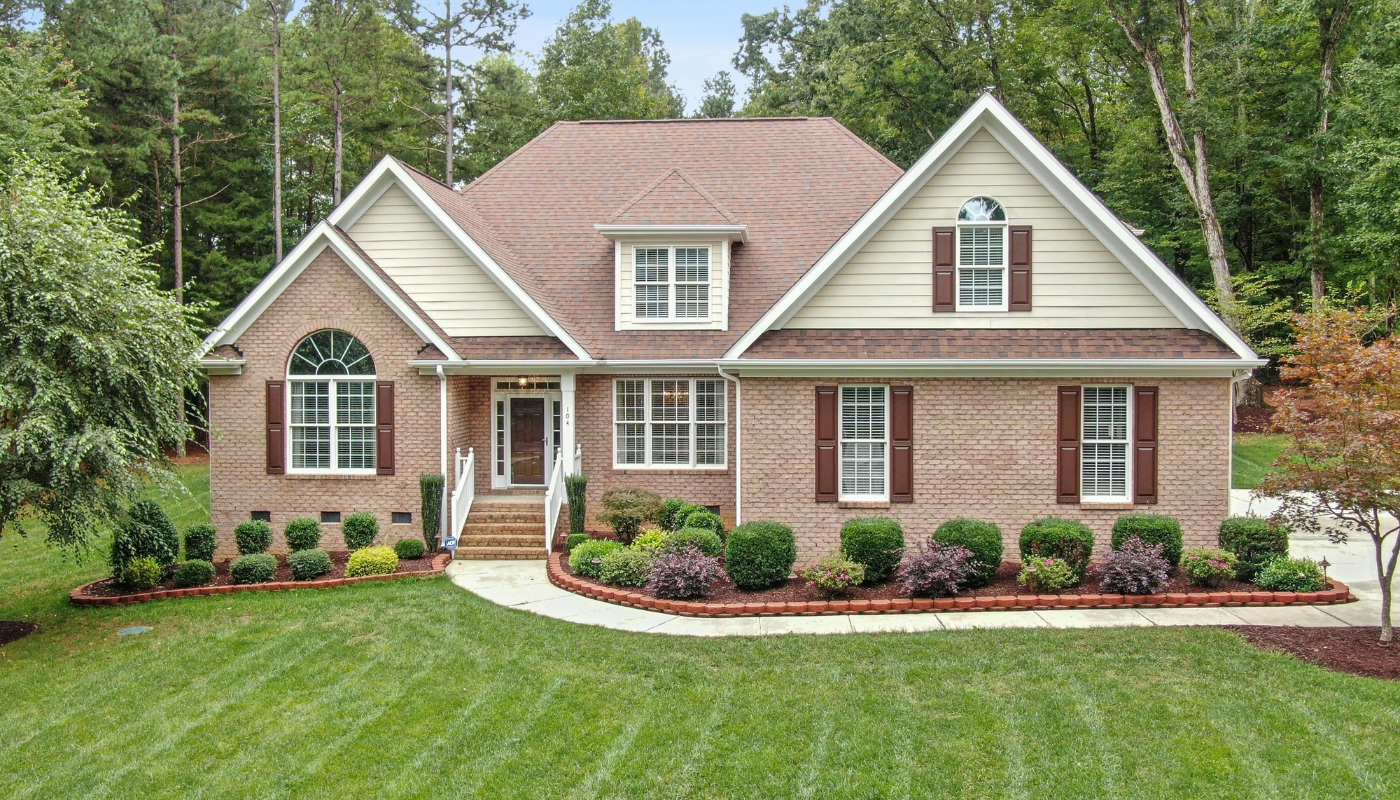
Renewables & resilience: solar, storage, and grid interactions
Solar PV and battery storage are frequently part of a sustainable package in Folsom. Considerations:
-
PV sizing — size arrays to offset a large share of annual electric use. If the home moves off gas (heat pumps, electric water heating), total electric load increases and PV sizing may need to grow accordingly.
-
Battery storage — provides resilience (backup power) during outages. Batteries also allow better use of on-site PV generation if the homeowner wants to time-shift loads or participate in load-management programs.
-
Incentives & tax credits — federal incentives remain a significant driver. The federal Residential Clean Energy Credit (formerly ITC) covered 30% of solar+storage system costs for qualifying installations in recent years; homeowners should verify current terms and availability before committing. EcoWatch
Utility notes: SMUD’s guidance on solar installation and interconnection is the primary local resource for homeowners in the SMUD service area; while some production-meter stipends have changed, application and interconnection processes remain relevant. Check the utility portal early in you project. smud.org
Water efficiency & drought-resilient landscaping
Water conservation is essential in California. Remodeling should reduce indoor and outdoor potable water demand.
7.1 Indoor plumbing
-
Install low-flow fixtures: EPA WaterSense faucets and toilets reduce potable water without compromising usability.
-
Consider hot-water recirculation systems with timers or demand controls to reduce wasted water while balancing increased energy use.
7.2 Outdoor irrigation and xeriscaping
-
Replace turf with drought-tolerant native plants, drip irrigation, smart controllers with soil-moisture sensors, and separate hydrozones by plant water needs.
-
Consider permeable hardscapes to reduce runoff and increase groundwater recharge where site permits.
7.3 Graywater & rainwater capture
-
Graywater systems (laundry-to-landscape, treated sink water) can reduce irrigation demands significantly; evaluate local code requirements and permitting as California has clear guidelines for greywater use.
-
Rainwater capture in tanks can provide a supplemental irrigation source, especially for landscaped beds
Low-embodied-carbon and healthy materials
A sustainable remodel reduces both operational energy and embodied carbon. Material choices matter.
8.1 Prioritize reuse, reclamation, and durability
-
Reuse existing flooring, cabinets, or structural elements when safe and feasible — reusing materials is usually the lowest-carbon option.
-
Consider reclaimed wood, salvaged fixtures, and second-life materials for design features.
8.2 Low-emission finishes and indoor air quality
-
Choose low-VOC paints, adhesives, and sealants. Specify materials with GREENGUARD or similar certifications when healthy-indoor-air is a priority.
8.3 Certified wood & recycled content
-
For new wood products, prefer Forest Stewardship Council (FSC) certified timber. For countertops and tile, look for manufacturers that disclose recycled content and embodied-carbon data.
Life-cycle thinking: include maintenance and replacement schedules in selection criteria; slightly higher upfront costs for durable materials can lower lifecycle environmental impact and homeowner hassle.
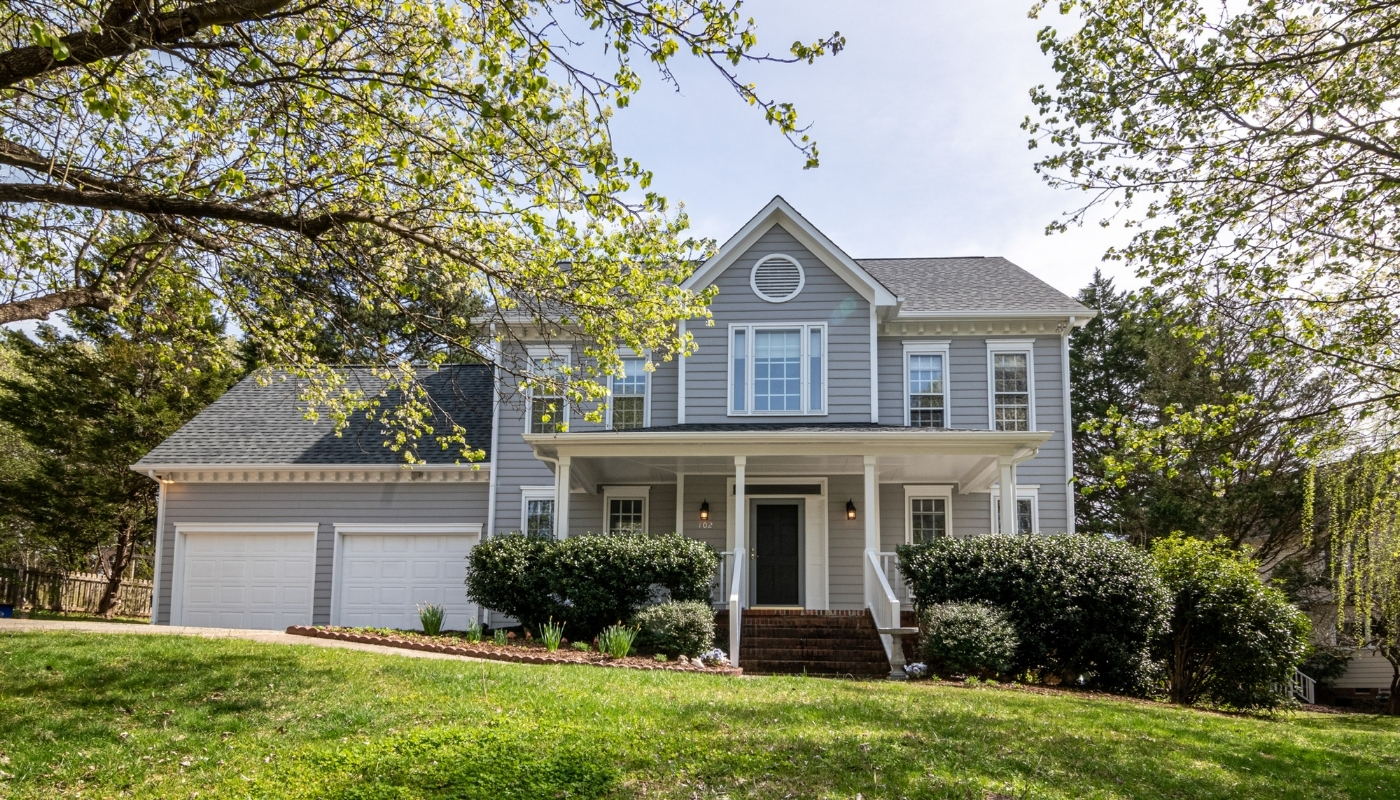
Landscaping, shade, and microclimate strategies
Home microclimate improvements reduce cooling loads and improve comfort.
-
Deciduous trees on south exposures provide summer shade and winter sun. Use species appropriate to local soils and fire-risk zones.
-
Permeable paving & reflective surfaces can limit heat island effects around the home.
-
Green roofs or rooftop gardens are possible for flat roof sections and provide insulation benefits and stormwater retention, though they require structural review and waterproofing details.
Incentives, rebates and permitting (what to check early)
Two incentive classes often change and should be checked early: local/utility rebates and federal/state tax credits.
-
Utility rebates (SMUD): SMUD has rebate programs for heat pumps, smart thermostats, and HVAC upgrades and maintains a solar information portal for interconnection. Always verify current offerings and program rules as availability and incentives change. smud.org+1
-
Federal tax credits: at the time of writing, federal credits covered substantial shares of qualifying solar and energy-equipment costs; check the current Residential Clean Energy Credit schedule before budgeting. EcoWatch
-
Local permitting: check the City of Folsom building and planning department for permit packages, especially for structural changes, water reuse, or rooftop solar with battery storage. Local rules may affect setback, screening, and wildfire-safety requirements.
Documentation: retain receipts and compliance paperwork from contractors, and secure final inspection reports — this is necessary for rebates and for future resale disclosures.
Finding contractors and professionals in the Folsom area
Select contractors who understand green retrofits, demonstrate measurable outcomes, and can coordinate rebates and permits.
-
Look for licensed contractors with local references and documented experience in heat-pump installs, PV + battery systems, and high-performance envelope work. Regional directories and contractor review sites (Yelp, local trade associations) can be starting points; verify licensing and insurance and ask for examples of measured performance (post-retrofit blower-door tests, HERS or equivalent ratings). Yelp+1
Procurement tip: solicit three bids and require each contractor to submit: scope of work, prioritized measures (must/have to/optional), schedule, energy-savings estimates, and performance-verification plan.
Case studies and example packages (practical bundles you can adopt)
Below are example packages by project scale; treat them as templates to discuss with your contractor.
Package A — “Quick wins” (low cost, high ROI)
-
Air sealing, attic insulation, programmable/ smart thermostat, LED lighting retrofit, low-flow plumbing fixtures.
-
Typical payback: 2–6 years depending on existing conditions.
Package B — “Comfort & efficiency” (moderate investment)
-
Envelope improvements (windows or storm windows, wall cavity insulation where feasible), heat-pump HVAC or ductless mini-splits, heat-pump water heater, ERV/HRV for ventilation, PV-ready roof wiring.
-
Energy reduction: 30–60% possible on site energy depending on baseline.
Package C — “Deep retrofit / near-net-zero”
-
Full envelope upgrade (continuous exterior insulation), triple-glazed windows, whole-house heat pump + hot-water heat pump, 6–10 kW PV array + battery storage sized for critical-load resilience, greywater for irrigation, advanced controls and monitoring.
-
Ideal when doing major renovations or whole-house remodel; may qualify for higher tiers of incentives and improves resale value substantially.
Cost, financing, and payback considerations
Costs vary considerably by house size, condition, and upgrade depth. Representative guidance:
-
Low-cost measures (LEDs, smart thermostats, low-flow fixtures, basic air sealing): typically a few hundred to a few thousand dollars.
-
Envelope and HVAC upgrades (insulation, windows, mini-split systems): can range from a few thousand to tens of thousands depending on extent.
-
Solar + battery systems: multi-thousand to tens-of-thousands—net costs after federal incentives can be dramatically lower; local rebates may further improve economics. EcoWatch+1
Financing options: consider green mortgage programs, PACE (Property Assessed Clean Energy) where available, or contractor/utility financing. Evaluate whether financing costs erase projected energy savings; compare net present value with alternatives.
ROI: measure both hard financial returns (utility bill savings, EV charging synergies) and softer returns (increased comfort, resilience, and resale value). For major interventions, request modeled energy savings from the contractor or an independent rater.
Measuring success — verification & documentation
Documenting performance is essential:
-
Pre- and post-retrofit blower-door tests (air infiltration).
-
Post-installation HVAC commissioning report and refrigerant-charge verification.
-
Solar production monitoring (in kWh) and battery performance logs.
-
Water-use metering if greywater or irrigation upgrades are installed.
This documentation supports warranty claims, rebate applications, and future resale disclosures.
Common pitfalls to avoid
-
Doing mechanical upgrades without improving the envelope — oversized cooling runs, short cycling, and poor comfort.
-
Neglecting ventilation/IAQ — sealing a home tightly without adding controlled ventilation risks poor air quality, especially with new materials/paints.
-
Skipping commissioning — systems that are not balanced or properly charged will underperform.
-
Assuming incentives are constant — rebate and tax credit programs change; confirm current program status before final budgeting. smud.org+1
Practical 12-point checklist (use when briefing a contractor)
-
Perform a professional energy audit and blower-door test.
-
Define clear targets (e.g., % energy reduction, gas elimination, resilience hours).
-
Prioritize envelope first: attic + air sealing, then wall improvements.
-
Select HVAC equipment sized to the improved envelope; prefer heat pumps.
-
Specify heat-pump water heating or other efficient hot-water strategies.
-
Plan PV conduit and structural attachment during any roof work.
-
Choose low-VOC finishes and specify reclaimed/recycled materials where feasible.
-
Design irrigation with zone controls and soil-moisture sensors; eliminate non-functional turf.
-
Confirm utility rebate and federal tax credit eligibility and assign documentation responsibilities.
-
Require contractor to include commissioning, HERS or equivalent testing, and warranty paperwork.
-
Include provisions for post-occupancy monitoring to verify savings.
-
Obtain all permits and final inspections; keep a folder of all documentation for resale.
Appendix — Quick reference links (starting points)
-
Local sustainable remodeling page and checklists for Folsom homeowners. Remodel California
-
SMUD: solar info and residential rebates (heat-pump rebates and thermostat incentives). smud.org+1
-
Federal residential clean energy tax credits (verify current status and timelines). EcoWatch
-
Examples of local green building/LEED projects in the Folsom area (useful context on local institutional commitment). flc.losrios.edu