
Introduction
Why focus on sustainable remodeling in Auburn?
Big-picture approach
Planning and assessment
Building envelope
HVAC, ventilation, and indoor air quality
Renewable energy, storage, and readiness
Water efficiency and stormwater management
Materials, embodied carbon, and waste reduction
Fire resilience and defensible space
Kitchens & bathrooms
Passive strategies
Smart home tech and monitoring
Economics: budgeting, paybacks, and incentives
Permitting, codes, and local resources
Step-by-step remodel roadmap
Practical examples & mini case studies
Operation & maintenance
Common trade-offs and decision heuristics
Decision checklist before signing contracts
Conclusion
Rsources
Sustainable Home Remodeling Solutions — Auburn, CA
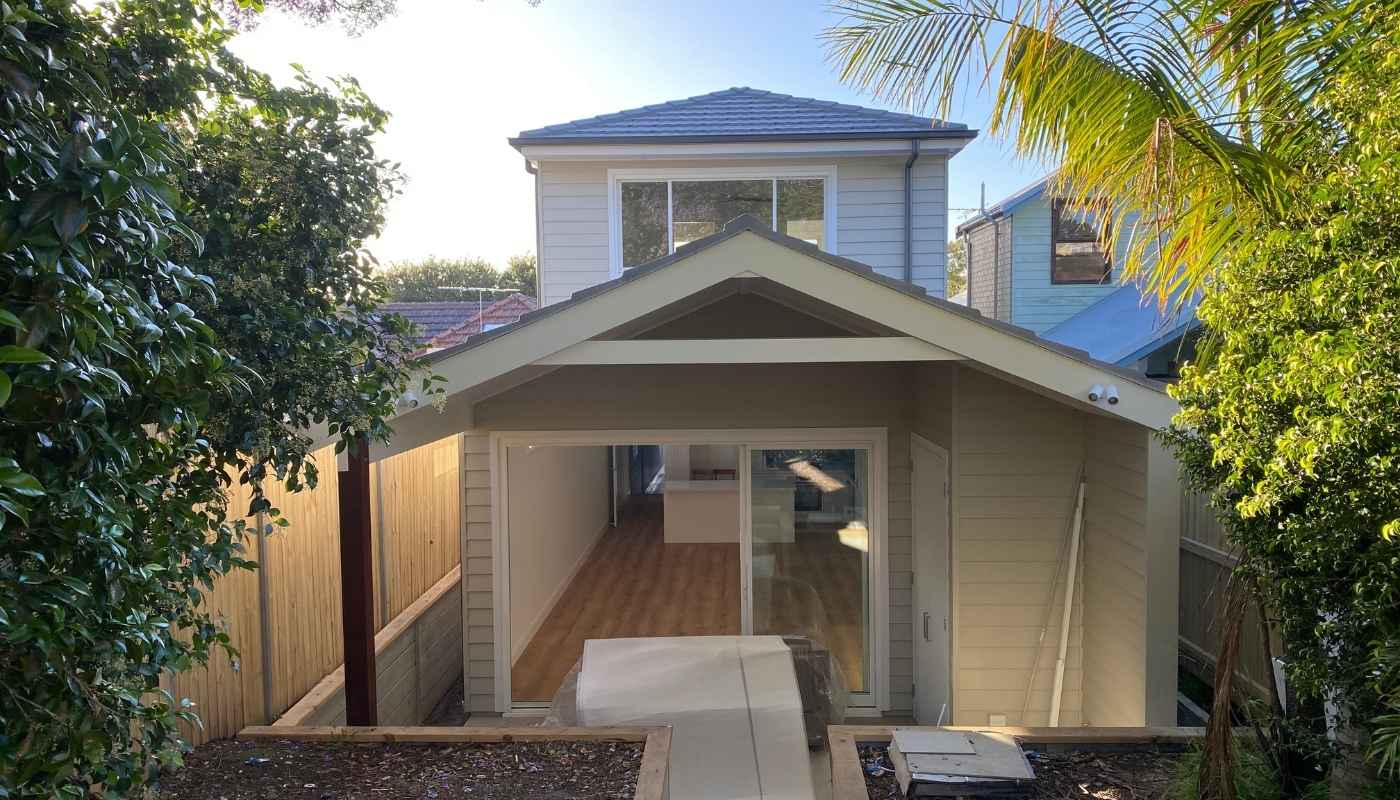
This long-form guide covers practical, place-aware, and achievable strategies to remodel a home in Auburn, California with sustainability, resilience, comfort, and long-term value in mind. It walks you from vision and planning through materials, systems, landscaping, permitting, and operations — with actionable recommendations, trade-offs, and checklists you can use whether you’re doing a small retrofit or a full remodel.
Why focus on sustainable remodeling in Auburn?
Auburn sits in the Sierra Nevada foothills in Placer County. The area combines warm, dry summers and cool, wet winters (Mediterranean climate), proximity to forests and wildland-urban interface, and a culture that values outdoor living. That mix creates a few defining priorities for sustainable remodeling here:
-
High summer cooling loads — prioritizing shading, ventilation, and efficient cooling.
-
Seasonal rainfall and drought sensitivity — water conservation and storage matter.
-
Wildfire risk and ember exposure — hardening the home, defensible landscaping, and ember-resistant materials are essential.
-
Daylight and passive solar opportunities — orientations and glazing choices can reduce energy use.
-
Local codes and permitting (Placer County / City of Auburn) — remodels must meet local building codes; energy efficiency, wildfire hardening and resilience are often encouraged.
A sustainable remodel in Auburn must balance energy and water efficiency, indoor comfort and air quality, low-impact materials, and resilience to wildfire and climate variability.
Big-picture approach: goals, scope, and metrics
Before hammering a single nail, set measurable goals. Examples:
-
Energy goal: Reduce site energy use by X% (e.g., 40–80% depending on budget and scope); target net-zero ready.
-
Water goal: Reduce potable water use by X% and manage stormwater on-site.
-
Resilience goal: Harden roof, vents, and siding to resist embers; provide backup power for essentials.
-
Indoor environment goal: Achieve low VOC finishes, balanced ventilation, mold control.
-
Materials goal: Use at least Y% (by cost or area) of recycled, salvaged, or low-embodied-carbon materials.
Pick 3–5 clear priorities and use them to make trade-offs. For example, if budget is limited, prioritize air sealing + insulation and efficient HVAC first — they deliver the largest energy savings per dollar.
Planning and assessment: the first actionable steps
-
Whole-house audit: Get a professional energy audit (blower door, thermographic infrared scan, HVAC inspection). Document current insulation levels, window performance, duct leaks, and thermal bridges.
-
Water audit: Measure indoor and outdoor water use; identify leaky fixtures and irrigation inefficiencies.
-
Hazard assessment: Check wildfire risk for your parcel (wildland-urban interface), evaluate defensible space, and roofing/siding vulnerability.
-
Historic / structural review: If your house is older, confirm condition of framing, foundations, and utilities; these affect what retrofit options are viable.
-
Set a remodeling roadmap: Phase work into high-impact steps (air sealing & insulation; HVAC & water fixtures; windows; renewable generation; landscaping/hardening).
Documenting the “before” ensures you can measure performance gains afterward.
Building envelope: insulation, air sealing, and windows
Why it matters: The envelope controls heat flow and ventilation. In Auburn’s hot summers and cool winters, improving the envelope reduces HVAC size and operating cost.
Air sealing
-
Prioritize sealing at attic, rim joists, penetrations for pipes/wires, and around windows & doors.
-
Use a blower-door test to find leakage zones. Seal with high-quality caulk, low-expansion foam (for larger gaps), and gaskets.
-
Air sealing reduces dust, pollen, and energy loss; it must be paired with controlled ventilation to maintain indoor air quality.
Insulation
-
Attic: add insulation to meet or exceed current code R-values for climate zone; consider dense-pack cellulose or fiberglass in cavities; spray foam has high R per inch but is costlier and has higher embodied impacts.
-
Walls: dense-pack cellulose can upgrade performance with minimal disturbance. For deep cavity fill or exterior upgrades, consider continuous exterior insulation (rigid foam or mineral wool) to reduce thermal bridging.
-
Floors over unconditioned spaces: insulate cantilevered floors and rim joists.
-
Pay attention to moisture control — insulation strategies must not trap moisture where it can cause rot. Provide proper flashing and rainscreen details on exterior upgrades.
Windows and shading
-
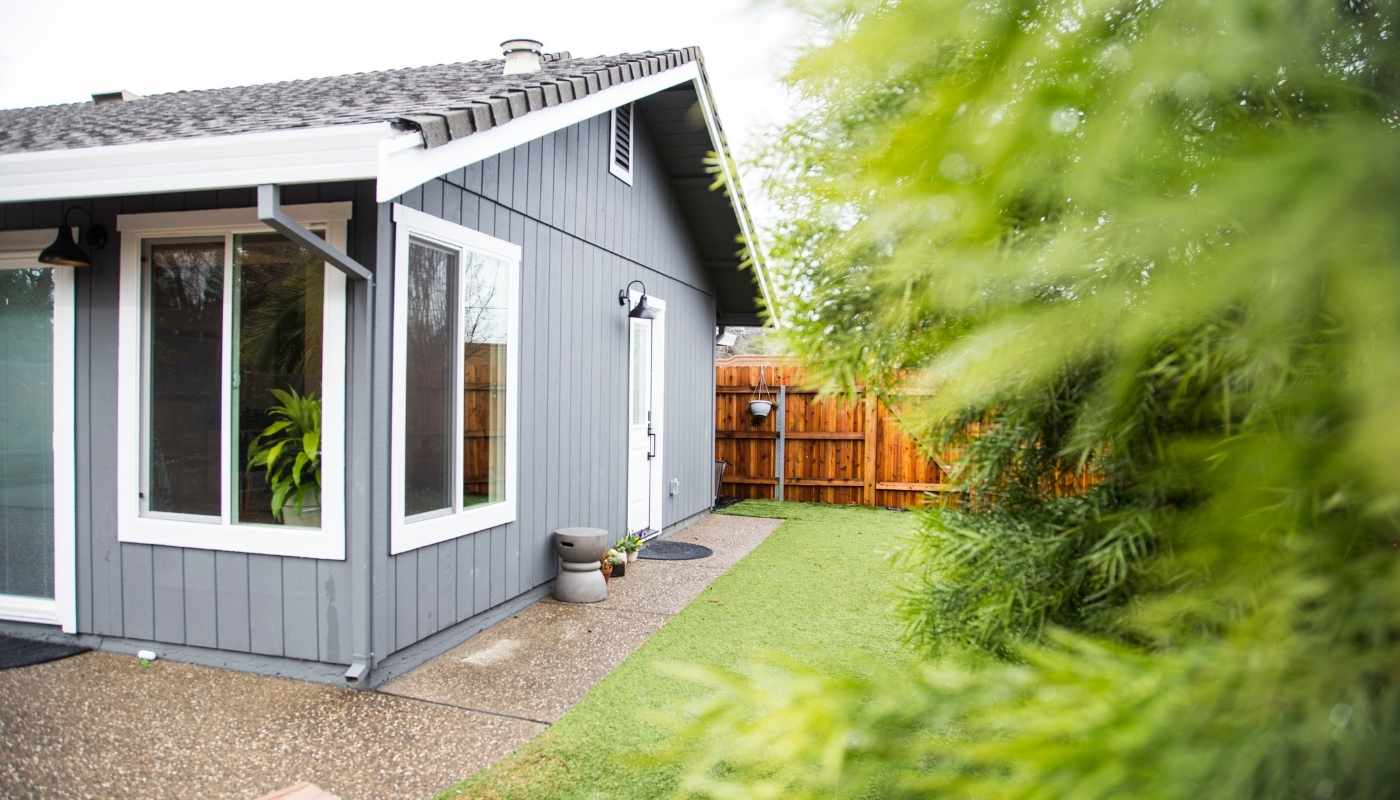
Replace single pane windows with double- or triple-glazed, low-E coated units appropriate for local solar orientation. West-facing glazing creates large heat gains — minimize or shade it.
-
Exterior shading (awnings, porches, deciduous trees) is often more cost-effective than high-performance glazing alone.
-
Operable windows for cross-ventilation can reduce cooling needs on dry evenings and mornings.
HVAC, ventilation, and indoor air quality
High-efficiency heating and cooling
-
Heat pumps (air-source or, where suitable, mini-split ductless units) are the preferred path for electrification; they provide efficient cooling and heating and are a good match for California’s grid-decarbonization goals.
-
If the current system is gas, evaluate replacing aging furnaces with a heat pump when it’s time for a major replacement.
-
Right-size equipment after envelope improvements — smaller, efficient equipment is less expensive to run and install.
Ductwork and controls
-
Seal and insulate ducts in unconditioned spaces. Leaky ducts can lose 20–40% of HVAC output.
-
Use programmable thermostats or smart controls; zoning can improve comfort and reduce energy waste.
Ventilation & IAQ
-
After air sealing, mechanical ventilation is required for healthy indoor air. Install an energy-recovery ventilator (ERV) or heat-recovery ventilator (HRV) to bring in fresh air while reducing energy loss.
-
Use MERV-13 or better filters on central systems if compatible, or ensure standalone air cleaners for allergy or smoke season.
-
Choose low-VOC paints, adhesives, and flooring finishes; maintain humidity between 30–50% to minimize mold.
Renewable energy, storage, and readiness
Solar photovoltaic (PV)
-
Roof-mounted PV is typically the most cost-effective renewable for Auburn households — the sunny climate is favorable.
-
Design the roof and remodel to be solar-friendly: avoid complex rooflines that reduce usable area; plan for structural load and conduit routing.
-
Consider solar ready wiring if you can’t install PV immediately (run conduit from roof to inverter location).
Battery storage
-
A small battery can provide backup power for critical loads (refrigerator, medical devices, communications) during outages — valuable given wildfire-related power interruptions in the region.
-
For whole-house resilience, size batteries carefully and balance cost vs duration of backup needed.
Electric vehicle (EV) readiness
-
Install a dedicated 240V circuit and space for a Level 2 EV charger during garage or driveway upgrades.
Water efficiency and stormwater management
Indoor water savings
-
Replace old fixtures with WaterSense-rated faucets, showerheads, and toilets. Low-flow fixtures save significant water with little comfort loss.
-
Consider heat-pump or on-demand water heaters for efficiency; insulating hot water pipes reduces losses.
Landscape and irrigation
-
Xeriscaping with native or Mediterranean-adapted plants substantially reduces irrigation needs.
-
Use drip irrigation, smart controllers that adjust for weather, and pressure-regulating emitters.
-
Capture rainwater where legal and practical (cisterns, rain barrels) for irrigation and nonpotable uses. Check local regulations and potable/nonpotable plumbing separation requirements.
Stormwater and on-site retention
-
Hard surfaces increase runoff and erosion. Use permeable pavers, bioswales, and rain gardens to slow and infiltrate stormwater and protect nearby creeks.
Materials, embodied carbon, and waste reduction
Low-impact material choices
-
Prioritize reused, reclaimed, or salvaged materials (doors, wood, fixtures) — lower embodied carbon and unique character.
-
Choose rapidly renewable materials like bamboo for flooring where appropriate.
-
Select low-embodied-carbon options: recycled-content steel, responsibly sourced lumber (FSC), and low-carbon concrete alternatives (where structural replacement is required).
-
For siding, roofing, and decking, consider long-lived, fire-resistant materials to reduce lifecycle replacement and waste.
Finishes and indoor health
-
Low-VOC paints, formaldehyde-free cabinetry, and low-emitting flooring adhesives improve indoor air quality.
Construction waste management
-
Require waste diversion on site: recycling, salvage for reuse, and donating fixtures or cabinetry.
-
Plan for deconstruction where possible, not demolition; deconstruction recovers more material for reuse.
Fire resilience and defensible space
Auburn’s proximity to forested areas makes wildfire resilience a major part of sustainability.
Roof and vents
-
Use non-combustible or Class A fire-rated roofing materials (metal, tile, Class A asphalt shingles).
-
Install ember-resistant vents with metal mesh to prevent embers from entering attic and crawl spaces.
Siding and trim
-
Use non-combustible or fire-resistant cladding (fiber cement, stucco, metal, or properly treated wood with defensible design).
-
Minimize recessed spaces that can trap embers.
Windows & glazing
-
Single-pane windows are vulnerable; tempered, double-pane windows are more resilient. Consider shutters or fire-resistant exterior screens in high-risk zones.
Defensible landscape design
-
Create a defensible space 5–30 feet from structures: keep vegetation trimmed, remove ladder fuels, and use hardscape buffers (gravel, patios).
-
Choose low-flammability plants and maintain irrigation during high-fire seasons when safe.
Utilities
-
Install a gas shutoff and clearly label electrical shutoffs for first responders. Consider a backup power source with safe, accessible disconnects.
Kitchens & bathrooms: high-impact opportunities
Kitchens and bathrooms are prime areas to deliver sustainability wins:
-
Efficient appliances: ENERGY STAR dishwashers and refrigerators, induction cooktops (more efficient and good for electrification).
-
WaterSense faucets, low-flow toilets, efficient showerheads.
-
Durable surfaces: Choose long-lived countertops (engineered stone, recycled glass, or sustainably sourced stone) to reduce replacement cycles.
-
Design for reuse: Salvage cabinetry or refinish existing units where possible.
-
Greywater reuse: If feasible and compliant, route greywater from showers and laundry to landscape irrigation (must comply with health codes).
Passive strategies: orientation, shading, and ventilation
Passive measures are often the most cost-effective long-term:
-
Orientation: When adding or enlarging windows, favor north and east glazing for daylight without excessive heat, and use limited west glazing or heavy shading.
-
Thermal mass: In some designs, interior thermal mass (slab, stone) can moderate diurnal swings.
-
Natural ventilation: Use operable windows, cross-ventilation paths, and night purging (cool night air through the house) to reduce cooling loads on dry evenings.
-
Shading devices: Deep overhangs, operable louvers, pergolas, and trees.
Smart home tech and monitoring
-
Install whole-house energy monitoring to track consumption and the output of on-site renewables.
-
Smart thermostats, occupancy sensors, and zoned lighting can reduce wasted energy.
-
Leak detectors on water lines and automatic shutoff valves prevent catastrophic water damage and waste.
Economics: budgeting, paybacks, and incentives
Rather than precise numbers (which vary through time), use these guidelines:
-
Order of priority for cost-effectiveness: air sealing & insulation → efficient HVAC & controls → efficient water fixtures → windows & shading → renewables (solar + battery).
-
Phasing approach: If budget constrained, phase work: start with envelope and systems, then add renewables and landscape changes.
-
Financing & incentives: Explore local and statewide incentives, tax credits for electrification and solar, and utility rebate programs. Because these change, consult current Placer County/City of Auburn resources and your utility for active programs.
-
Lifecycle view: Durable, low-maintenance materials and systems often cost more upfront but save money and embodied impacts over decades.
Permitting, codes, and local resources
-
All structural, mechanical, electrical, and plumbing alterations typically require permits from Placer County or City of Auburn (depending on whether your property is inside city limits).
-
Energy upgrades must comply with California’s Title 24 energy code on replacements and additions; electrification incentives and requirements may apply.
-
For wildfire hardening, check county wildfire mitigation guidance and local ordinances about defensible space.
Engage a local architect, contractor, or energy consultant early in the planning phase to navigate permitting and to design compliant solutions that maximize sustainability.
Step-by-step remodel roadmap (practical phasing)
Phase 0 — Vision & assessment
-
Whole-house energy and water audits.
-
Hazard and structural inspection.
-
Set goals & budget.
Phase 1 — Envelope & air sealing
-
Attic insulation & air sealing.
-
Rim-joist and duct sealing.
-
Replace or retrofit windows as needed.
Phase 2 — HVAC & ventilation
-
Replace inefficient HVAC with heat pump systems.
-
Install ERV/HRV for controlled ventilation.
-
Seal and insulate ductwork.
Phase 3 — Water & interiors
-
Replace fixtures, insulate hot water piping.
-
Upgrade lighting to LED, add smart controls.
-
Low-VOC finishes.
Phase 4 — Renewable readiness and installation
-
Install PV and battery storage (or make home solar-ready).
-
Add EV charger circuit.
Phase 5 — Landscaping & wildfire hardening
-
Defensible space, low-water landscape, permeable surfaces.
-
Finalize exterior hardening: vents, siding, roof choices.
Practical examples & mini case studies (illustrative)
-
Envelope retrofit with minimal disruption
Homeowner dense-packs cavity walls, upgrades attic insulation, seals attic bypasses, then replaces an oversized gas furnace with a right-sized heat pump — result: 40–60% heating & cooling energy reduction and improved comfort. -
Full kitchen & electrification remodel
During a kitchen gut, the homeowner installs induction cooktop, heat-pump water heater, LED lighting, reclaimed cabinetry, and runs conduit for future PV — reduces fossil fuel dependence and improves indoor air quality. -
Fire-resilient exterior renovation
Owner replaces old shake roof with tile, installs ember-resistant soffit vents, switches to fiber-cement siding, and reworks landscaping to create defensible space — significantly reduces ignition risk.
Operation & maintenance: keep the gains
Sustainable performance depends on long-term operation:
-
Schedule HVAC maintenance and change filters.
-
Re-test blower door and duct tightness every few years.
-
Monitor energy and water use monthly; investigate anomalies.
-
Maintain defensible space and landscape irrigation system.
-
Reapply finishes and sealants where materials require it.
Common trade-offs and decision heuristics
-
Embodied impacts vs operational savings: High-performance materials (spray foam, triple glazing) can lower operational energy but come with higher embodied carbon. Balance by prioritizing operational efficiency where it reduces fossil fuel consumption and using lower-impact materials where possible.
-
Cost vs resilience: Fire-resistant materials add cost but reduce replacement and insurance risks — often smart in the foothills.
-
Reuse vs new high-performance: Reusing existing windows may be cheaper and more sustainable than replacing, unless windows are a major contributor to heat loss/gain.
-
Electric vs efficient gas: Full electrification aligns with decarbonizing grids; however, choose solutions that work robustly with your budget and local grid reliability.
Decision checklist before signing contracts
-
Have you defined measurable goals (energy, water, resilience)?
-
Do you have a current energy/water audit and hazard assessment?
-
Does your plan prioritize envelope and ventilation early in the project?
-
Are you specifying low-VOC materials and adequate ventilation?
-
Have you checked local permits and code compliance with your contractor?
-
Is the contractor licensed, insured, and experienced in sustainable remodeling?
-
Have you included monitoring (energy, water) to measure results?
-
Is the landscaping plan wildfire-aware and low-water?
-
Have you considered lifecycle costs and replacement cycles?
Conclusion
Sustainable home remodeling in Auburn, CA is an opportunity to increase comfort, reduce bills, improve health, and build resilience against wildfire and climate variability. The most effective projects focus first on the building envelope and ventilation, then efficient systems, and lastly renewables and landscape-level strategies. Thoughtful material selection, defensible landscaping, and measurable goals will ensure your remodel pays off in both environmental and practical ways.