
Introduction
From Vision to Reality
What Makes Remodel California Stand Out
Key Considerations & Tips
Typical Timeline & What to Expect
Design Inspiration & Material Highlights
What to Ask & What to Watch Out For
Benefits of Investing in Remodel California
Potential Challenges
Case-Study/Example Scenario
Why Remodel California
Final Thoughts
Understanding Remodel California’s Philosophy & What “Custom Kitchen” Means
A Partner, Not Just a Contractor
From their website, Remodel California emphasizes that they are “more than just a construction firm – we’re your dedicated partners.” This sets the tone: they commit to guiding you every step of the way, rather than simply quoting a job and executing it.
Kitchen as the Heart of the Home
They describe the kitchen as “more than just a place to cook … it’s the heart of your California home, a hub for family gatherings and cherished memories.” Hence, when they undertake a custom kitchen project, the aim is not just function, but creating a space you live in—one aligned with your style, your family rhythms, and your California lifestyle (often blending indoor-outdoor living, open layouts, lots of light).
The Meaning of “Custom Kitchens”
A custom kitchen with Remodel California means:
-
Fully tailored design (layout, cabinetry, materials) vs off-the-shelf remodels.
-
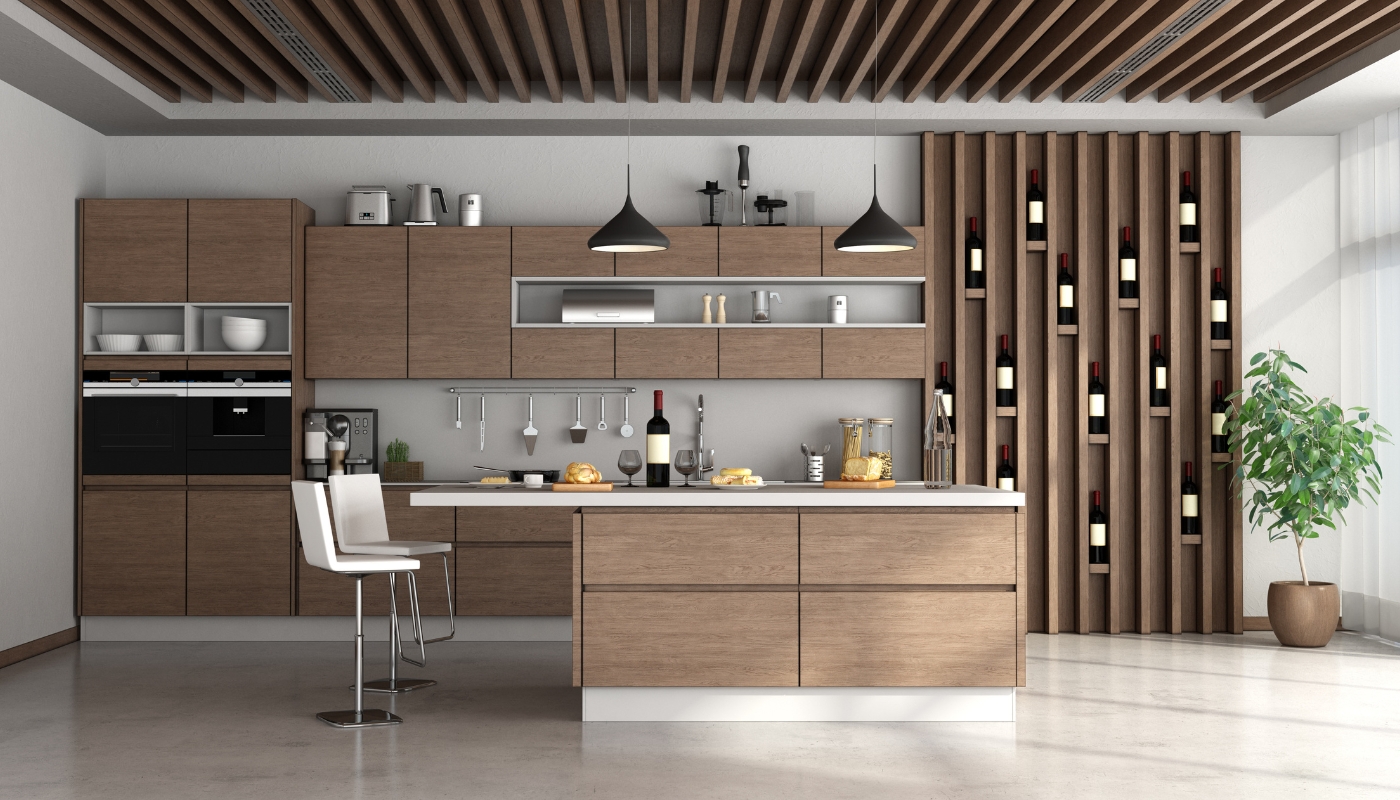
Choice of style: from sleek, modern kitchens with state-of-the-art appliances to warm traditional kitchens with handcrafted cabinetry.
-
Attention to detail, functionality, and lifestyle: storage, workflow, finish materials, lighting.
The Process: From Vision to Reality
Here’s how Remodel California’s custom kitchen process typically unfolds. While every project is unique, understanding these stages helps you prepare and anticipate what the journey will look like.
1. Initial Consultation & Vision Setting
In the first phase, you meet with Remodel California’s team to explore your goals, lifestyle, and the scope of the kitchen remodel. They seek to learn:
-
How you use your kitchen: Do you cook often? Entertain? Use it as a gathering space?
-
What style you prefer: ultra-modern, transitional, rustic, California-indoor/outdoor?
-
What your functional needs are: lots of storage? a large island? specialized appliances?
-
Budget expectations and timeline.
Because they emphasize partnership, this stage is about aligning on vision, expectations, and what “custom” means for you.
2. Design & Layout Development
Once vision is set, the design phase kicks in. Key features of this stage with Remodel California:
-
Layout planning: Considering workflow (prep → cook → serve), appliance placement, ergonomic concerns, traffic flow.
-
Cabinetry and storage solutions: Given they list services like “Custom Cabinets”, “Storage Solutions”, “Door Styles”. remodel-california.com+1
-
Material and finish selections: countertops (quartz, natural stone, etc.), backsplashes, flooring, lighting. On their site they highlight materials such as Cambria, Corian, Silestones, Natural Stone & Granite. remodel-california.com
-
Visualization and planning: In many remodels the homeowner is shown renderings or sample boards to approve before work begins. (While Remodel California’s site doesn’t specify all these details, the custom kitchen process implies this level of collaboration.)
3. Pre-construction / Planning & Permits
Before demolition and construction, a number of logistic tasks must be addressed:
-
Finalizing drawings and plans (especially if structural changes are involved).
-
Acquiring any necessary permits (in California building codes can be strict).
-
Scheduling material orders and deliveries (custom cabinetry, stone slabs, appliances often have long lead-times).
-
Preparing the site: temporary kitchen arrangements, protection of surrounding areas, dust mitigation (this is standard best-practice in California remodels). For example, other remodel guides mention planning for dust barriers, alternative cooking arrangements, etc. Level Up Home Builders+1
While Remodel California does not publish every step in full detail, their framing of “guide you through every step” implies they assist with these phases.
4. Construction & Implementation
This is the phase where your kitchen begins to take form. Key tasks include:
-
Demolition: Removing old cabinetry, countertops, flooring (if needed), walls (if reconfiguring).
-
Rough-in: Plumbing, electrical, HVAC, structural work (if any walls moved/opened).
-
Inspections: California code often requires inspections post rough-in before closing walls.
-
Installation of materials: Cabinets, countertops, backsplashes, flooring, lighting fixtures, appliances.
-
Finishing touches: Hardware, trim, paint, clean-up.
Guides for kitchen remodels estimate that the build phase of a custom kitchen often takes ~6 weeks from start to finish (not including design/prep). KHB Construction Inc.+1 While every job varies (larger scope, expansive layout changes, structural alterations may stretch longer), Remodel California’s emphasis on quality suggests they plan accordingly.
5. Final Walk-Through & Delivery
Once construction is essentially complete, Remodel California will walk with you through the space:
-
Ensure every cabinet door opens/closes properly, drawers slide smoothly, appliances function.
-
Check finishes: countertop seams, grout, tile alignment, hardware.
-
Review warranties, manuals, and maintenance guidelines.
-
Address any punch-list items (small tweaks or corrections).
-
Officially hand over the kitchen so you can start enjoying it.
What Makes Remodel California Stand Out
When selecting a remodeler, especially for a custom kitchen, you want to weigh differentiators. Here’s what Remodel California brings to the table:
End-to-end Service + Custom Focus
Many contractors retrofit kitchens using standard components; Remodel California emphasizes fully custom kitchens tailored to your vision. From their “Custom Kitchens” page:
“We specialize in creating custom kitchens that perfectly blend functionality, style, and your unique vision.”
High-Quality Material Options
Their website lists premium materials and selections:
-
Countertops: Cambria, Corian, Silestones, Natural Stone & Granite.
-
Cabinetry: Custom cabinets, door styles, storage solutions.
These indicate a willingness to work with high-end finishes and customization—not just “kit” cabinets or standard countertops.
California Lifestyle Sensitivity
Because they are based in California and explicitly target California homes (“transforming houses across California into the homes you’ve always envisioned”).
This matters because:
-
California homes often have unique architectural styles (mid-century modern, indoor/outdoor flow, open plans).
-
Code and climate considerations (ventilation, energy efficiency) can differ from other states.
-
Designers familiar with California trends, materials, light, indoor/outdoor living can deliver more appropriate results.
Collaborative, Client-centric Approach
They emphasize guiding you “from initial design conceptualization to the final exquisite details.” This implies:
-
Clear communication.
-
Shared decision-making.
-
Transparency (which is critical in custom remodels).
Comprehensive Remodeling Capability
While the focus here is the kitchen, Remodel California offers whole-home remodeling, ADUs, room additions, etc.
If your kitchen remodel eventually leads to an open-plan dining/living addition or ADU, you have a firm capable of expansion rather than outsourcing.
Key Considerations & Tips for a Successful Remodel with Remodel California
Clarify Scope & Budget Early
Custom kitchens mean many decisions: cabinetry design, material grade, appliances, layout changes, lighting, flooring, etc. These will drive cost and timeline. Although Remodel California doesn’t publish flat pricing, other industry sources show that costs vary significantly.
Tip: Work with Remodel California to define a realistic budget early. Prioritize must-haves vs nice-to-haves.
Decide on Layout Rhythm Before Material Selection
Because cabinetry and major materials often drive lead-times, once the layout is locked in, selections follow. Make sure you’re comfortable with your workflow: e.g., where the sink is relative to dishwasher/trash, where the cooktop is relative to prep space.
Tip: Use Remodel California’s design phase to finalize functional zones before selecting finishes.
Lead Times Matter
Custom cabinetry, stone slabs, bespoke hardware—all may require lead time. Especially in California, where weather, supply chain and shipping may add delays.
Tip: Ask Remodel California for a realistic schedule upfront and what contingencies are built in.
Protect Your Home During Construction
Demolition and construction create dust, noise and disruption—especially in adjacent living spaces.
Tip: Discuss with Remodel California how they will:
-
Contain dust (zip walls, floor protection)
-
Manage construction noise/hours
-
Provide temporary kitchen access (microwave, fridge)
-
Coordinate deliveries to avoid clutter.
Communication & Check-Ins
Even with a strong partner like Remodel California, your project will benefit from proactive communication.
Tip:
-
Schedule regular check-in meetings (weekly or bi-weekly) with Remodel California’s project lead.
-
Keep a shared project plan: milestones (cabinet delivery, countertop templating, appliance install) and track any change orders.
-
Discuss how change orders will be handled and budgeted.
Final Punch-List & Follow-Up
When the main construction is done, there may still be minor issues (hardware alignment, grout touch-up, appliance calibration).
Tip: With Remodel California, confirm the process for the punch-list: timeline, warranty, any post-occupancy follow-up.
Typical Timeline & What to Expect
While every remodel is unique, here’s a rough guideline based on custom kitchen norms and what you might expect when working with Remodel California.
-
Design & Pre-construction: 2-4 weeks (depending on complexity).
-
Material lead-time & approvals: 2-6 weeks (cabinetry, stone, appliances may vary).
-
Construction/build phase: For full re-layout with custom cabinetry, typical build time is around 5-8 weeks. Industry guidance suggests custom kitchens often take ~6 weeks of build time.
-
Final finishes, punch-list & cleanup: 1-2 weeks.
Therefore, from start to finish you could anticipate 8-12 weeks (or possibly more for very large scope or structural changes).
Tip: Ask Remodel California for their specific timeline given your scope, and factor in buffers.
Design Inspiration & Material Highlights
When you partner with Remodel California for a custom kitchen, you’ll encounter a rich palette of design choices and premium materials. Here are some areas to think about:
Cabinetry & Storage
-
Custom cabinet construction allows you to tailor sizes, finishes, hardware, internal organizers, pull-outs, appliance garages.
-
Door styles: modern flat-panel, shaker-style, inset doors, maybe even wood or painted finishes. Remodel California lists “Door Styles” and “Storage Solutions” among their services.
Inspiration tip: Consider functionality such as deep drawers for pots/pans, tray dividers, spice pull-outs, appliance garage, under-sink organization.
Countertops & Backsplashes
Premium materials listed by Remodel California: Cambria, Corian, Silestones, Natural Stone & Granite.
-
Cambria: a high-end quartz surface.
-
Corian: solid surface.
-
Silestones: also quartz.
-
Natural stone & granite: unique veining, high impact.
Finishing tip: Choose surfaces not only for aesthetic, but durability (kids, heavy use), maintenance (sealed vs non-sealed) and interaction with other finishes (cabinet color, backsplash, flooring).
Flooring, Tile & Lighting
-
Flooring and tile tie the kitchen into the rest of the home: wood, engineered, large tile, warm or cool tones depending on style.
-
Backsplash tile offers design personality: mosaic, stone, glass, large format slabs. Remodel California lists “Tile Flooring / Backsplash” services.
-
Lighting: layers are important—ambient (ceiling), task (under-cabinet), accent (pendants over island). In California open-plan layouts, you might blend kitchen lighting with adjacent living/dining spaces.
Appliances & Hardware
While Remodel California may not list specific brands in the publicly available info, a custom kitchen typically considers:
-
Professional grade range, built-in refrigerator, dishwasher, hood.
-
Cabinet hardware: pulls, knobs, hinges, soft-close mechanisms.
-
Faucet/sink: under-mount sinks are common, high-arc taps, filtered water, etc.
Indoor-Outdoor Integration (California Style)
Given California homes often favour a flow between indoor and outdoor spaces (e.g., garden, patio, large windows/doors), a custom kitchen may include:
-
Large island facing patio/doors so guests can gather.
-
Sliding or folding doors to patio.
-
Finishes that coordinate with outdoor living (stone, wood, durable flooring).
Remodel California’s mention of creating kitchens that “blend … California’s indoor-outdoor living seamlessly” speaks to this.
Real-World Considerations: What to Ask & What to Watch Out For
Working with Remodel California, or any custom-kitchen remodeler, you’ll want to ask certain questions and keep an eye on key areas to ensure everything goes smoothly.
Questions to Ask Remodel California
-
What is your detailed process from design through completion?
-
How many custom kitchens have you done in a similar style/size? Can I see a portfolio/gallery of work?
-
How do you handle material selection and lead-times? Are there preferred suppliers?
-
What is included in the contract? Scope of work, timeline, payment schedule, change order process?
-
How is communication and project management handled? Will there be a dedicated project manager? How often will we meet/receive updates?
-
How do you minimize disruptions in the home (dust, noise, temporary kitchen setup)?
-
What warranty or post-occupancy support do you provide?
-
How do you handle unforeseen issues (hidden structural issues, delays, etc.)?
These questions are aligned with best-practice advice when hiring contractors.
Things to Watch Out For
-
Scope creep: As custom options increase (e.g., high-end materials, layout changes, structural modifications), cost and timeline can inflate.
-
Timing of decisions: Delays in material selection (e.g., custom cabinetry, stone slabs) can push schedule.
-
Interruptions to household: Without a good temporary setup, your family routine may be severely impacted.
-
Change orders: Every change after contract drives cost/time. Make sure process for changes is clear.
-
Quality of finish: For custom kitchens, finish details matter a lot (hardware alignment, countertop edge detail, cabinet alignment). Walk the space at handover carefully.
-
Warranty/support: Make sure post-occupancy support is clear.
Budgeting Realistically
Custom kitchens vary widely in cost depending on size, materials, layout changes, appliance tier, etc. While Remodel California does not publish a cost grid, industry estimates offer perspective:
-
A typical fully custom kitchen could easily range into the tens of thousands (or even six-figure) depending on scope. For example, one guide for a 12×12 kitchen in the U.S. estimated between ~$14,500-$41,500 depending on scope and materials.
Tip: Set your budget early, give Remodel California a realistic figure, and ask for an allowance breakdown for major components (cabinets, countertops, flooring, appliances, lighting).
Benefits of Investing in a Custom Kitchen Remodel with Remodel California
Why go the custom route rather than a cookie-cutter remodel? Here are key advantages when partnering with a firm like Remodel California:
Increased Home Value & Functionality
A well-executed custom kitchen remodel enhances your home’s usability, aesthetic appeal, and resale value. Because Remodel California is focused on quality craftsmanship and design, you’re more likely to get a space that stands out.
Tailored to Your Lifestyle
Rather than adapting your lifestyle to a pre-designed layout, a custom remodel means your kitchen is built around how you live—entertaining, cooking, kids, storage, workflow. This means day-to-day life is more intuitive, comfortable, and efficient.
High-Quality Materials & Craftsmanship
Custom cabinetry, premium surface materials, and detailed finishes (which Remodel California offers) tend to perform better, look better, and age better, meaning your investment lasts longer.
Unique Design/Personalization
If you want a kitchen that is unique—not just another “look” from a catalogue—Remodel California’s emphasis on custom design means you can choose finishes, layout, textures, and features that reflect your individual taste.
Seamless Integration Into the Home
Because Remodel California also offers whole-home remodeling, if your kitchen is part of a broader renovation (adjacent living/dining, open plan, ADU expansion), you have one partner to coordinate across those elements, which improves consistency and efficiency.
Potential Challenges (and How Remodel California Helps Address Them)
Even the best remodels face hurdles. Being aware of them helps you plan proactively.
Disruption During Construction
Kitchen remodels are disruptive—especially if you live in the home during the renovation.
Remodel California’s approach: Their “guide you every step” philosophy implies they plan for such issues (temporary setups, schedule management). Ensure they share how they will minimize impact on your daily life.
Lead-Time Delays
Custom cabinetry, stone slabs, appliances often have long lead times. Delays can push the schedule.
Proactive step: Ask Remodel California for lead-time estimates early and confirm delivery dates. Ask how they will handle delays.
Hidden Conditions or Scope Changes
Older homes often reveal unexpected issues (out-of-plumb walls, plumbing/electrical behind walls, structural changes).
Remodel California’s role: As your partner, they should help assess and propose solutions. Make sure change-order procedures and extra-cost approvals are defined clearly upfront.
Budget Overruns
Because custom means more variables, cost can escalate.
Mitigation: Early budget conversation, allowances for materials, detailed contract, contingency reserve (often 10-20%). It’s advisable to have a “hard limit” negotiation with Remodel California for what you’re willing to spend.
Quality Assurance
Custom detail requires careful oversight.
What you should do with Remodel California: Request quality-control checklist, ask to view past projects, ask for client references, and plan final walkthrough with punch-list.
Case-Study/Example Scenario
To illustrate how a project with Remodel California might look, here’s a hypothetical example:
Home: 1960s ranch style home in California with a small, closed-off kitchen and backyard patio.
Goal: Transform into open-plan modern kitchen that opens to patio, accommodates large island, integrates high-end appliances, and has custom cabinetry with hidden storage for a family of four who love entertaining.
Steps:
-
Consultation: Remodel California meets with the family, discusses their cooking/entertaining habits, desire for indoor/outdoor flow, and selects a target budget and timeline. They review portfolio of custom kitchens for inspiration.
-
Design:
-
Layout: Remove non-load-bearing wall between kitchen and living room; install large island facing patio.
-
Storage: Custom floor-to-ceiling cabinetry on one wall, appliance garage for small appliances, deep drawers for cookware, tray/divider pull-out.
-
Materials: White matte slab door cabinetry, quartz countertop (Cambria), full-height marble/stone backsplash, large-format porcelain tile flooring that flows outdoors.
-
Lighting: Recessed ambient lighting, under-cabinet task lights, pendants over island, outdoor patio lighting tied into kitchen lighting scheme.
-
Indoor-outdoor: Sliding glass doors from kitchen to patio; same tile flows into patio for continuity.
-
-
Pre-construction: Permits filed (because opening wall). Cabinetry order placed, quartz slab ordered. Temporary kitchenette set up in laundry room. Protection installed for adjacent living spaces.
-
Construction:
-
Demolition: Wall removed, old cabinetry and flooring removed.
-
Rough-in: Plumbing moved for island sink, electrical relocated for island outlets, gas line moved for cooktop, ventilation hood installed for outdoor ducting.
-
Inspection passed.
-
Flooring installed.
-
Cabinetry installed and leveled.
-
Countertop templated once cabinetry complete; quartz fabricated and installed.
-
Appliances installed and connected.
-
Backsplash installed, lighting fixtures mounted.
-
Final paint touch-up, hardware installed, adjacent assisted living spaces cleaned of construction dust.
-
-
Walk-through & Handover: Remodel California leads final tour, shows the home-owners how everything works, collects punch-list items (small adjustments to cabinet doors). They provide warranty information for cabinetry, countertop, appliances.
-
Enjoyment & Value: The homeowners now have a sleek, custom kitchen that matches their lifestyle—cooking, entertaining, indoor/outdoor flow—and their home value is enhanced. Because the materials and design were high-quality, the kitchen is likely to wear well for decades.
Why Remodel California’s Timing & Value Might Make Sense
-
Because Remodel California offers custom cabinetry, premium materials, tailored layouts—and handles all phases of the remodel—they are likely to deliver a higher value proposition over time.
-
Since they are experienced in California homes, you benefit from their regional knowledge (building codes, supply chain, lifestyle factors).
-
Although custom means higher initial investment, quality materials and design often pay off via usability, durability, and resale value.
-
Their full-service model (from design through build) can reduce coordination headache compared to hiring separate designer, contractor, cabinet maker, etc.
Final Thoughts
If you are considering a custom kitchen remodel in California, and you are seeking a partner who will walk you through design, material selection, construction, and finishing—with a committed focus on your lifestyle and vision—Remodel California Company is a strong candidate.
Their emphasis on custom kitchens that “perfectly blend functionality, style, and your unique vision” speaks to an elevated standard. remodel-california.com By focusing on premium materials (quartz/stone surfaces, custom cabinetry, storage solutions) and tempering this with thoughtful design and workflow, they position themselves above standard remodels.
Of course, as with all remodels, success depends on clear communication, realistic budgeting, timely decision-making, and site management. With Remodel California’s stated partnership approach, you have a framework conducive to these things.