
Introduction
Why consider a custom home addition in Auburn?
Understand jurisdiction and permitting in Auburn
Local natural hazards and site conditions that affect design
Types of additions commonly built in Auburn
Budgeting and realistic cost expectations
Design process: from concept to construction documents
Choosing the delivery method
Typical timeline for a custom addition
Building code, energy compliance, and sustainability
Finding and vetting local contractors and specialists
Construction management: what to expect on site
Financing your addition and assessing ROI
ADUs and short-term rentals: special notes
Value-engineering and cost-control strategies
Accessibility, aging-in-place, and universal design
Conclusion
Resources
Introduction
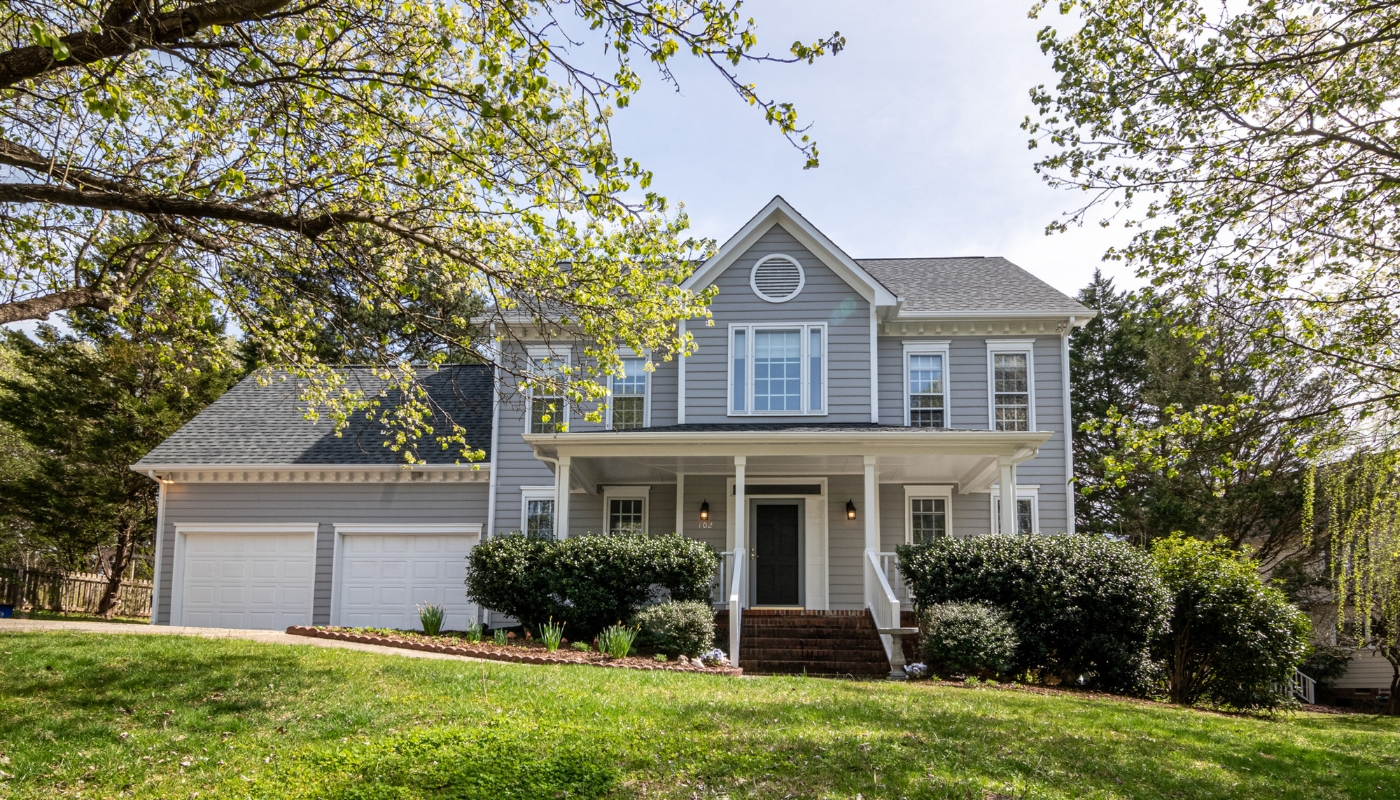
Expanding an existing home with a custom addition is one of the most effective ways to increase living space, adapt a property to changing needs, and add measurable resale value. In Auburn, California, custom home additions require an approach that balances design ambition with local regulations, site-specific conditions (wildfire risk, hilltop topography, and seismic considerations), and careful budgeting. This article walks you through the full lifecycle of a custom home addition in Auburn — from initial goals and feasibility to permitting, design, construction, and post-construction considerations — with practical checklists, cost guidance, and local specifics you must know before you start.
Why consider a custom home addition in Auburn?
Homeowners choose additions for many reasons: to add bedrooms or bathrooms, create a dedicated home office, expand the kitchen or living areas, build an accessory dwelling unit (ADU) for rental income, or create multigenerational living space. Compared with moving, an addition lets you retain your neighborhood, avoid market timing, and customize the home to your exact needs and finishes.
Key advantages:
-
Retains neighborhood and school advantages.
-
Often less disruptive emotionally than moving.
-
Opportunity to upgrade building systems (HVAC, electrical, insulation) to current code.
-
Potential to significantly increase appraised value — particularly when the addition improves functionality (extra bedroom, modern kitchen, or independent ADU).
Understand jurisdiction and permitting in Auburn
Before sketches or contractors, identify who issues building permits for your specific property: the City of Auburn or Placer County. Jurisdiction determines permit forms, required studies, fees, and the review path. The City of Auburn Planning Department handles land-use and planning services for properties inside city limits; Placer County Building Services processes permits for addresses outside city boundaries. Confirm jurisdiction early to avoid rework and missed requirements. Auburn+1
Important recent development: Auburn Council and local departments have adjusted fee schedules and planning cost-recovery policies in recent years — expect changes to permit fees and plan-check costs relative to earlier decades; budget for permit and plan-review fees accordingly. Auburn Granicus
Action step: Contact the City of Auburn Planning Department (if inside city limits) or Placer County Building Services (if outside) with your parcel number and a brief project summary to confirm jurisdiction and an initial list of required submittals
Local natural hazards and site conditions that affect design
Auburn sits in the Sierra Nevada foothills and faces particular environmental considerations that materially affect addition design and code compliance:
-
Wildfire risk: Changing climate patterns and local vegetation increase wildfire risk in and around Auburn; building materials, defensible space, and ignition-resistant construction are important design inputs. Local planning and safety studies call out rising wildfire exposure and the need to incorporate mitigation measures into project design. cdnverify.bof.fire.ca.gov+1
-
Seismic risk: As with all of California, seismic design and foundation considerations are critical; structural engineers must verify foundation loads and lateral resistance when adding second stories or heavy roof structures. (This is standard code practice — mandate a structural evaluation for major additions.)
-
Topography and drainage: Many Auburn lots are sloped; earthwork, retaining walls, erosion control, and stormwater management will be part of plan submissions and construction cost.
-
Water/septic considerations for ADUs: If your addition connects to water or septic systems — or creates an ADU — there are extra checks on water availability and septic capacity. Placer County materials for ADUs advise checking water/septic suitability before detailed design. Placer County
Action step: Commission a site visit from a civil or geotechnical engineer early if the lot is steep, shows evidence of erosion, or is near wildland-urban interface (WUI) vegetation.
Types of additions commonly built in Auburn
Understanding the options helps you match scope with cost and permit complexity:
-
Bump-out or cantilevered addition — Small extension (kitchen or bay window) that minimally affects foundation work; often quicker and less expensive but may still need permits. Bump-outs provide cost-effective space improvements.
-
Ground-level (single-story) addition — Adds livable square footage; requires foundation work, utility extensions, and often the most straightforward permitting path for modest footprints.
-
Second-story addition / full vertical expansion — Adds significant area without losing yard; requires structural engineering, potential foundation reinforcement, roof removal/temporary protection, and more complex permits. Adding up is often more economical per square foot than building out because it avoids extensive new foundation work.
-
Accessory Dwelling Unit (ADU) — Detached or attached separate unit for rental or family use; ADUs have specific statewide and county rules in California and can be a strong investment if the lot supports it. Expect multiple permits and system checks (water, sewer/septic, fire access).
Budgeting and realistic cost expectations
Costs for home additions vary widely depending on type, finishes, site complexity, and whether you build out or up. California pricing is generally higher than national averages because of labor, materials, code requirements, and site factors.
Reasonable cost ranges (industry data & market snapshots):
-
Small bump-outs and modest room additions: typically lower cost per square foot but can range significantly depending on finishes.
-
Typical full home additions in California: many sources report broad ranges from roughly $200 to $1,000+ per square foot depending on whether the work is simple room addition, high-end kitchen, or complex second-story. Recent guides for California home additions show per-square-foot estimates elevated compared with other states; specialized projects (second stories, complex structural work) are at the higher end. seapointe.com+2blockrenovation.com+2
Cost drivers to consider:
-
Foundation and structural work: Adding a second story or enlarging footprint can require expensive foundation reinforcement and structural framing.
-
Site access and grading: Steep lots or constrained access in foothills increase excavation, staging, and hauling costs.
-
Utilities and systems: Extending plumbing, HVAC, and electrical services adds cost. Adding a bathroom or kitchen is materially costlier per square foot.
-
Finishes and custom features: High-end cabinets, tile, built-ins, and integrated systems (smart home, radiant floors) dramatically increase the budget.
-
Permit, design, and utility fees: Plan-check, permit fees, impact fees (if applicable), and inspection fees add up — and local fee schedules may have increased in recent years. Auburn Granicus+1
Rule of thumb: Create a budget range (low to high) with line items for structural work, systems, finishes, soft costs (design, permits, engineering), contingencies (10–20%), and site-specific requirements (retaining walls, erosion control). Use local contractor bids to refine numbers; national averages are helpful for initial planning but site specifics dominate final pricing.
Design process: from concept to construction documents
A structured design process reduces surprises and speeds permitting.
Step A — Program & feasibility
-
Define priorities: number of bedrooms/bathrooms, kitchen expansion, multi-use spaces, ADU, natural light, accessibility.
-
Budget bracket: set a target cost per square foot and overall budget including contingency.
-
Feasibility check: confirm setbacks, lot coverage limits, zoning restrictions, and whether the lot is inside the City of Auburn or Placer County jurisdiction (affects allowable floor-area ratios and design overlays). Contact local planning early. Auburn+1
Step B — Schematic design
-
Architect or designer creates initial floor plans and elevations. For custom additions, invest in good 3-D renderings so you can visualize how the addition integrates with the existing structure. Many local firms and builders offer plan-and-render services. houseidea.com+1
Step C — Engineering and technical studies
-
Structural engineering for load paths and foundation; geotechnical investigation for sloped lots; energy compliance (Title 24) documentation; and any required hazardous-vegetation or wildfire mitigation analysis.
-
ADUs may require additional sewer/water approvals or a septic evaluation. Placer County+1
Step D — Construction documents & permits
-
Produce full set of drawings (architectural, structural, electrical, mechanical, plumbing) and submit to the appropriate jurisdiction for plan check. Expect plan review cycles and corrections. Allow time and budget for plan revisions. Recent fee schedule changes mean you should verify current plan-check costs with the City/County. Auburn Granicus+1
Step E — Bidding & contractor selection
-
Invite competitive bids or use a design-build firm. Compare detailed scopes, not just lump sums. Check licensing (California contractor license), insurance, and references; evaluate previous projects similar to yours. Local Auburn/Sacramento-area builder listings and review sites provide a starting point
Choosing the delivery method: design-bid-build vs. design-build
Two common options:
-
Design-bid-build: Architect produces full documents, owner obtains competitive contractor bids. Good for tight control over design, but may increase time and require higher contingency for contractor-initiated changes.
-
Design-build / design-assist: A single firm handles design and construction, often faster and better for budget control if you select a reputable builder early. Many local custom builders offer integrated services (design + permitting + construction) which reduces coordination burden for the homeowner. skylinebuildinc.com+1
Tip: For complex additions (second story, steep site), design-build with an experienced local firm can reduce change-order risk because the builder is part of design decisions from day one.
Typical timeline for a custom addition
Timeline varies with scale, permitting complexity, and site conditions. A realistic timeline example:
-
Feasibility & schematic design: 2–6 weeks.
-
Full design & engineering: 6–12 weeks (longer when geotech or complex structural design required).
-
Permit review and approvals: 4–12+ weeks depending on jurisdiction workload and completeness of submittal; recent schedule and fee changes in Auburn may affect timing. Auburn Granicus+1
-
Construction: small bump-outs 4–8 weeks; single-story additions 3–6 months; second-story or complex additions 6–12 months (weather and material lead times can extend these periods).
-
Inspections and final approvals: included in the project schedule; schedule final inspections with the building department and resolve any punch-list items.
Important: Permit review timelines and staffing can change — check with your jurisdiction for current plan-check turnaround estimates.
Building code, energy compliance, and sustainability
California codes (Title 24, energy, and increasingly stringent local rules) require energy-efficiency measures and compliance documentation. For additions, you should expect:
-
Title 24 energy calculations and compliance forms.
-
Upgraded insulation, windows, and mechanical systems if the addition triggers system upgrades or if you choose to bring the whole home up to current standards.
-
Consider designing for resilience (roofing materials, ember-resistant vents in WUI areas, Class A roof assemblies, and non-combustible exterior finishes where appropriate). Wildfire risk recommendations in local documents highlight the need for ignition-resistant details in vulnerable zones. cdnverify.bof.fire.ca.gov+1
Sustainability opportunities
-
Electrification of HVAC and kitchen appliances to align with California’s long-term energy goals.
-
Solar readiness or rooftop PV integration (permitting early will simplify later solar installation).
-
Drought-tolerant landscaping and water-smart plumbing fixtures for long-term operational savings.
Finding and vetting local contractors and specialists
In Auburn and the greater Placer/Sierra foothills, choose contractors experienced with local geology, WUI details, and City/County permit processes. Sources:
-
Local builder directories and review platforms provide candidate lists (examples include local builder sites and regional listings). Conduct interview rounds, ask for similar project portfolios, and request references. Yelp+1
Vetting checklist:
-
Valid California contractor license (check CSLB).
-
Proof of insurance and workers’ compensation.
-
Portfolio of similar scope and references.
-
Familiarity with local permitting and inspection procedures.
-
Clear written contract with scope, schedule, payment milestones, and change-order procedures.
Red flags: Extremely low bids, requests for large upfront payments outside standard retainers, or inability to provide verifiable references.
Construction management: what to expect on site
Daily life during construction:
-
Staging and material deliveries: plan for noise, dust, and restricted driveway/parking during heavy phases.
-
Temporary utilities and protection of existing living areas.
-
Regular inspections by city/county building inspectors; contractor should coordinate inspections and provide access.
-
Changes and unforeseen conditions: expect unknowns in older homes (rot, termite damage, outdated electrical, hidden plumbing) — these produce change orders. Include a healthy contingency in the budget.
Communication is critical: establish weekly progress calls or site meetings with the contractor, and get all agreed changes documented in writing.
Financing your addition and assessing ROI
Financing options commonly used in Auburn area:
-
Home equity line of credit (HELOC) or home equity loan.
-
Cash-out refinance.
-
Construction loan (short-term, converted to mortgage).
-
Personal savings or combination financing.
Consider ROI realistically: while certain additions (kitchen remodels, master suite, ADU) often yield strong resale value, ROI depends on market conditions, quality of finishes, and local buyer preferences. ADUs offer potential rental income but require market analysis for rental demand and local regulations.
ADUs and short-term rentals: special notes
ADUs remain popular for adding usable square footage and rental income. In California, ADU law has evolved to encourage development, but local conditions (water, septic, lot size, fire safety access) may impose constraints. Placer County’s ADU guidance emphasizes the need to check water and septic suitability before proceeding. If rental income is intended, confirm local ordinances on short-term rentals and additional licensing requirements. Placer County
Value-engineering and cost-control strategies
When budgets tighten, consider these strategies:
-
Build up rather than out where possible (avoids large new foundations).
-
Limit scope to core functional improvements and defer luxury finishes to phase two.
-
Use standard-sized windows and off-the-shelf fixtures to reduce lead times and cost.
-
Select durable, low-maintenance exterior materials appropriate for Auburn’s WUI exposure.
-
Consider prefabricated components (factory-built roof trusses, modular wall panels) for faster on-site assembly if compatible with the design.
Accessibility, aging-in-place, and universal design
If you plan to stay in the home long term or accommodate family members with mobility needs, integrate accessibility early:
-
Zero-step entries, wider doorways, reinforced walls for grab bars, ground-floor bedroom/bathroom options.
-
These features are easier and cheaper to incorporate during new construction than to retrofit later.
Conclusion
Custom home additions in Auburn CA offer homeowners the opportunity to enhance their property in meaningful, functional, and aesthetically appealing ways. Whether the goal is increased space, improved property value, or lifestyle optimization, a well-executed addition can transform a home and significantly elevate the homeowner’s quality of life.
By approaching the project with careful planning, budgeting, design collaboration, and professional execution, Auburn residents can achieve outstanding results. For those evaluating the feasibility of adding space to their homes, considering a custom home addition can be one of the most impactful investments they will make.
Resources
-
Apply for a Building Permit (City of Auburn) – Step-by-step permit application details, office hours, and contact info for the city building department. Auburn
-
Placer County Building Permits – Information on permit fees, processing, and filing reports relevant to properties in unincorporated areas of Placer County. Placer County