
Introduction: What Is a “Classic” Kitchen Remodel?
When you hear the phrase classic kitchen remodel, what comes to mind is not the ultra-modern, cutting-edge aesthetic (which risks quickly dating itself) but instead a design rooted in timelessness: balanced proportions, high-quality materials, elegant detailing, and a configuration that works for everyday life yet still impresses guests. According to the Remodel California Company, a classic kitchen remodel typically involves:
-
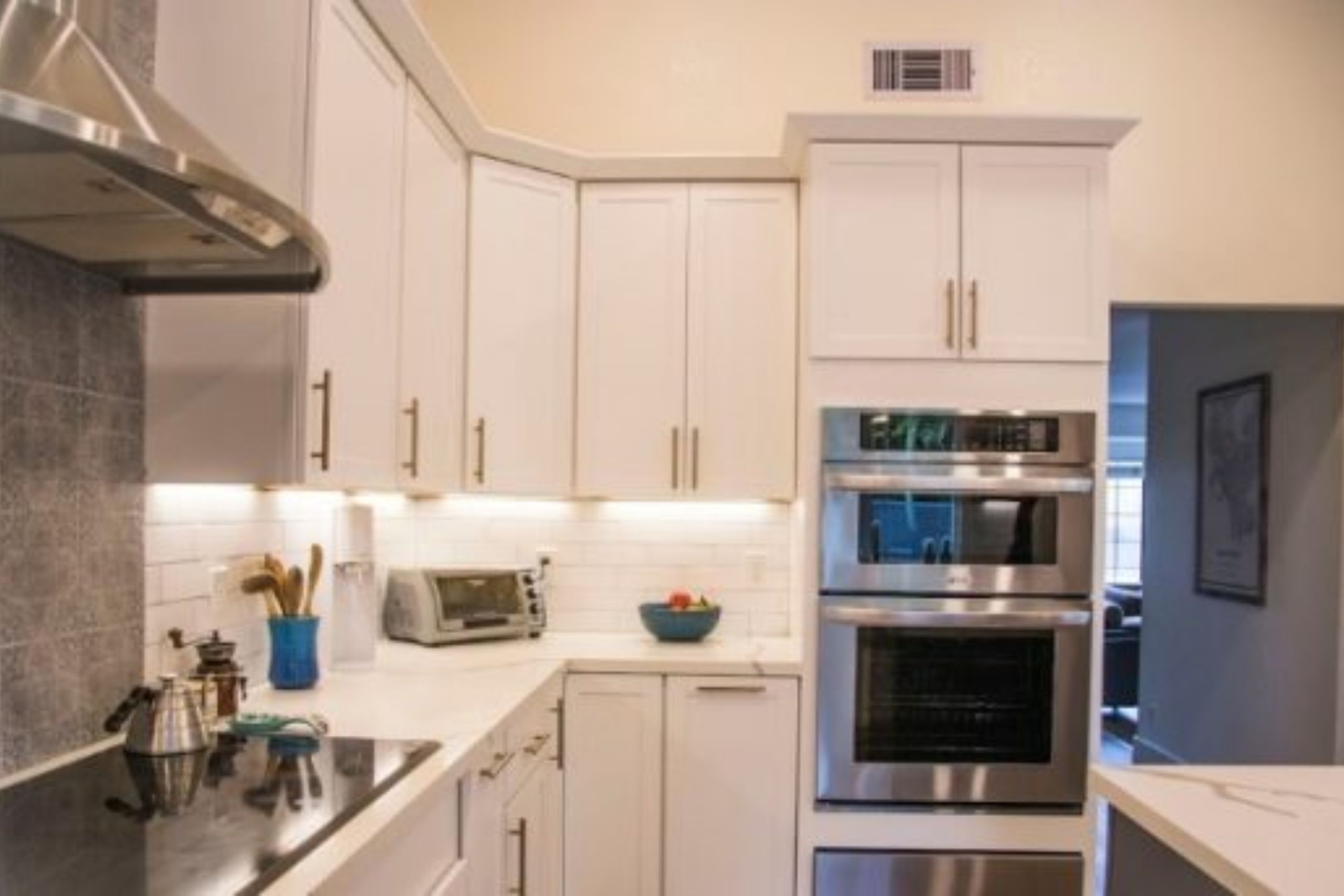
Symmetrical cabinetry with refined—but not fussy—detailing (for example: inset doors, Shaker-style frames, crown moulding). remodel-california.com
-
A warm, neutral colour palette (ivory, off-white, cream, soft greys) with perhaps one or two accent tones—not loud or trendy. remodel-california.com
-
Natural and durable materials (wood, stone, engineered stone, high-quality tile) instead of ultra-gloss laminates or overly minimalist finishes. remodel-california.com
-
Layouts and workflows that have stood the test of time: work zones, clear sight lines, functional storage, and a design that blends with the home’s architecture rather than fighting it.
In the context of Davis, CA, choosing a classic remodel means ensuring your kitchen not only looks good today, but stays relevant 10+ years down the road, supports resale value, and fits the character of the region’s homes.
Why Choose a Classic Remodel in Davis, CA
Local Architectural & Neighborhood Context
Davis, located in Yolo County in Northern California, features a mixture of home styles: ranches, mid-century homes, suburban homes from the 1980s/90s, and newer infill developments. Many of these homes lend themselves naturally to a classic kitchen aesthetic. As Remodel California’s article points out, doing a remodel that respects the home’s architectural roots helps maintain neighbourhood character — an important factor in markets like Davis. remodel-california.com
Climate & Material Considerations
Northern California’s climate—hot in summer, mild in winter—means kitchens must handle both functional and practical demands: durability, good ventilation, materials that resist humidity, sun exposure, and wear. Materials common in classic kitchens (stone, hardwood/engineered wood, quality tile) wear well and age gracefully; Remodel California emphasises that classic kitchens use materials “that age well … finishes that resist humidity and sun exposure.” remodel-california.com
Resale Value & Market Appeal
Kitchens are among the top rooms buyers judge when purchasing a home. A classic design often offers broader appeal than something ultra-trendy or ultra-minimal, since classic tends to “grow old gracefully.” As the article states: “A well-executed classic remodel tends to appeal across a wide spectrum of buyers … because it’s less likely to be polarizing than ultra-modern or very trendy remodels.” remodel-california.com
In a market like Davis, where many buyers are families, academics, or long-term residents, a kitchen that feels timeless and fits the home’s character is a smart investment.
Planning Your Classic Kitchen Remodel
Define Your Vision & Style Elements
-
Begin by collecting imagery: magazines, Pinterest, Houzz—look for kitchens with details like Shaker cabinetry, natural stone countertops, subway-tile backsplashes, traditional hardware, warm lighting.
-
Determine your “must-haves” vs “nice-to-haves”. For example: maybe you must have an island that seats four, but you’d like a built-in bench nook.
-
Consider your lifestyle: How often do you cook? Entertain? Use your kitchen for homework or multi-purpose? If you entertain often, you may want more open sight-lines and seating. If your kitchen is mostly for family meals, you may emphasise durability and storage.
-
Balance style and function: classic styling is elegant but still very much about usability.
Budgeting and Cost Estimation
From the Remodel California piece:
“Classic remodels can vary widely in cost depending on scope (cosmetic refresh vs full gut). Include all cost categories: design, materials, labor, permits, appliances, plumbing/electrical, lighting, finish work.” remodel-california.com
Additional suggestions:
-
Start with a base budget for your kitchen size (for example a two-bed ranch vs large open‐plan home will differ).
-
Identify if walls will move, plumbing or electrical will change—those drive cost.
-
Don’t forget “soft costs” (design fees, permits, inspection fees, temporary relocation of cooking if needed).
-
Build a contingency (10-20 %) for hidden issues—older homes often reveal surprises (rot, mold, outdated wiring) once demolition begins.
-
Prioritise your spending: spend more where you’ll see/feel/use it most. Skimp wisely.
Permits, Codes & Local Regulations
In Davis and via Yolo County, when you do significant remodeling you’ll likely need permits, especially if you alter structural elements, electrical, plumbing or mechanical systems. According to the Remodel California article:
“Davis, and Yolo County / City of Davis, require building permits for major remodel work, particularly for structural changes, electrical/plumbing modifications.” remodel-california.com
Aspects to check:
-
Is your contractor licensed and insured (e.g., California’s CSLB).
-
Electrical, plumbing, mechanical must meet California Building Code, Residential Code, Plumbing Code, Mechanical Code, Energy Code. remodel-california.com
-
If the remodel touches external walls or alters fenestration/footprint, additional reviews might be needed (especially in historic or sensitive neighbourhoods).
-
Inspections: Normally work is staged so inspectors can sign off on rough inspections (wiring/plumbing) before covering. Good planning helps avoid delays.
Key Design Elements of a Classic Kitchen
Layout & Workflow
A classic kitchen optimises how you move and work:
-
The “kitchen work triangle” (sink, stove, refrigerator) remains a useful guideline.
-
Establish clear work zones:
-
Preparation zone (counter, sink, garbage/disposal)
-
Cooking zone (range/oven, pot fillers, vent hood)
-
Cleaning zone (dishwasher, sink, maybe bin/waste)
-
Storage zone (pantry, cabinets, refrigerator)
-
-
An island or peninsula can serve as multi-purpose: food prep, seating, social hub. In California homes, open sight-lines to living spaces are often desirable (so the kitchen feels connected).
-
Consider traffic flow: Avoid interference with primary work zones. If your kitchen is a path from front to back of house, you may need to buffer the cooking zone.
-
Ensure sight-lines are pleasing: in a classic design, you might want symmetry or visual anchor points (e.g., a hood, centred island).
Cabinets: Styles, Wood & Finish
-
Cabinet door styles common in classic kitchens: Shaker-frame, inset doors, raised-panel with subtle detailing. As Remodel California suggests: “Symmetrical cabinetry with simple yet elegant detailing (shaker-style or inset doors, crown molding).” remodel-california.com
-
Wood species & finishes: Maple, cherry, alder, oak are popular; painted finishes (soft white, warm grey) are also classic.
-
Hardware: Consider knobs/pulls in finishes like aged brass, oil-rubbed bronze, satin nickel—styles that look intentional, not trendy.
-
Crown moulding, decorative corbels, even bead-board panels add character. But keep it tasteful—classic doesn’t mean overly ornate.
-
Consider full-height cabinetry (to ceiling) to avoid leaving top shelves poorly used or dust catching.
-
Interior organisation: pull-out shelves, corner units, pantries—ensure the classic aesthetic doesn’t hamper function.
Countertops, Backsplashes & Surfaces
-
Countertops: Natural stone (granite, marble) or engineered stone (quartz) offer durability and elegance. Remodel California: “Natural materials … rather than ultra-glossy laminates.” remodel-california.com
-
Backsplashes: Subway tile is a staple of classic kitchens. Mix with mosaic insets, stone accents, or artisan tile for subtle interest.
-
Surface durability: Ensure sealants and finishes protect against stains, high heat, repeated use.
-
Edge detail: A simple eased or beveled edge may suit a classic remodel better than exaggerated bull-nose or waterfall edges.
-
Coordinate with cabinetry and hardware (i.e., warm undertones of stone match wood tones or painted finishes).
Flooring & Lighting
-
Flooring: Choices common in classic kitchens: hardwood (or wood-look engineered), natural stone tile, large format porcelain. Avoid overly trendy patterns or finishes likely to date.
-
Lighting: Layered lighting is essential: ambient lighting (recessed or ceiling-mounted), task lighting (under-cabinet or over islands), accent lighting (pendants, chandelier if appropriate). Remodel California emphasises layering. remodel-california.com
-
Window treatments and natural light: Davis homes often enjoy good daylight; position work zones near windows where possible.
-
Combine lighting with finishes: For example, warm LED lighting helps wood finishes look inviting rather than sterile.
Hardware, Fixtures & Finishing Details
-
Plumbing fixtures: Bridge faucets, apron-front sinks, sub-zero or classic stainless appliances integrated well. A seldom-used pot-filler above the range can feel classic yet highly desirable.
-
Details: Crown moulding, decorative panels, furniture legs on islands, bead-board panels—these add character.
-
Colour coordination: Trim, cabinets, walls, hardware all should harmonise. Classic kitchens steer clear of bold colour combinations unless carefully grounded (e.g., navy island + white perimeter cabinets).
-
Matching finishes: If you use warm brass handles, ensure the faucet and light fixtures are similar tone.
-
Trim and finish – baseboards, toe kicks, transition strips should feel cohesive with cabinetry style.
Materials & Suppliers in the Davis / Sacramento Region
When executing a classic kitchen remodel in Davis, you’ll want to source reliable, quality suppliers and craftsmen in the region. Some local references:
-
Kitchen Mart (Sacramento area) – known for custom cabinetry, refacing, and full kitchen remodel work. Kitchen Mart
-
Local lumberyards/wood shops in Yolo and Sacramento Counties for quality wood cabinetry, finishes.
-
Tile and stone suppliers in Sacramento/Davis region—select stone slabs for countertops and natural stone flooring as early as possible (pre-order and schedule fabrication).
-
Lighting showrooms in Davis/Sacramento where you can select pendant lights, task lighting, and classic fixture styles.
Working with Remodel California Company (based in Sacramento region) gives access to a full-service remodeler experienced in these classic kitchen designs. Their “Classic Kitchen Remodel Davis CA” page provides numerous insights.
Construction & Project Management
Hiring Contractors & Designers
-
Choose a contractor experienced in classic kitchen remodels, not just trendy or ultra-modern. Ask for a portfolio of previous work with traditional/classic styles.
-
Check for licensing, insurance, and good client reviews, particularly for kitchen remodels in Davis or the broader Sacramento-Yolo region.
-
Depending on scope, you may also need a kitchen designer or architect (especially if you’re changing structural walls or load-bearing elements). Remodel California’s article suggests that for many kitchen remodels a dedicated designer may not be necessary, but you do need someone with layout/flow and finish detail expertise. remodel-california.com
-
Ensure your contractor understands and will manage permits, inspections, and local code compliance.
Timeline & Phasing
A typical timeline for a classic full kitchen remodel might look like:
-
Planning & design phase – gather inspiration, finalise cabinetry layouts, material selections, budget.
-
Ordering long-lead items – cabinetry, stone slabs, custom lighting, etc.
-
Demolition & rough-in work – remove old finishes, reroute plumbing/electrical/venting, structural modifications if any.
-
Framing/structural work – if walls move, skylights added, or floor modified.
-
Rough mechanicals – plumbing, electrical, HVAC. Inspection as required.
-
Cabinets installed – once walls/floor are ready.
-
Countertop templating & fabrication – after cabinets are set.
-
Finishes – backsplashes, flooring, lighting, appliances, hardware.
-
Final inspection, punch list & clean-up – walk-through with home owner, final adjustments.
-
Move in & enjoy!
Allow for flexibility — material delays, permit inspections, hidden work (e.g., fixing hidden termite damage) sometimes extend timelines.
Managing Unexpected Issues
Older homes in Davis often present hidden issues:
-
Rotten sub-flooring or joists (if demolition reveals water damage)
-
Out-of-code wiring or plumbing (requiring full replacement)
-
Lead paint, asbestos (less common in kitchens but still possible)
-
Unexpected structural supports when walls are removed or altered
Remodel California advises building contingency into your budget and timeline: “Use contingencies in your budget and allow flexibility. Keep open communication with contractors.” remodel-california.com
Communication & Oversight
-
Set regular update meetings (weekly or bi-weekly) with your contractor.
-
Define responsibilities clearly: who orders what materials, who coordinates subcontractors (plumbing/electrical/tile), who handles inspections.
-
Document changes with “change orders” so nothing is done without agreement (especially cost or timeline impacts).
-
Take before, during and after photos—these help with progress, communication and future resale documentation.
Cost Ranges & Financing Options
Typical Cost Ranges
According to Remodel California:
“For Davis, CA, full classic kitchen remodels can range broadly, perhaps $40,000 to $100,000+, depending on size, materials, custom work.” remodel-california.com
Of course, many projects will fall below or above that range depending on:
-
Kitchen size and complexity (e.g., small galley vs. large open-plan)
-
Scope of work (cosmetic updates vs full gut)
-
Materials (standard vs premium natural stone, custom cabinetry vs stock)
-
Structural changes (removing walls, adding windows)
-
Appliances (standard vs professional grade)
-
Finishes/fixtures (lighting, hardware, plumbing)
Financing Options
-
Home equity lines of credit (HELOC) – common for homeowners.
-
Renovation loans or personal loans.
-
Phased remodeling – spread the work and cost over two phases (e.g., cabinetry now, stone and lighting later).
-
Contractor-offered financing – some remodelers partner with lenders. Ask about interest rates, terms, and eligibility.
-
Save upfront – if you can accumulate a higher down payment, you may reduce financing cost and stress.
Return on Investment (ROI)
In the Davis market, a well-executed classic kitchen remodel not only enhances your enjoyment but also adds resale value. While ROI varies, a kitchen that appeals broadly, uses durable materials, and aligns with your home’s style will help maximise value. Avoid overly trend-driven features that may need updating sooner.
Maintenance & Longevity of a Classic Remodel
One of the benefits of the classic kitchen approach is that it tends to require less frequent major overhaul and withstands time. Some key points:
-
Natural stone or engineered stone countertops should be sealed as needed (depending on type) and cleaned regularly.
-
Wood cabinetry (painted or stained) should be cleaned with appropriate non-abrasive cleaners; avoid excessive moisture.
-
Tile grout and backsplashes: periodically inspect caulking, especially around sink and countertops, to prevent water intrusion.
-
Flooring: Hardwood/engineered wood should be refinished or touched-up as needed; stone tile may need resealing or re-grouting over time.
-
Appliances: While the design might be timeless, appliances may need replacement – plan your design so appliance replacements don’t force full redesign.
-
Lighting and fixtures: Bulbs, lenses, switches may need periodic replacement; choose styles that will age gracefully.
-
Hardware: knobs, pulls can wear; but because classic hardware is less trend-driven, replacements are easier to source years later.
As Remodel California notes: “When done thoughtfully, classic remodels can last 20 years or more with only minor updates.” remodel-california.com
Common Mistakes to Avoid
To ensure your classic kitchen remodel in Davis is a success, be aware of pitfalls:
-
Following trends too closely: Overly trendy cabinet colours, ultra-gloss finishes or ultra-minimal, “industrial” features may look dated sooner. A classic remodel intentionally avoids this.
-
Poor layout: Neglecting the workflow or creating a “nice looking” kitchen that is awkward to use (sink too far from stove, blocked sight lines, traffic through work zones).
-
Cutting corners on materials: Using cheaper materials for countertops, cabinets, flooring, instead of investing in durable, classic finishes. The savings may degrade the quality and resale value.
-
Ignoring permits and codes: Failing to get the appropriate permits or using non-licensed contractors can create issues for inspections, insurance, and resale.
-
Under-lighting or bad lighting: A classic aesthetic still needs good, functional lighting. Too dim or uneven lighting undermines both the look and usability.
-
Poor appliance/integration planning: If you choose very large or very specific appliances without factoring into cabinetry, you may end up with awkward spaces or mismatch.
-
Delaying decisions: Material choice delays or last-minute changes can throw off schedules and increase costs. Early decisions on heavy-lead items (cabinets, stone) help.
Case Example: Classic Kitchen Remodel in Davis, CA
While I don’t have full project breakdown numbers for a specific home in Davis, Remodel California’s article “Classic Kitchen Remodel Davis CA” provides a narrative of a remodel:
“Transform your home with a timeless classic kitchen remodel in Davis, CA. Expert design, quality materials, and lasting value from Remodel California.” remodel-california.com
From that article you can glean:
-
The importance of custom cabinetry, stone countertops, and finishes that harmonise with existing architecture.
-
That the remodeler views the kitchen as “the heart of your California home, a hub for family gatherings and cherished memories.” remodel-california.com
-
The process includes guiding you from initial design conceptualisation to final details.
Why Choose Remodel California Company
The Remodel California Company positions itself as more than just a construction firm. From their web site:
“At Remodel California Company, we’re more than just a construction firm – we’re your dedicated partners in transforming houses across California into the homes you’ve always envisioned.” remodel-california.com
Their strengths include:
-
A full-service offering: from kitchen and bath remodels to whole-home construction, ADUs, custom cabinetry, etc. remodel-california.com
-
Experience with custom kitchens: “Custom Kitchens by Remodel California Company … we specialise in creating custom kitchens that perfectly blend functionality, style, and your unique vision.” remodel-california.com
-
Focus on quality craftsmanship and client satisfaction.
-
Local to the region (based in the Sacramento/Davis area) which means they understand local codes, suppliers and market.
If you’re looking to commission a classic kitchen remodel in Davis, working with a remodeler with local knowledge (like Remodel California) can ease the process and improve outcomes.
Steps to Get Started
-
Initial consultation: Reach out to your chosen remodeler (for example Remodel California at 916-330-9886 or info@remodel-california.com) to discuss your goals, budget, timeline. remodel-california.com+1
-
Gather inspiration & set priorities: Pull images of kitchens you like, list must-haves and nice-to-haves, define your style sensibility (classic/traditional, transitional, etc).
-
Site visit & measurement: The contractor/designer will take measurements of your current kitchen, note plumbing, electrical, structural conditions, and begin layout ideas.
-
Design development & budget: Create schematic layouts, select cabinetry styles, finishes, countertops, flooring, lighting. Align materials with budget, including contingencies.
-
Permits & approvals: Ensure all required permits in Davis/Yolo County are submitted and approved.
-
Material ordering: Long lead items (custom cabinetry, stone slabs, lighting) should be ordered early.
-
Construction starts: Demolition, rough-in, structural changes, install cabinets, countertops, finishes, appliances.
-
Final touches & walk-through: Inspections, punch-list items corrected, final cleaning, homeowner orientation.
-
Enjoy & maintain: Use your new classic kitchen, plan for upkeep (as detailed above) so it stays fresh for years.
Conclusion
A classic kitchen remodel in Davis, California is more than just a makeover—it’s an investment in style, functionality, and value. By choosing timeless design elements, quality materials, and a thoughtful workflow, you create a kitchen that not only serves your family’s needs today but will continue to look and feel relevant for years to come. With local expertise (such as that offered by Remodel California Company), and by planning carefully—from budgeting and permits to material sourcing and construction—you can achieve a kitchen you’ll love and that adds to the long-term appeal of your home.