
Introduction
Why build an ADU in Granite Bay?
Regulatory framework — State law and Placer County specifics
Feasibility and site assessment
Design choices and typologies
Pre-approved plans and design acceleration
Permitting process — step-by-step
Construction delivery and cost drivers
Utilities, inspections, and a major source of delay
Financing, incentives, and economics
Selecting a contractor and professional team
Typical timeline and milestones
Common pitfalls and how to avoid them
Maintenance, management, and lifecycle considerations
Legal and HOAs — what to expect
Example project templates
Resources and next steps
Conclusion
Resources
Executive summary
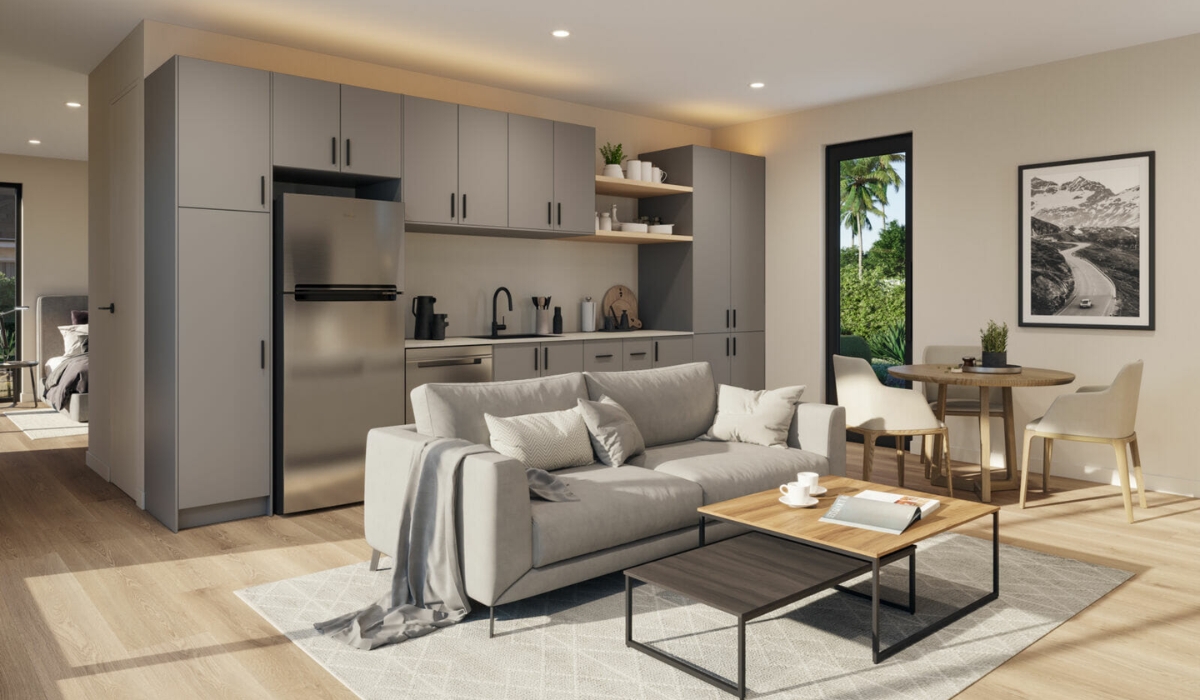
Accessory Dwelling Units (ADUs) — also called granny flats, backyard cottages, in-law suites, or secondary units — present one of the most practical, cost-effective, and legally supported strategies for adding housing capacity, rental income, multigenerational living options, and property value in Granite Bay, California. Because Granite Bay is governed by Placer County land-use and building regulations, prospective ADU builders must navigate both California statewide ADU law and Placer County’s specific permitting programs, including a 2025 Master ADU pre-approval initiative that streamlines plan review. This article walks owners and project teams through the full lifecycle of an ADU project in Granite Bay: feasibility, local rules and limits, design choices, permitting and inspections, utility coordination, cost drivers, financing options, construction delivery, and long-term management. Practical checklists, recommended next steps, and common pitfalls are included.
Why build an ADU in Granite Bay?
Granite Bay homeowners consider ADUs for several high-impact reasons:
-
Income generation. A permitted ADU can provide stable rental income which offsets mortgage payments and increases long-term net worth.
-
Flexible housing for family. ADUs support aging-in-place, student housing for children, or care for elderly relatives without relocating the family.
-
Property value and marketability. An ADU increases usable square footage and market appeal, often producing outsized value uplift relative to construction cost.
-
Community and policy alignment. California has encouraged ADU construction to increase housing supply; Placer County has adopted programs and pre-approved plans to lower barriers. placer.ca.gov+1
For builders and investors, Granite Bay’s desirable location, good schools, and generally high home values make ADUs an attractive investment. However, local site constraints (slope, trees, Wildland-Urban Interface — WUI — setback requirements) may require customized design and mitigation.
Regulatory framework — State law and Placer County specifics
Understanding the legal ground rules is the foundation of a successful project. ADU law is governed by both California state statutes (which have progressively liberalized ADU development) and Placer County zoning, building, and utility requirements.
Key Placer County facts you must know:
-
Permitting & County resources. Placer County maintains an ADU program with guidance, a team for support, and published “Accessory Dwelling Unit 101” resources that map the typical workflow (Kickoff → Design → Permits → Construction). The county also offers pre-reviewed ADU plans to shorten plan check timelines. placer.ca.gov+1
-
Master ADU Program (AB 1332 compliance). Placer County launched a Master ADU program (accepting applications beginning January 1, 2025) to offer pre-approved ADU master plans under AB 1332, which can reduce design time and plan review delays. placer.ca.gov
-
Unit counts and size limits. For most residential parcels in Placer County: one ADU and one Junior ADU (JADU) are allowed in addition to the primary dwelling; detached ADUs may be up to 1,200 sq ft, and attached ADUs generally may be up to 50% of the primary dwelling’s square footage; JADUs are capped at 500 sq ft. Local rules vary for special zones (Tahoe basin, rural parcels, lots subject to TRPA). Confirm the parcel zoning and standards early. placerair.org+1
Action item: Early in the planning stage, contact Placer County Building/Planning (or use their online ADU resources) to confirm parcel-specific allowances, required documents, and whether your property qualifies for a pre-approved plan.
Feasibility and site assessment
Before you hire an architect or contractor, perform (or commission) a feasibility assessment that covers:
-
Zoning and setbacks. Check the residential zoning for your lot, setbacks to property lines, and any overlays (WUI/fire severity, floodplain, conservation easements).
-
Parcel services. Confirm existing water and sewer connections (or septic adequacy). Placer County requires adequate sewer/water service — some rural lots may need upgrades or alternative wastewater solutions.
-
Slope, trees, and site constraints. Steep slopes, protected trees, drainage patterns, and access for construction equipment can materially change cost and timeline.
-
Neighborhood restrictions / CC&Rs. While state law limits HOA/CC&R powers regarding prohibitions on ADUs, some design or placement aspects may still require notice or coordination. Investigate CC&Rs early. placer.ca.gov+1
-
Utility capacity. Check electrical panel capacity and gas service. Utility upgrades are a common hidden cost and source of delays (see Utilities section). San Francisco Chronicle
Deliverable: A one-page feasibility memo listing constraints, required variances (if any), and high-level cost estimates.
Design choices and typologies
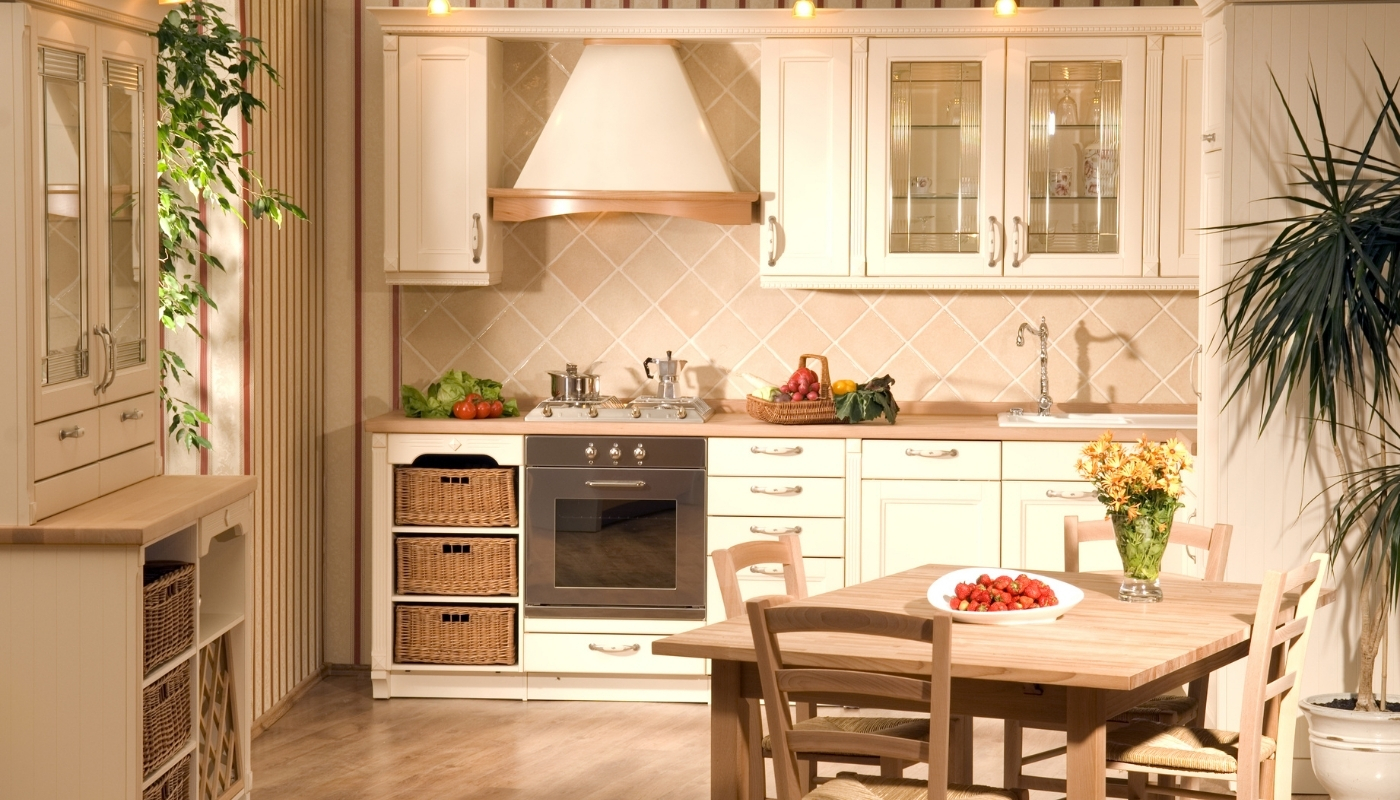
ADUs in Granite Bay tend to fall into several typologies; selection affects cost, permitting path, and livability.
-
Detached backyard cottage (detached ADU). Typically built in the rear yard or above a garage — offers privacy and market appeal. Maximum detached size in county often 1,200 sq ft (confirm local rules). placerair.org
-
Attached ADU (addition or conversion). An addition onto the primary residence or conversion of existing footprint (garage, basement). Usually limited to 50% of home’s floor area if attached. placerair.org
-
Garage conversion. Economical if the garage can be repurposed. May have limited bedroom count and parking implications.
-
Junior ADU (JADU). Typically within the footprint of the main home, up to 500 sq ft, designed for single occupant or studio use. placerair.org
-
Modular / prefab ADUs. A rapidly growing option: off-site modules assembled on site reduce onsite labor time and may integrate with pre-approved plans available from Placer County. placer.ca.gov
Design considerations
-
Access and parking. California’s recent ADU law reduced off-street parking requirements in many contexts, but property-specific conditions (steep driveway, narrow alley) still matter. Provide safe, accessible paths and consider ADA adaptability.
-
Privacy and massing. Respect neighbors’ sightlines and privacy with careful window placement and landscaping.
-
Energy efficiency & Title 24. ADUs must meet California energy code requirements (Title 24). Early coordination with an energy consultant or the design team reduces rework.
-
Fire hardening (WUI). Granite Bay has areas close to wildland interface; use ember-resistant siding, non-combustible decking, and defensible space measures where required.
-
Universal design. Consider single-level layouts or design elements that can be easily modified for aging occupants.
Pre-approved plans and design acceleration
Placer County’s Pre-Approved ADU Plans and Master ADU Program are intended to remove friction from permit review: if your lot conforms to the assumptions of a pre-approved plan, plan check is dramatically simplified. Using one of these plans can save weeks or months in plan review and reduce design fees. placer.ca.gov+1
When to use a pre-approved plan:
-
You have a relatively standard lot with typical setbacks and utility access.
-
You want predictable costs and a faster permitting timeline.
-
You accept limited customization to keep the plan within the pre-approved envelope.
When to customize:
-
Non-standard topography, specific aesthetic goals, or when size/layout must be tailored for multigenerational use.
Permitting process — step-by-step
Permitting is where many ADU projects stall if the process isn’t anticipated. Placer County’s ADU workflow typically follows these stages: Kickoff → Design → Permitting → Construction. Below is an expanded, pragmatic sequence.
-
Kickoff / Pre-application meeting. Meet with Placer County’s ADU team or planning staff to present the site and intended ADU type. Use this meeting to confirm jurisdictional requirements and whether pre-approved plans apply. placer.ca.gov
-
Schematic design & site plan. Produce a site plan showing lot lines, setbacks, existing structures, driveway/parking, utility connections, and proposed ADU footprint.
-
Detailed plans & code compliance. Prepare architectural plans, structural engineering, energy compliance forms (Title 24), and any specialized reports (geotechnical, septic evaluation, or WUI/fire protection).
-
Submittal for plan check. Submit through Placer County’s portal or office. If using a pre-approved plan, include the plan ID and confirmation of site conformance.
-
Plan review and corrections. Expect at least one round of comments. Using pre-approved plans may cut this time.
-
Permit issuance and conditions. Upon approval, pay fees and receive building permits; schedule inspections.
-
Construction inspections. Building inspection sequence typically includes footing, framing, electrical/mechanical/plumbing rough-ins, insulation/energy inspection, and final occupancy sign-off.
-
Final occupancy / utility hook-ups. Once all inspections pass and utilities are connected, obtain final approval and occupancy permit.
Timing note: A typical timeline from schematic design to permit issuance for a custom ADU is often 3–6 months (faster with pre-approved plans). However, utility service upgrades, environmental reviews, or discretionary approvals can extend this timeline. Also be mindful of potential delays with utility providers (see Section 9). placer.ca.gov+1
Construction delivery and cost drivers
Typical construction approaches
-
Design-bid-build. Traditional route: you design, solicit bids, select contractor. Greater cost certainty up front, but longer duration.
-
Design-build. Single entity handles design and construction; can improve schedule and conflict resolution but requires careful selection to avoid scope creep.
-
Turnkey/prefab contractor. Some firms offer turnkey services, including modular units installed on site — often the fastest route.
Primary cost drivers
-
Foundation and grading. Steep or constrained lots increase costs for excavation, retaining walls, and engineered foundations.
-
Utilities and connections. New water/sewer hookups, sewer lateral upgrades, or septic modifications can be costly.
-
Structural complexity. Detached multi-story ADUs or ones with garages below require more engineering.
-
Finish level and systems. High-end finishes, extensive cabinetry, and premium HVAC/electrical increase cost per square foot.
-
Site access and logistics. Narrow properties, gated entries, and tree protection increase labor and time.
-
Fire mitigation. Where WUI requirements apply, fire-resistant siding, dual-pane non-combustible windows, and sprinklers (if required) add cost.
Ballpark budgeting (illustrative)
-
Low-end / garage conversion: $80–$180 per sq ft (basic finishes, minimal structural work).
-
Mid-range detached ADU: $200–$350 per sq ft (conventional stick-built, moderate finishes).
-
High-end / complex site or custom finishes: $350–$600+ per sq ft.
Utilities, inspections, and a major source of delay: coordinating with service providers
ADU projects hinge on reliable utility coordination. Permits and inspections often require approvals from:
-
Water provider (city or county district).
-
Sewer authority or septic compliance.
-
Electric utility (PG&E for Granite Bay area).
-
Gas company (if using natural gas).
-
Telecommunications / broadband.
Utility delays — a practical warning: Across California, ADU builders have reported slowdowns tied to electric utility service upgrades and interconnection design times. Notably, delays with Pacific Gas & Electric (PG&E) have been reported by builders and homeowners as a leading cause of extended ADU timelines — in some regions these delays have persisted for months. Proactive engagement with utilities and early submission of service upgrade requests reduces risk; plan backup power or phased electrical upgrades when feasible. San Francisco Chronicle
Inspection cadence and coordination: Schedule inspections early and confirm inspector availability. Systems that require third-party testing (e.g., septic, energy compliance) should be prearranged so you can submit required reports with the permit application when possible.
Financing, incentives, and economics
Financing options
-
Home equity loan / HELOC. Common route — leverages existing home equity; interest rates and terms vary.
-
Construction loan converted to a mortgage. Useful for larger ADUs or when the owner lacks sufficient existing equity.
-
Cash / savings. Best for avoiding finance costs but may not be available for many owners.
-
Owner financing / PACE financing. Property Assessed Clean Energy (PACE) programs may finance energy upgrades tied to ADU efficiency features but require careful consideration because repayment is via property tax assessments.
Grants, fee waivers, and local incentives
-
State and local fee reductions. California law and local programs have reduced or eliminated some ADU fees — Placer County notes that state legislation has significantly reduced fees and that pre-approved plans can save time and money. Investigate county guidance for fee waivers or energy efficiency incentives. placer.ca.gov+1
Economic modeling
When evaluating feasibility, build a 10-year pro-forma that includes:
-
Construction cost and financing cost.
-
Expected rental income (market rents in Granite Bay).
-
Operating expenses and property taxes.
-
Vacancy assumptions and capital replacement reserve.
-
Potential appreciation of the combined property.
A well-executed ADU often shows strong return on investment in high-demand markets; however, accurate local rent data and conservative vacancy assumptions are essential.
Selecting a contractor and professional team
A competent team typically includes:
-
Architect / designer familiar with Placer County ADU rules and Title 24 compliance.
-
Structural engineer when modifications or new foundations are required.
-
Licensed general contractor experienced with local inspections and grading rules.
-
Civil/SE/Geotech consultants as site conditions demand.
-
Energy consultant / HERS rater for Title 24 compliance.
Contractor selection best practices
-
Require three references for ADU projects completed in Placer County (ask for permit numbers and contact information).
-
Verify license status and insurance through the California Contractors State License Board.
-
Use a written contract with clear scope, payment milestones, change order procedure, and warranty terms.
-
Ensure the contractor will manage permit submittals and coordinate inspections (or explicitly define owner vs. contractor responsibilities).
Typical timeline and milestones
Timelines vary widely. A representative schedule for a mid-range detached ADU using a custom design:
-
Feasibility & pre-application: 2–4 weeks
-
Design & engineering: 4–12 weeks (shorter if using a pre-approved plan)
-
Plan check and permitting: 6–16 weeks (depends on plan complexity, corrections, and utility coordination)
-
Construction (sitework to finish): 8–20 weeks (site conditions and weather dependent)
-
Inspections & final occupancy: 2–4 weeks after finishing work
Total estimated duration: 5–12 months from kickoff to occupancy for most custom projects; pre-approved plans and modular options can compress this materially. Remember to factor in utility lead times which can add months if service upgrades are required.
Common pitfalls and how to avoid them
-
Underestimating utility upgrade needs. Action: engage PG&E and water/sewer providers during schematic design and budget for potential panel upgrades or service extensions. San Francisco Chronicle
-
Skipping pre-application or site review. Action: schedule a county pre-application meeting to capture unusual parcel constraints. placer.ca.gov
-
Assuming CC&Rs are irrelevant. Action: review HOA covenants and seek legal advice if they impose procedural requirements (even if prohibition is limited by state law). ADU California
-
Poor contractor vetting. Action: check permit history and references; require insurance and licensing proof.
-
No contingency planning. Action: include 10–20% construction contingency and permit time buffer.
Maintenance, management, and lifecycle considerations
Once the ADU is complete and rented (if you choose to rent), consider:
-
Property management. Decide whether you will self-manage or hire a local property manager. Factor in vacancy, maintenance reserves, and tenant screening.
-
Insurance. Update homeowner and rental insurance policies to reflect the ADU and its use (short-term rentals often require special coverage and may be restricted).
-
Operational costs. Estimate utilities (if owner-paid), garbage, landscaping, and periodic systems servicing (HVAC, plumbing).
-
Tax implications. ADU rental income is taxable; maintain records for depreciation and expenses. Consult a tax advisor to optimize treatment and understand local property tax adjustments.
Legal and HOAs — what to expect
California state law limits the degree to which HOAs can prohibit ADUs, but HOAs may require reasonable design and location standards. Legal counsel experienced with California ADU statute and Placer County practice can help resolve disputes and interpret CC&Rs.
If you intend to use the ADU as a short-term rental, confirm local rules; some counties and municipal jurisdictions restrict short-term rentals or require registration and transient occupancy taxes.
Example project templates (practical configurations)
Below are three hypothetical but realistic ADU configurations tailored to Granite Bay properties. Use these as starting blocks for conversations with designers.
A. Garage conversion JADU (budget-conscious):
-
Footprint: existing 400–600 sq ft garage converted to studio with kitchenette and bathroom.
-
Cost profile: lower foundation cost, moderate finish costs.
-
Pros: fastest permitting path if no structural change; preserves lot.
-
Considerations: may eliminate covered parking; check parking rules.
B. Backyard detached cottage (mid-range):
-
Footprint: 700–900 sq ft single story, one bedroom + den, full kitchen, bathroom.
-
Cost profile: moderate sitework; desirable rental/market appeal.
-
Pros: full privacy; marketable to long-term renters or family.
-
Considerations: requires new foundation, utility runs, possibly tree work.
C. Two-story detached with ADU above garage (higher budget):
-
Footprint: combined garage footprint + ADU above (1,000–1,200 sq ft).
-
Cost profile: higher structural and foundation costs; premium finishes typical.
-
Pros: maximizes living area on small lots; separate parking below.
-
Considerations: structural engineering and possible increased energy code requirements.
Resources and next steps (practical checklist)
Immediate next steps for Granite Bay homeowners:
-
Pull parcel information: zoning, lot size, property specifics (via Placer County parcel search).
-
Schedule a Placer County ADU pre-application meeting or contact the ADU team. placer.ca.gov+1
-
Get a site survey and utility locate.
-
Evaluate pre-approved plans from Placer County for fit and cost savings. placer.ca.gov
-
Obtain 2–3 contractor bids (or a design-build proposal) and identify a financing route.
-
Start utility coordination with PG&E and water/sewer provider as soon as preliminary plans are available. San Francisco Chronicle
Key Placer County resources to bookmark:
-
Placer County Accessory Homes main page and ADU 101 (for program info and contact). placer.ca.gov+1
-
Placer County Pre-Approved ADU Plans (Master ADU program info).
Conclusion
Constructing an ADU in Granite Bay is a compelling opportunity to increase property utility, generate income, and support household flexibility. Placer County has taken concrete steps to streamline ADU production — notably through pre-approved plans and a Master ADU program — but local conditions, utility coordination, and site-specific constraints will determine the actual cost, schedule, and complexity. The single best investment you can make early in the process is due diligence: confirm parcel-specific regulations with Placer County, assess utilities and site constraints, and select professionals with local ADU experience. With that foundation, an ADU project in Granite Bay can be delivered efficiently, legally, and profitably.