
Introduction
What Is an ADU?
Public Policy and Housing Context in Folsom
Legal and Regulatory Framework
The ADU Planning and Permitting Process in Folsom
Design Considerations for ADUs
Construction and Cost Considerations
Tenancy and Use Restrictions
Challenges and Solutions in ADU Development
Case Studies and Hypothetical Scenarios
Incentives and Future Outlook
Conclusion
Accessory Dwelling Unit Construction in Folsom, CA: A Comprehensive Guide
Accessory Dwelling Units (ADUs) have emerged as a strategic housing solution across California, and Folsom—an increasingly vibrant community in Sacramento County—is no exception. ADU construction presents opportunities for property owners to maximize space, provide multigenerational living options, generate rental income, and contribute to alleviating the region’s housing shortage. This article provides a full exploration of ADUs in Folsom, detailing legal frameworks, planning and permitting processes, design parameters, construction considerations, financing strategies, market implications, and operational best practices.
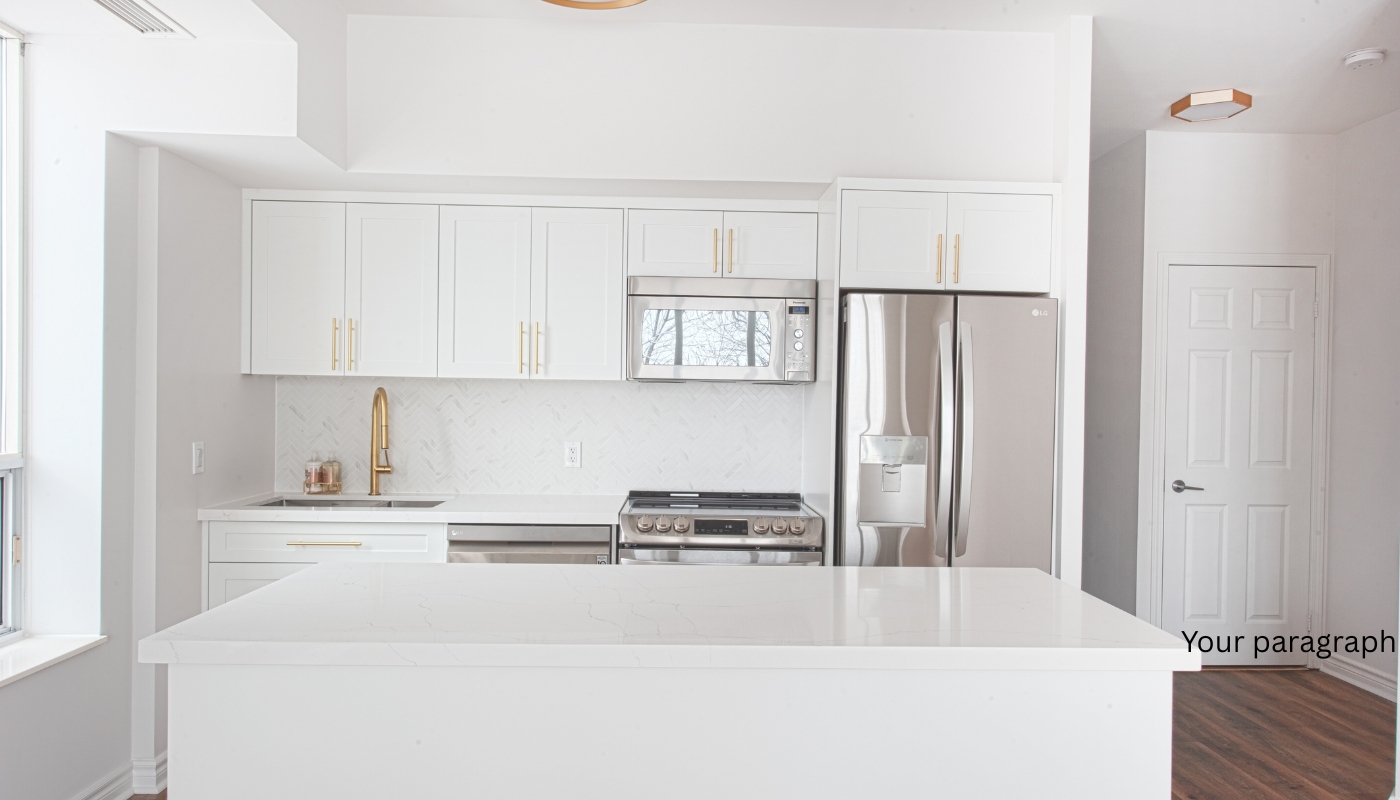
What Is an ADU?
An Accessory Dwelling Unit (ADU) is a secondary, self-contained living unit located on a lot with a primary residence. ADUs include independent facilities for living, sleeping, cooking, and sanitation, and they must have a separate exterior entrance and be built on a permanent foundation. They can be:
-
Detached (a standalone unit),
-
Attached (connected to the primary dwelling), or
-
Converted from existing space such as a garage or attic. Folsom+1
ADUs are sometimes called “granny flats,” “in-law units,” or “backyard cottages.” A related category is Junior ADUs (JADUs), which are smaller units (up to 500 square feet) located entirely within an existing home.
Public Policy and Housing Context in Folsom
The City of Folsom has updated its municipal regulations to encourage the development of ADUs in response to recent state legislation requiring local jurisdictions to permit ADUs as a form of housing by right. The city’s ADU chapter implements California Government Code Sections 65852.2 and 65852.22, which establish a ministerial (non‑discretionary) approval pathway for ADUs when development standards are met. Code Publishing
The local policy context includes:
-
Folsom’s goal of increasing housing options within its General Plan framework.
-
Updated zoning standards that delineate where and how ADUs may be sited.
-
Balance between preserving community character and facilitating additional housing supply.
Historically, ADU permits in Folsom were modest—averaging around five per year prior to 2018—but changes in state law and local policy have increased production, with projections suggesting continued growth in ADU construction. Cal Housing Dept
Legal and Regulatory Framework
3.1. Zoning and Permitted Uses
ADUs are permitted in any residential zone in Folsom (single‑unit, two‑unit, or multi‑unit zones) where a primary residence exists. The ADU ordinance explicitly provides that compliant ADUs:
-
Will not count against allowable density,
-
Will not be deemed inconsistent with zoning, and
-
Are not subject to policies limiting residential growth. Code Publishing
3.2. Definitions under Folsom Code
The Folsom Municipal Code defines:
-
ADU as a complete, independent living unit with kitchen, bathroom, and sleeping space.
-
Detached ADU as one separated from the main dwelling.
-
Attached ADU as one sharing a structure with the primary dwelling.
-
Converted ADU as one repurposed from existing space, including detached structures. Code Publishing
3.3. Size and Setback Standards
In single‑family zones:
-
A detached ADU may be up to 1,000 square feet if it has two bedrooms, or 850 square feet with one bedroom. Side and rear yard setbacks are minimum four feet, and height is capped at 16 feet. Code Publishing
-
Attached ADUs follow similar size limits and minimum setbacks (e.g., 20 feet from the front yard). Code Publishing
Conversions within an existing home typically are not subject to extensive design review beyond building code compliance. Code Publishing
3.4. Additional Standards
Applicable requirements include:
-
Fire sprinklers if required for the primary residence,
-
Direct exterior access,
-
No requirement for passageways or breezeways,
-
ADUs cannot be used as short‑term rentals (less than 30 days) under Folsom rules. Folsom+1
Since January 1, 2025, ADUs established on or after that date must adhere to owner‑occupancy requirements, meaning the property owner must live on the site unless specific exemptions apply. Code Publishing
The ADU Planning and Permitting Process in Folsom
The process of planning and permitting an ADU in Folsom follows structured steps. Understanding these steps early can reduce delays and unforeseen costs.
4.1. Initial Research and Site Evaluation
Before design work begins, homeowners should:
-
Consult the city’s ADU guide and zoning ordinance,
-
Verify parcel zoning,
-
Assess setback, coverage, and height constraints.
Folsom’s website provides resources and checklists to help applicants understand what is required. Folsom
4.2. Architectural Plans and Design
Architectural plans must:
-
Demonstrate compliance with zoning and building codes,
-
Include floor plans, elevations, utility layouts, and site plans showing setbacks and access.
Hiring a qualified architect or designer at this stage improves the likelihood of a smooth review.
4.3. Application Submission
Applications are submitted through Folsom’s ePermit Center. Homeowners can apply for:
-
Ministerial Site Plan Review, and
-
Building Permits concurrently.
Application fees vary based on the size and type of ADU. Very small ADUs (<750 sq.ft.) may be exempt from certain fees, though building permit fees still apply and are calculated proportionally based on the primary dwelling’s fee schedule. MCC Meetings Public
4.4. Plan Review and Approvals
Once submitted:
-
City planners review for zoning compliance,
-
Building plan check reviews for safety and code adherence,
-
Fire and engineering reviews may be required.
Because ADUs are approved ministerially, no discretionary hearings are required if standards are met.
4.5. Issuance of Permits and Construction
Upon approval:
-
Building permits are issued,
-
Construction may begin according to approved plans,
-
Inspections will be required at various stages (foundation, framing, utilities, etc.).
Efficient permit management and communication with the city’s planning and building departments can prevent common pitfalls.
Design Considerations for ADUs
Designing an ADU requires balancing functionality, aesthetics, and compliance with city standards.
5.1. Layout and Space Efficiency
Key design priorities include:
-
Maximizing usable interior space within size limits,
-
Providing adequate natural light and ventilation,
-
Ensuring accessibility and privacy for both ADU and primary dwelling occupants.
Small ADUs often use open‑plan kitchens/living areas and multifunctional spaces to improve livability.
5.2. Architectural Compatibility
Folsom’s design standards require that ADUs larger than 800 square feet and taller than 16 feet incorporate:
-
Complementary building materials and roof forms,
-
Differentiation in wall planes, projections, or recesses,
-
Compatible roof pitch with the main house. Code Publishing
Where ADUs are built in historic districts, additional design standards may apply.
5.3. Utility and Infrastructure Integration
Utilities (water, sewer, electricity, gas) must be connected in compliance with local and state code. Utility planning should occur early to avoid delays. In many California ADU projects, utilities—particularly electrical service installation—can significantly delay timelines if not coordinated proactively with utility providers. San Francisco Chronicle
Construction and Cost Considerations
ADU construction costs have a wide range depending on size, site conditions, finishes, and local market conditions. While Folsom‑specific cost data is limited, industry experience in California generally indicates:
-
Detached ADUs often cost more per square foot than attached or conversion types due to foundation, roofing, and separate systems.
-
Costs may range well into the low‑to‑mid six figures for a standard unit (depending on size and finishes).
-
Pre‑construction planning, site prep, and utility connections can constitute 10–20% of total costs.
Delays in permitting or utility service connections, such as electrical upgrades or trenching for sewer/water, may also contribute to cost increases if not forecasted accurately. Reddit+1
6.1. Financing Options
Financing an ADU can include:
-
Home equity loans or lines of credit,
-
Cash‑out refinancing,
-
Construction‑to‑permanent loans,
-
Specialized ADU financing products offered by local banks.
Some owners leverage rental income projections in loan underwriting.
6.2. Permit and Impact Fees
While ADUs are subject to building permit fees, impact fees are often reduced or waived for very small units. Fee schedules in Folsom are structured to reflect a proportional approach relative to the primary dwelling’s fee if built as new construction. MCC Meetings Public
Operational Impacts: Tenancy and Use Restrictions
7.1. Rental Terms and Owner Occupancy
Folsom prohibits ADUs from being used as short‑term vacation rentals (<30 days), reflecting municipal code restrictions aimed at preserving long‑term housing stock. Folsom+1
Owner‑occupancy requirements apply to ADUs established on or after January 1, 2025, meaning a person with title must occupy either the primary dwelling or the ADU as their permanent residence, with limited exceptions. Code Publishing
7.2. Market Dynamics
ADUs can generate rental income and contribute to affordable housing options in a high‑cost region. They also provide flexibility for aging in place, multigenerational living, or accommodating adult children or caregivers.
Challenges and Solutions in ADU Development
8.1. Common Challenges
-
Utility Delays: Coordination with utilities (especially electrical service upgrades) can slow progress dramatically if not planned well. San Francisco Chronicle
-
Permit Processing Times: Even with ministerial approval, plan check bottlenecks may occur in busy building departments.
-
Construction Costs: Materials and labor inflation increases overall project costs.
-
Design Constraints: Meeting city design standards while maximizing interior space requires careful planning.
8.2. Solutions and Best Practices
-
Engage early with Folsom’s planning staff for pre‑application guidance.
-
Coordinate utility upgrades well before construction.
-
Work with experienced local architects and contractors familiar with ADU requirements.
-
Use modular or prefabricated construction where appropriate to reduce timelines.
-
Prepare thorough, complete permit applications to avoid rejections.
Case Studies and Hypothetical Scenarios
9.1. Small Detached ADU in Historic Area
A homeowner with a 6,000 sq.ft. lot near historic Folsom seeks to build a 750 sq.ft. detached ADU. Compliance includes:
-
Minimum four‑foot setbacks,
-
Heights limited to 16 feet,
-
Complementary architectural elements for historic compatibility,
-
Fire and building code compliance.
Because the unit is under 800 sq.ft., it qualifies for expedited ministerial approval if standards are met.
9.2. Garage Conversion ADU
Converting a detached garage into an ADU can reduce costs by leveraging existing structures. Required work may include:
-
Installing kitchen and bathroom,
-
Upgrading electrical and plumbing,
-
Ensuring permanent foundation compliance.
Conversions often have fewer design restrictions under Folsom’s ordinance.
Incentives and Future Outlook
While direct financial incentives through city programs in Folsom are currently limited, ADUs remain a priority housing strategy at the state level. Policy trends may include:
-
Continued alignment of local ordinances with state ADU laws,
-
Possible financing support through state housing programs,
-
Increased use of ADUs as part of regional housing strategies.
Cities across California report increased interest in ADU development as a means to address housing supply gaps.
Conclusion
ADU construction in Folsom, California offers a viable and increasingly accessible pathway for property owners to enhance property value, expand housing supply, and support multigenerational living. While the regulatory landscape is shaped by detailed municipal standards, California’s broader policy framework has significantly eased barriers, making ADUs an attractive option.
From an initial feasibility study to final construction and occupancy, success in ADU development requires careful planning, regulatory comprehension, collaboration with professionals, and proactive management of design and construction challenges. With proper execution, ADUs can deliver meaningful benefits—not only for individual homeowners—but also for the community at large, advancing housing availability in Folsom’s evolving residential landscape.