
Introduction
Why build an ADU in Davis?
Types of ADUs and which fit most Davis lots
The regulatory framework — state law vs. local rules
Recent and local changes to know
Permit process in Davis — a practical workflow
Cost expectations and budgeting
Design and construction options
Site, utility, and technical considerations
Timeline — from concept to occupancy
Hiring design professionals and contractors in Davis
Financing the ADU — options and considerations
Sustainability, energy, and resilience strategies
Common pitfalls and how to avoid them
Sample project scenarios
Operating and management considerations
Practical checklist
Where to get help in Davis
Conclusion
Resources
Accessory Dwelling Unit Construction — Davis, CA
Comprehensive guide for homeowners, designers, and builders
This long-form guide walks you step-by-step through planning, designing, permitting, building, and operating an Accessory Dwelling Unit (ADU) in Davis, California. It explains the types of ADUs, the Davis-specific permitting resources and pre-designed plans, recent state law changes that affect local practice, realistic cost ranges and financing options, construction methods (site-built vs. factory prefab), utility and site considerations, contractor selection, typical schedules, common pitfalls, and practical checklists to move from concept to occupancy.
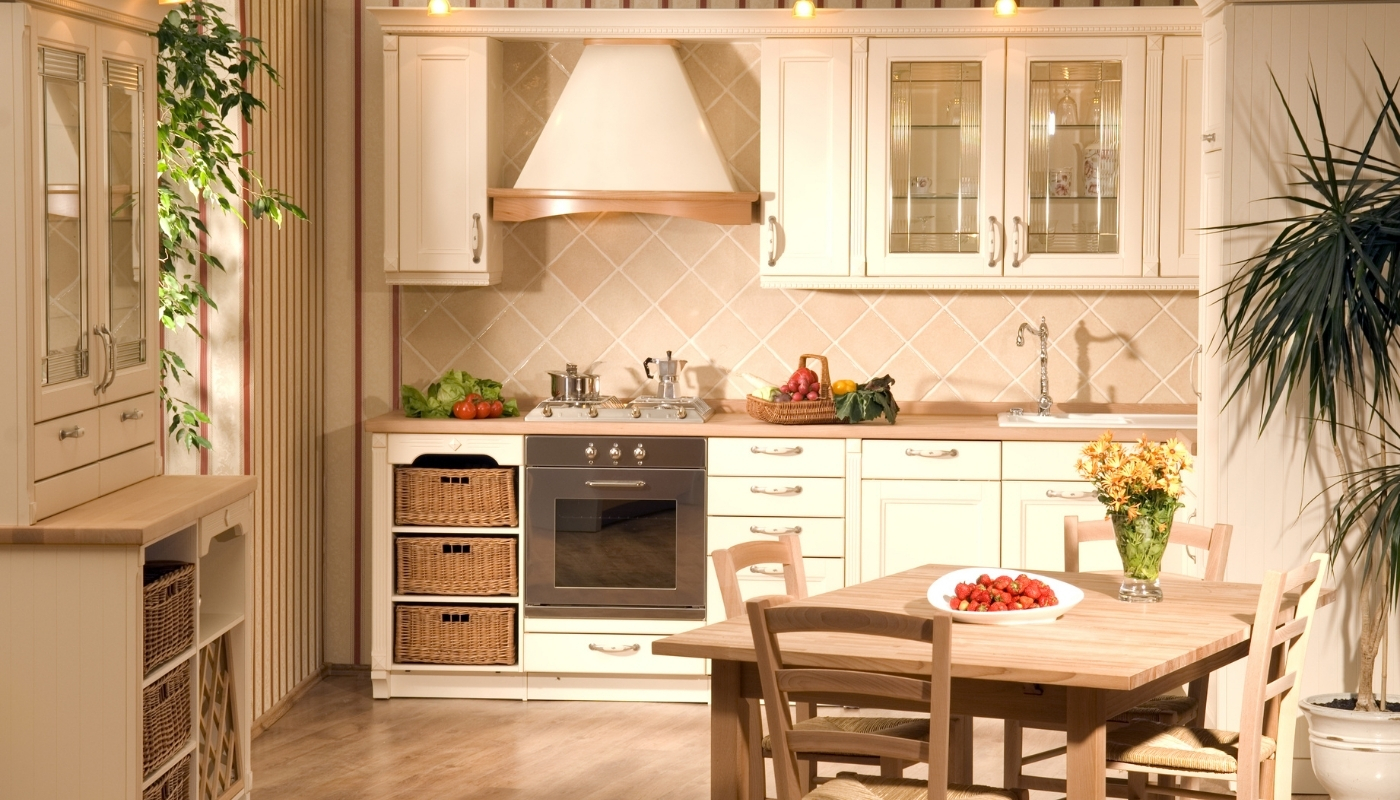
Why build an ADU in Davis? Practical motivations
ADUs are compact, independent dwelling units on the same parcel as an existing single-family or multi-family building. Homeowners in Davis build ADUs to:
-
Create rental income or long-term investment value.
-
House family members (aging parents, adult children) with privacy and proximity.
-
Increase property flexibility and resilience—additional living space for work-from-home, guest housing, or short-term stays (subject to local rules).
-
Support regional housing goals by adding naturally integrated, smaller units to the housing stock.
Because Davis is a college town with strong rental demand and limited infill opportunity, an ADU often provides attractive returns when properly planned and permitted. (Contextual guidance and local resources are available from the City of Davis ADU program.)
Types of ADUs and which fit most Davis lots
ADUs come in several typical forms. Choosing the right type depends on lot size, zoning, existing structures, budget, and desired timeline.
-
Attached ADU: An addition to the existing primary house (new exterior entrance).
-
Detached ADU: A separate building in the backyard; often called a backyard cottage, casita, or granny unit.
-
Garage conversion ADU: Converts an existing detached or attached garage into habitable space. This is frequently the fastest and most cost-effective route.
-
Junior ADU (JADU): A small unit (usually within the existing home) that shares some systems; generally limited in size and subject to different rules.
California and local Davis regulations define allowable sizes, setbacks, and utility rules for these types. Davis maintains guidance and step-by-step resources for each ADU type, including pre-designed plan options to streamline permitting. cityofdavis.org+1
The regulatory framework — state law vs. local rules
3.1 State ADU law: the baseline
Since 2019 California has progressively liberalized ADU rules to encourage small-scale housing production. Recent state legislation (changes effective 2023–2025, including AB and SB amendments) established minimum statewide allowances for ADU sizes, limited local owner-occupancy requirements, and relaxed certain setbacks and parking restrictions. The California Department of Housing and Community Development (HCD) publishes an ADU handbook that summarizes these laws and offers permitting guidance for local agencies. Because state law sets minimums, cities (including Davis) must align their local ordinances with state requirements. hcd.ca.gov
3.2 Davis local implementation and resources
The City of Davis has consolidated ADU guidance, checklists, and pre-designed plan sets on its Community Development/Planning pages. Davis offers resources intended to simplify the permit path—explaining which ADU types qualify for “building permit only” review versus those requiring discretionary review. Importantly, Davis has begun issuing pre-designed ADU plans that can reduce design costs and shorten permit timeframes. The city also publishes planning handouts and application checklists. If you plan an ADU in Davis, start with the City’s ADU webpage and the pre-designed plan inventory. cityofdavis.org+1
Recent and local changes to know (2023–2025)
-
Minimum sizes and owner-occupancy: State law prevents local agencies from imposing owner-occupancy requirements for ADUs approved in certain years and limits overly restrictive maximum sizes for ADUs; consult HCD guidance for the exact statutory language. Changes effective through 2025 have continued to broaden owner flexibility. hcd.ca.gov
-
Pre-designed plans & AB 1332 (2025 reference): California and local updates (including AB 1332, effective January 1, 2025) aimed to make less-expensive design options more available; as a result, Davis is publishing pre-designed “master” ADU plans to accelerate permit issuance and reduce design cost. Check the City of Davis pre-designed plans page for currently available plan sets. cityofdavis.org+1
Takeaway: Laws continue to evolve. For any legally binding or time-sensitive compliance decision—setbacks, parking, fee waivers, owner-occupancy—consult the City of Davis planning staff and the latest HCD guidance before finalizing plans.
Permit process in Davis — a practical workflow
While details vary by project, a typical permit workflow in Davis looks like this:
-
Preliminary feasibility and zoning check. Confirm zoning, lot coverage, setbacks, and whether utilities (sewer, water, gas) can serve a new unit. The City has planning forms and handouts to assist this step. cityofdavis.org
-
Choose a design route. Options: use a Davis pre-designed master plan (faster, lower cost), adapt a stock plan with an architect, convert existing garage, or select a factory-built prefab model. If using a pre-designed plan, obtain the plan set and verify suitability for your site. cityofdavis.org
-
Prepare construction documents. Complete plans, structural calculations, energy compliance (Title 24) documentation, and site utility plans. If using a pre-designed plan, you’ll still need site-specific documentation. cityofdavis.org
-
Apply for permits. Submit to City of Davis building division. Some ADUs can be approved by building permit only; others may require planning review for design or historic considerations. Expect required plan checks (structural, mechanical, electrical, plumbing), and pay applicable fees—however, fee waivers or reduced fees may be available depending on local policy and project size. cityofdavis.org+1
-
Inspections and occupancy. After permits are issued, a typical sequence of inspections occurs. Occupancy is only allowed after final inspection and issuance of a certificate of occupancy or final permit sign-off.
Practical tip: Start conversations with the City early. Davis planning staff can confirm whether your lot qualifies for certain streamlined processes or pre-designed plan usage. cityofdavis.org
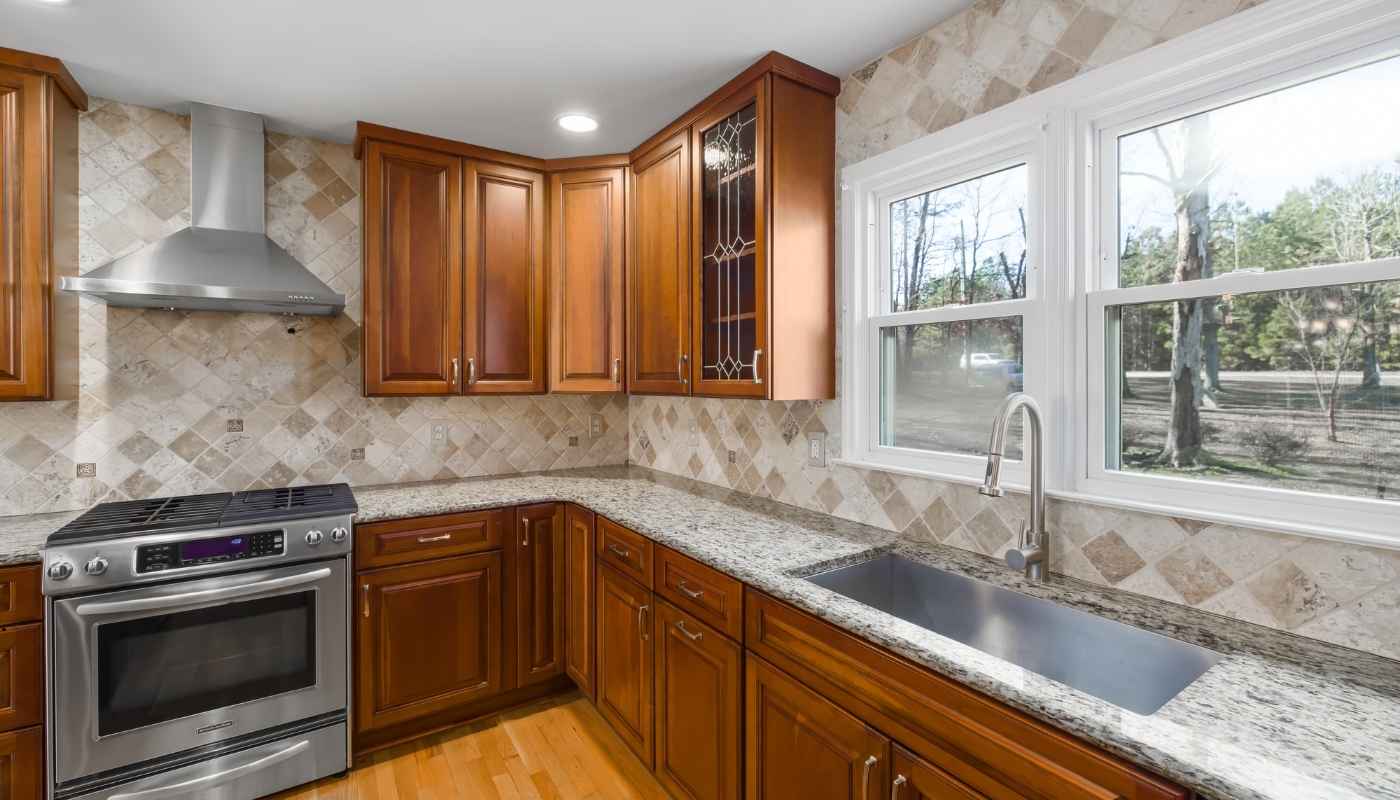
Cost expectations and budgeting (realistic ranges)
Costs vary widely based on ADU type, finish level, site conditions, and whether you use a prefab unit or a full site-built structure. Typical variables:
-
Garage conversions: commonly the least expensive; costs often start in the lower tens of thousands when the structure already has basic utilities and a sound foundation.
-
Attached or detached site-built ADUs: commonly range from roughly $150 to $400+ per square foot depending on finishes, structural work, and site utility extensions. Whole-unit totals for small units often fall between roughly $100,000 and $400,000 in California markets—higher in regions with elevated labor/materials costs. Angi+1
-
Factory-built (prefab/modular) ADUs: base home prices from some manufacturers can start under $100,000 for a shell; turnkey costs (including site work, foundation, utilities, permits, and installation) commonly push the total beyond that. Off-site fabrication often shortens construction time and can reduce some labor cost volatility. Business Insider+1
Budgeting rule of thumb: build a contingency of 10–20% of construction cost for unforeseen upgrades (soil, foundation, utility relocation, code required changes). Always get multiple contractor estimates and verify whether quotes include landscaping, driveways, utility hookups, and impact/permit fees.
Design and construction options — tradeoffs and selection
7.1 Traditional site-built construction
-
Pros: Fully customized floor plans and finishes; easier integration with existing architecture and site grading; potential for higher long-term value if built to high quality.
-
Cons: Longer schedule; more on-site disruption; labor cost volatility.
7.2 Prefabricated / factory-built ADUs
-
Pros: Shorter on-site construction time; factory quality control; predictable floor plans; can be cost-competitive for smaller units. Companies operate turnkey services, including permit support and installation. Examples of business models and unit price ranges are described in national press and industry blogs. Business Insider+1
-
Cons: Transport and site constraints (access for cranes and trucks), foundation and utility work still required on site, limited customization unless you pay up for options.
7.3 Hybrid approach
A common practical approach is a pre-designed plan adapted to site conditions with local contractor build—combining reduced design time with local construction flexibility. Davis explicitly promotes pre-designed plans as a way to reduce cost and accelerate permits. cityofdavis.org
Site, utility, and technical considerations
8.1 Setbacks, eaves, and fire separation
California law sets minimums that local codes interpret. Typical state minimum rear/side setbacks are four feet for many ADUs; however, details (eave projections, fire separation) require plan review. Davis planning staff can confirm how local code applies. Dwellito+1
8.2 Foundation and grading
Detached ADUs typically require a permanent foundation (concrete slab, stem wall, or pier foundation depending on soil and local code). Poor soil or steep grades increase costs significantly.
8.3 Utilities: water, sewer, storm drainage, electrical
-
Sewer/waste: Verify whether the existing sewer lateral can accept an additional dwelling; capacity upgrades or separate laterals may be required.
-
Water: Tap fees or meter upgrades can be material; some cities require separate meters or charge connection fees.
-
Electrical: Confirm panel capacity; many ADU projects require electrical service upgrades and sometimes new transformers in dense clusters.
-
Gas/Mechanical: Plan for HVAC, hot water, and energy compliance (Title 24). New state energy rules increasingly favor electric heat pump systems.
8.4 Parking and access
State law has reduced the ability of cities to require on-site parking in many ADU scenarios, but local circumstances (historic districts, constrained lots) may still trigger parking or design conditions. Consult Davis planning for lot-specific rules. hcd.ca.gov+1
Timeline — from concept to occupancy
Approximate schedule by ADU type (subject to site complexity and permit workload):
-
Garage conversion: 2–6 months (design, permit, construction).
-
Detached site-built ADU: 6–12+ months (design documents, permit review, site work, inspections).
-
Factory-built ADU: 4–9 months (order, off-site manufacture, site prep, delivery, installation, inspections).
Factors that lengthen timelines: discretionary planning review, historic district compliance, utility upgrades, hillside or soils work, extensive neighbor outreach, or long plan check queues. Use Davis pre-designed plans to shorten design and plan-check phases where applicable. cityofdavis.org+1
Hiring design professionals and contractors in Davis
10.1 Roles to consider
-
Architect / designer: For custom ADUs or to adapt a pre-designed plan; ensures code compliance and constructability.
-
Structural engineer: Required for new detached buildings or when altering load paths (especially garage conversions or seismic upgrades).
-
Civil engineer / surveyor: May be needed for site grading, drainage, and utility tie-ins.
-
General contractor / builder: Coordinate trades, pull permits (or act as the permit holder), and manage inspections.
-
Specialty subcontractors: Electrical, plumbing, HVAC, foundation specialists.
10.2 Selection and procurement tips
-
Request three written bids and verify line-item breakdowns (materials, labor, site work, utilities, permits).
-
Check license and insurance (California CSLB license status, workers’ comp, general liability).
-
Review references and past ADU projects—Davis is a specialized market; local experience matters.
-
Consider a design-build firm or turnkey prefab provider for simpler procurement and a clearer single point of responsibility. National and regional prefab providers now offer Davis installations (but verify local permit support and craning/transport costs). Business Insider
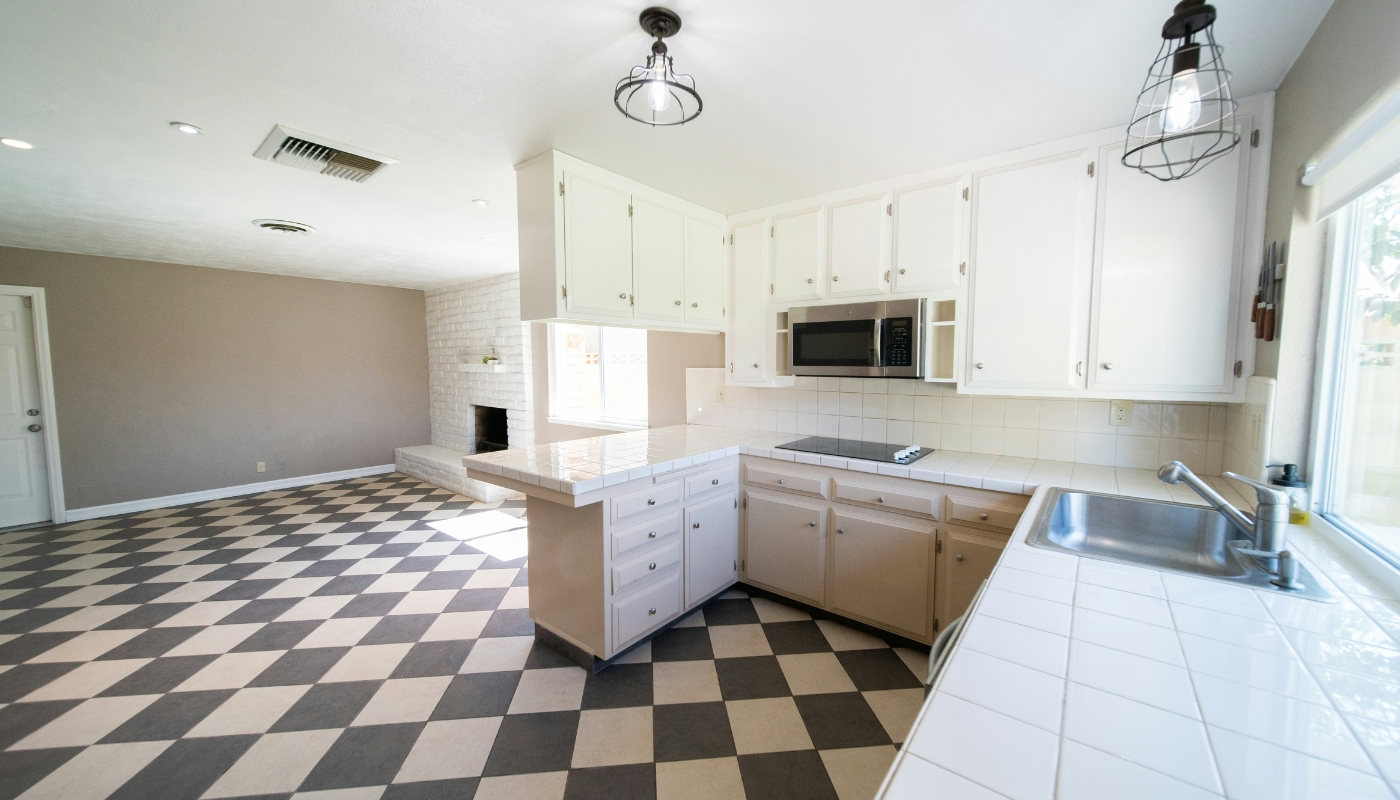
Financing the ADU — options and considerations
Common financing routes include:
-
Home equity line of credit (HELOC) or home equity loan: Often lowest cost but uses your home as collateral.
-
Cash / savings: Avoids interest expense and may speed project procurement.
-
Construction loan or rehab loan: Short-term financing that converts to a mortgage or is paid off at completion.
-
Refinance (cash-out): Refinance the existing mortgage and release liquidity to pay for the ADU.
-
Local/state incentives: Occasionally there are fee waivers, low-interest loan programs, or grants for certain affordable or accessory units; check Yolo County and City of Davis for current incentives.
Evaluate tax considerations and rental income expectations. For income-producing ADUs, lenders may allow projected rental income to support loan qualification in some cases, but policies vary by lender.
Sustainability, energy, and resilience strategies
ADUs are excellent opportunities to integrate high-efficiency systems and durable materials:
-
Electrification and heat-pumps (space and water heating) to meet future energy constraints and reduce greenhouse gas emissions.
-
Solar readiness or rooftop PV to offset operating costs—consider net metering implications and roof orientation.
-
High-performance building envelope (insulation, triple-glazed windows in colder climates) for lower loads and better comfort.
-
Water-efficient fixtures and drought-tolerant landscaping for Davis’ Mediterranean climate.
State and local energy codes (Title 24, local reach codes) may require specific energy measures and dictate HVAC and hot water choices—plan early with your design team. hcd.ca.gov
Common pitfalls and how to avoid them
-
Underestimating site utility costs. Upgrading sewer or electrical service can add unexpectedly large sums. Start with a utility feasibility check.
-
Skipping the pre-permit feasibility study. A quick zoning and site review with the City of Davis prevents wasting design funds on impossible configurations. cityofdavis.org
-
Choosing the wrong contractor or an underqualified builder. Always verify licenses and ADU project experience.
-
Ignoring long-term operational needs. Consider storage, laundry locations, sound separation, and access for future maintenance.
-
Assuming fast approvals. Even with streamlined laws, local plan-check queues or discretionary reviews can introduce delay.
Sample project scenarios (cost/approach examples)
These are illustrative, not quotes. Actual bids will vary widely.
-
Scenario A — Garage conversion (1BR, 500 sq ft)
-
Path: interior conversion, minimal site work, reuse existing utilities (if capacity ok).
-
Typical timeline: 2–4 months.
-
Budget range: $40,000–$120,000 depending on finish level and electrical/plumbing upgrades.
-
Permits: building permit and inspections; possibly minor structural upgrades.
-
-
Scenario B — Detached backyard cottage (600–800 sq ft)
-
Path: use a pre-designed Davis plan, local contractor builds on slab, new sewer lateral and electrical subpanel.
-
Timeline: 6–9 months.
-
Budget range: $150,000–$350,000 depending on site conditions, finishes, and utility work.
-
Advantages: rental income potential; higher customization.
-
-
Scenario C — Factory prefab (440–700 sq ft turnkey)
-
Path: select manufacturer plan, order built modules, prepare foundation and utilities concurrently, crane delivery and installation.
-
Timeline: 4–8 months (manufacture lead time is a key factor).
-
Budget range: $120,000–$300,000+ (site costs and install add to factory price).
-
Advantages: faster on-site time; high quality control; defined cost structure. Business Insider+1
-
Operating and management considerations (if renting)
-
Short-term rentals: Many jurisdictions restrict or regulate short-term rentals; verify Davis rules before listing an ADU on platforms like Airbnb.
-
Lease agreements and landlord responsibilities: Confirm local habitability obligations, insurance, and property management needs.
-
Taxes and reporting: Rental income is taxable; track expenses for depreciation and allowable deductions.
Practical checklist: moving from idea to ribbon-cutting
Pre-design (Research & Feasibility)
-
Confirm zoning and ADU allowances with City of Davis planning. cityofdavis.org
-
Order a property survey if setbacks or lot lines are unclear.
-
Evaluate utility capacity (sewer, water, electrical).
Design & Budget
-
Decide ADU type (garage conversion, attached, detached, prefab).
-
Choose pre-designed City plan or hire design professional. cityofdavis.org
-
Get at least three contractor bids and prepare a contingency.
Permitting
-
Prepare and submit construction documents; coordinate with City plan check. cityofdavis.org
-
Secure utility permits and any necessary easements.
Construction
-
Confirm construction schedule and site logistics (staging, crane access if prefab).
-
Track inspections and resolve corrections promptly.
Close-out & Move-in
-
Receive final inspection approval and certificate of occupancy.
-
Set up utilities, mail, and any rental management systems.
Where to get help in Davis
-
City of Davis Community Development / Planning & Zoning — primary local resource for ADU regulations, pre-designed plans, application checklists, and plan submittal instructions. Start here for permit rules and accepted plan sets. cityofdavis.org+1
-
California HCD ADU Handbook — for statewide legislation, compliance details, and county/city ordinance review. Use this when interpreting state vs. local requirements. hcd.ca.gov
-
Local ADU builders and design firms — Davis’s market includes design/build firms and contractors experienced with local plan check and inspections (search local directories or request referrals from the City). A+ Construction & Remodeling+1
Conclusion — making an ADU work for you in Davis
Accessory Dwelling Units present a practical and increasingly supported way to add housing, generate income, and increase the utility of an existing property in Davis. The environment has become significantly more favorable to ADUs thanks to statewide reforms and local initiatives such as pre-designed plan sets. However, success depends on early due diligence: confirming zoning and utility capacity, choosing the right ADU form, budgeting prudently for site and utility costs, and selecting contractors with local ADU experience.
Start with the City of Davis ADU pages and the HCD handbook, evaluate whether a pre-designed plan meets your needs, then obtain multiple contractor bids and a realistic timeline. With careful planning, an ADU in Davis can be a resilient, long-term asset for your household and the broader community. cityofdavis.org+1
Resources
-
City of Davis — Pre-Designed ADU Plans (available plan sets and instructions). cityofdavis.org
-
California Department of Housing and Community Development — ADU Handbook and recent state law summaries. hcd.ca.gov