
Introduction
What Does “Classic Whole House Remodeling” Mean?
Why Homeowners Choose a Whole House Remodel in Davis
Introducing Remodel California Company
The Planning Phase: Setting the Foundation
The Construction Phase: Bringing the Vision to Life
Design Philosophy: Classic, Timeless, Functional
Specific Considerations for Davis, California
Sample Workflow for a Classic Whole House Remodel
Challenges & How to Navigate Them
Cost & Value Considerations
Introduction
In the city of Davis, California — with its tree-lined streets, historic homes, university-town energy and commitment to sustainability — the idea of a classic whole house remodel takes on special significance. Homeowners here often are looking not simply to update a single room, but to reinvent how the whole dwelling works: to respect the architectural character, enhance livability, modernize systems, improve efficiency, and embed timeless design.
When you engage a seasoned design-build partner like Remodel California, you’re not only tackling a surface redecorating job, but a complete transformation of space, structure and lifestyle.
In this article we’ll explore what “classic whole house remodeling” really means in Davis, CA; why homeowners choose it; how Remodel California approaches the work; the planning, design, construction and finishing phases; key considerations (budget, timeline, permitting, sustainability); and how to ensure that your remodel delivers lasting value.
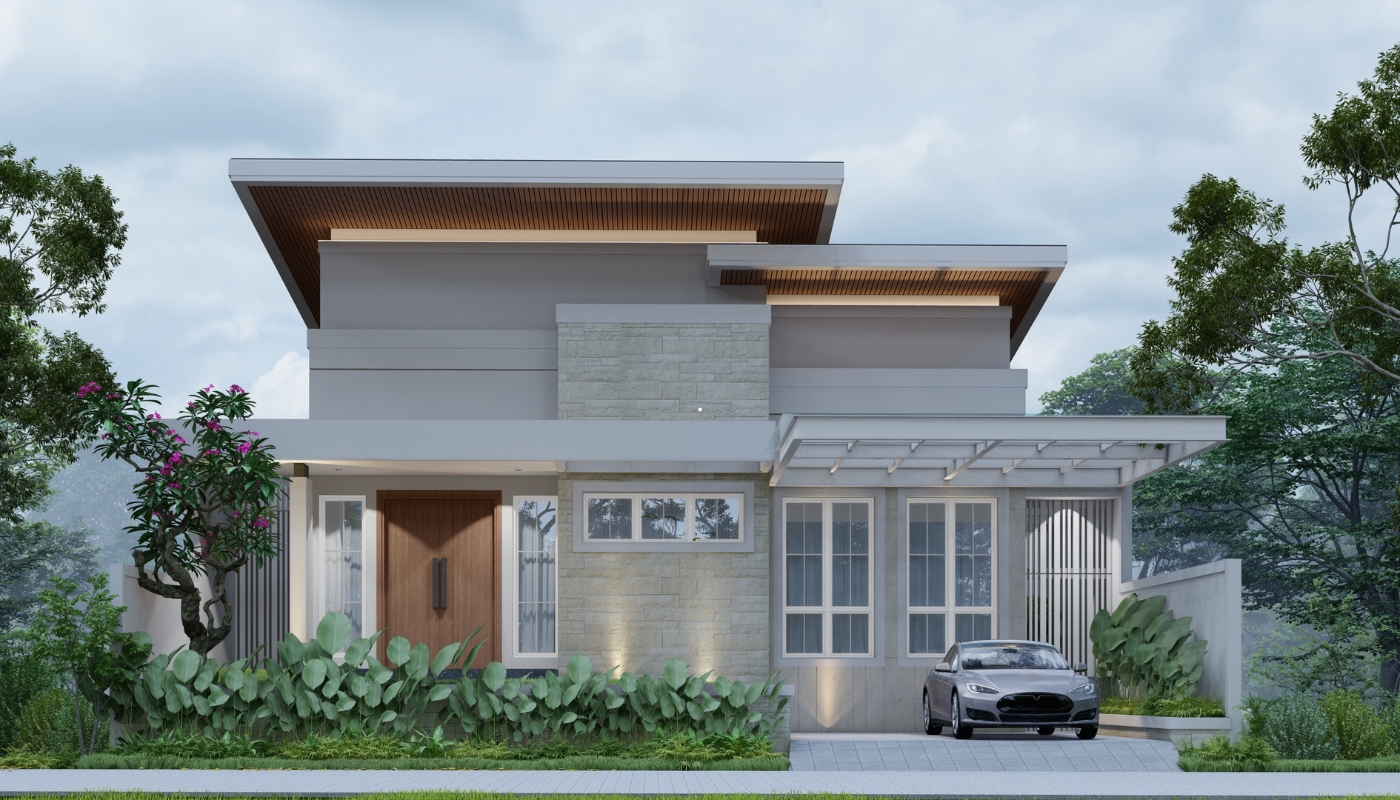
What Does “Classic Whole House Remodeling” Mean?
The phrase “whole house remodeling” conveys a renovation of the entire home as opposed to just one part (a kitchen, bath, or addition). But when we add the word “classic” in the Davis, CA context, a few additional nuances come into play:
-
Respecting architectural context and heritage – Many Davis homes come from mid-20th century, ranch-style, post-war and even older periods. A classic remodel means preserving or evoking elements of the original architecture (roof lines, materials, proportions) while updating for modern life.
-
Timeless design and finishes – Instead of chasing every fleeting trend, the goal is to choose materials, fixtures and finishes that will age well, remain stylish for decades, and retain broad appeal.
-
Comprehensive scope – The entire home (layout, structure, finishes, systems) is addressed in an integrated way, not piecemeal patches. That includes everything from floor plan re-configuration, structural upgrades, mechanical/electrical/plumbing, to finishes, cabinetry, flooring, lighting.
-
Balanced modernization – While the result is refreshed and updated, the remodel honors the home’s character and avoids “over-designing” in a way that disconnects from the neighborhood fabric or the original feel.
-
Long-term value and quality craftsmanship – Because you’re investing in the whole home rather than incremental upgrades, the work aims to deliver higher durability, better performance, and greater resale value.
In Davis, with its mix of historic homes, university influence, and an environmentally-aware community, homeowners expect a remodel that is thoughtful, well-executed, efficient, and enduring.
Why Homeowners Choose a Whole House Remodel in Davis
Many factors drive the decision to undertake a whole house remodel rather than simply move to a new home or do smaller updates. In Davis, some of the key motivators include:
Evolving family needs
As families grow, change or age in place, the layout that once functioned may no longer suit. Maybe you need more open living space, a dedicated office/learning zone, or improved accessibility. A whole house remodel affords the opportunity to re-think the entire flow of the home rather than simply retrofit spaces.
Dated systems and inefficiencies
Homes in Davis may have older HVAC, plumbing, insulation, windows, electrical that do not meet modern standards for performance or code. A full-scale remodel gives the chance to upgrade systems for comfort, energy savings, reliability and safety.
Increase in value and marketability
A comprehensive renovation (done well) can significantly boost the value of the home. For homeowners who plan to stay long-term or sell in future, making the entire home appealing and up-to-date pays off.
Preserve location and community connection
Davis has desirable neighborhoods, walkable amenities, university affiliation, and established roots. Rather than relocating, homeowners often prefer to stay in the area they love and invest in the home they already have, affecting transformation rather than moving away.
Desire for unified design and quality
If you have done several piecemeal remodels over the years (kitchen here, bath there), the result may feel disconnected. A whole-house approach gives a chance for unified design language, consistent finishes, coordinated systems — a holistic vision instead of patchwork.
Sustainability and long-term thinking
With Davis’s environmentally-aware culture, many homeowners see whole-home remodeling as an opportunity to make the home more sustainable — better insulation, efficient HVAC, improved windows, materials with lower environmental impact, smarter layouts that reduce waste.
In taking this step, a trusted partner like Remodel California becomes critical: someone who understands the scope, the codes, the local design context and has the capacity to manage a full-scale transformation.
Introducing Remodel California Company
Remodel California Company is presented on its website as a full-service construction and remodeling firm:
-
They position themselves as “more than just a construction firm – we’re your dedicated partners in transforming houses across California into the homes you’ve always envisioned.” remodel-california.com
-
They offer comprehensive services: kitchen remodeling, bath remodeling, custom cabinets, countertops, tile flooring, ADUs, room additions, home construction. remodel-california.com
-
They emphasize their experience with full-scale home remodels: “From foundation to finishing touches, Remodel California shapes your California sanctuary.” remodel-california.com
-
For the Davis market they offer “Modern Whole House Remodeling in Davis, CA: Redefining Living with Remodel-California” which indicates a specific focus on whole-home renovations in Davis. remodel-california.com
While the website does not provide exhaustive case-studies for Davis specifically, it offers enough insight into their approach to inform what they might deliver. Throughout the rest of this article, we’ll interpret how their offerings map to a classic whole house remodel in Davis, and what homeowners should expect when working with them (or a similar firm).
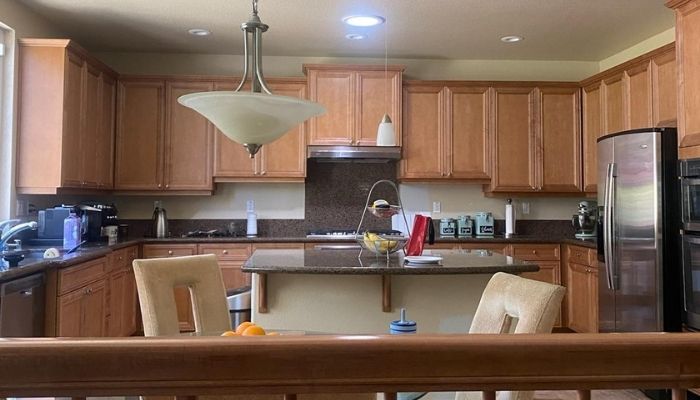
The Planning Phase: Setting the Foundation
A successful whole house remodel begins long before hammers and dust. In fact, the planning phase sets the tone for everything that follows: scope, budget, timeline, team, design vision, permits, constraints and expectations. Here are key steps:
1. Define Goals and Vision
The first step is for the homeowner to articulate why the remodel is being done and what success looks like. Questions include:
-
What are the must-haves vs. nice-to-haves? (e.g., open living, new master suite, second story, larger kitchen)
-
How long do we intend to stay in the home? (This affects return-on-investment vs. purely lifestyle value)
-
What architectural character do we want to preserve or adapt?
-
What level of finish and quality are we targeting? (“Classic”, “mid-range”, “luxury”)
-
Are there sustainability, accessibility or aging-in-place goals?
-
What is the desired timeline? Are there deadlines (e.g., before new school year, relocating)?
Remodel California emphasises guiding the homeowner “from initial design conceptualization to the final exquisite details.” remodel-california.com+1
2. Budget Establishment
Whole house remodels have a wide range of budgets depending on size, scope, quality, and region. In Davis, homeowners should expect that structural changes, system upgrades, finishes and potentially expansion or ADU work will add cost. While site-specific estimates aren’t provided by the Remodel California site, their offering of full-scale transformation suggests a comprehensive budget includes:
-
Design and planning fees
-
Permits and inspections
-
Demolition and structural work
-
Mechanical/electrical/plumbing systems
-
Insulation, windows and exterior envelope
-
Interior finishes (flooring, wall finishes, cabinetry, countertops, tile)
-
Fixtures, appliances, lighting
-
External improvements (landscape, patios, possible room additions)
-
Contingency for unforeseen issues (especially with older homes)
Setting budget ranges early and aligning expectations is critical to avoid budget creep.
3. Site Assessment & Existing Conditions
For many Davis homes, key considerations include: aging mechanical systems, older wiring/plumbing, seismic retrofitting needs (depending on age and zone), historic or neighborhood design constraints, and existing envelope inefficiencies (insulation, windows, air leakage).
A good remodeler will perform a thorough assessment: structural integrity, load-bearing walls, foundation condition, roof condition, insulation and envelope, HVAC/electrical/plumbing infrastructure. Early discoveries often inform the scope and cost.
4. Design Development & Scope Definition
Once goals and budget are aligned, planning transitions into design. This phase includes:
-
Floor plan re-configuration (open concept, relocating walls, adding/removing rooms, re-organising traffic flow)
-
Elevation and exterior work (windows, siding, roof, flashing, outdoor living integration)
-
Material selection and finish palette (flooring types, cabinetry, countertops, tile, lighting fixtures, paint colours)
-
Systems integration (HVAC, electrical, lighting controls, smart-home, plumbing fixtures)
-
Sustainability features (insulation upgrades, high efficiency HVAC, LED lighting, low-flow plumbing, solar readiness, energy-efficient windows)
-
Code review and permitting strategy
Remodel California’s website highlights “smart home integration”, “energy-efficient upgrades”, “open-concept living spaces” as part of their whole house offering. remodel-california.com
5. Permits, Codes & Local Considerations
In Davis, CA, compliance with building codes, zoning, historical guidelines (if applicable), energy codes (Title 24 in California) and neighborhood approvals can be significant. For example, if structural changes are made, if the roof line is altered, or if exterior materials are changed, permits will be required. A seasoned remodeler will manage this process.
Remodel California emphasises their local expertise and ability to blend modern design with community context. remodel-california.com
6. Pre-Construction Planning & Scheduling
Before construction begins, key pre-work includes:
-
Finalising contract, scope, budget and timeline
-
Securing materials and long-lead items (custom cabinetry, appliances, fixtures)
-
Sequencing work: what needs to happen first (structural, envelope, MEP)
-
Setting up logistics: site access, dust control, work zone boundaries, waste disposal
-
Establishing communications plan: who is point-of-contact, frequency of updates, decision-making pathways
Remodel California’s emphasis on “from foundation to finishing touches” signals their commitment to full lifecycle management. remodel-california.com
The Construction Phase: Bringing the Vision to Life
With planning complete, the real transformation begins. In a whole house remodel, the construction phase is extensive and involves multiple trades, tight sequencing, and thoughtful oversight.
1. Demolition & Structural Work
This may include:
-
Removing non-load bearing or load-bearing walls to open up space
-
Removing outdated exterior elements (old siding, windows, roofing, outdated porch or patio)
-
Addressing foundation or framing issues (especially in older homes which may have shifted, settled or been modified over years)
-
Reinforcing structural elements (beams, headers, joists) if new open floor plans are created
-
Temporary weather-proofing / site protection
Because older homes often reveal hidden issues (rot, termite damage, outdated wiring/plumbing), this stage often involves discovery and adjustment. A trusted contractor will build contingencies into the schedule.
2. Building Envelope & Systems Upgrades
Once structural work is complete, the focus shifts to the envelope (exterior interface) and systems. Typical upgrades in a classic whole house remodel include:
-
Exterior insulation, upgraded windows and doors (to improve climate comfort and energy performance)
-
Roofing replacement if needed; flashing, gutters/downspouts
-
Siding or stucco replacement or repair
-
HVAC system replacement or upgrade (furnace, air-conditioning, ductwork)
-
Electrical rewiring (bringing old homes up to code, adding circuits, updated panel)
-
Plumbing system upgrade (new supply/return, replacing galvanized pipes, installing modern fixtures)
-
Insulation improvements (attic, walls, crawlspace)
-
Smart home wiring or controls (lighting, thermostats, security, automation)
Remodel California mentions “energy-efficient upgrades” and “smart home integration” in their whole house remodel offering. remodel-california.com
3. Interior Framing, Rough-Ins & Mechanical Installations
Once the envelope and systems are addressed, interior work proceeds:
-
Framing of any new walls, openings, niches, built-in cabinetry locations
-
Rough plumbing and electrical – placing pipes, wires, conduit, outlets, HVAC vents, ducts, lighting drops
-
HVAC rough-in – ducts, vents, returns, control wiring
-
Inspections – before drywall, various rough-ins must be inspected as per local code
At this stage, coordination is key: mechanical, electrical and plumbing all interweave, and delays or conflicts can impact the timeline.
4. Drywall, Finishes and Interior Fit-Out
Once rough-in passes inspection, interior finishes begin:
-
Insulation (if interior walls) and drywall installation
-
Taping, mudding, sanding and prepping walls
-
Interior painting begins (often first coat or primer)
-
Installing hard surfaces: tile, stone, hardwood flooring, laminate, carpeting (depending on specification)
-
Cabinetry installation: kitchens, bathrooms, built-ins, closets
-
Countertop fabrication and installation (granite, quartz, natural stone)
-
Fixtures installation: lighting, plumbing fixtures, hardware, shelving
-
Millwork: baseboards, door casings, window casings, built-ins, custom cabinetry
Remodel California lists “custom cabinets,” “countertops,” “tile flooring/backsplash” among their services. remodel-california.com
5. Exterior Finishes and Outdoor Integration
For a whole house remodel, exterior and outdoor spaces matter:
-
Final siding/stucco, painting of exterior surfaces
-
Window and door trim, fascia, soffit repair or replacement
-
Patios, decks, outdoor living spaces, landscaping upgrades (if included)
-
Site clean-up, exterior lighting, hardscape elements
Especially in Davis, where outdoor living is valued, the integration of interior-exterior flow is often a feature of whole-house remodels.
6. Final Inspections and Commissioning
Before the home is handed back to the homeowner:
-
Final building inspections (as required by the city/region)
-
Mechanical, electrical, plumbing final tests
-
HVAC commissioning (ensuring new system is balanced and functioning)
-
Punch-list completion (defects or minor issues corrected)
-
Final cleaning and hand-off of warranties, manuals, maintenance instructions
Remodel California’s emphasis on “from foundation to finishing touches” suggests their attention to this final phase. remodel-california.com
Design Philosophy: Classic, Timeless, Functional
A key distinguishing factor in a quality whole-house remodel is the design philosophy. Rather than chasing fleeting trends, a “classic” remodel emphasizes timelessness, flexibility, functionality and quality. Below are key design considerations:
Unified Flow and Spatial Coherence
Having consistent design language and flow across rooms is essential. In many older homes the kitchen, living room, bedroom, bath may feel disconnected. A whole house remodel allows:
-
Harmonising materials (flooring, trim, door styles)
-
Coordinating lighting and fixtures throughout
-
Ensuring transitions (hallways to open living, indoor to outdoor) feel intentional
-
Ensuring furniture/traffic zones are considered in new layouts
Remodel California’s offering of “open-concept living spaces” in their Davis whole house remodel service reflects this. remodel-california.com
Material & Finish Selection
Classic remodeling means choosing materials and finishes that age well and remain in style. For example:
-
Hardwood or high-quality engineered wood floors rather than ultra-trend laminate
-
Neutral colour palette with accents rather than ultra-bright niche colours
-
Classic cabinet styles (shaker, inset) with high-quality hardware
-
Natural stone or quartz countertops that combine durability with aesthetic longevity
-
Tile backsplashes or baths using timeless patterns (herringbone, subway tile, marble mosaic)
-
Simple, well-proportioned windows and doors rather than novelty shapes
Remodel California lists services like “Custom Cabinets,” “Tile Flooring / Backsplash,” and “Countertops.” remodel-california.com+1
Functional Modernization
While the aesthetic is classic, functionality must meet modern standards:
-
Open but still delineated common zones (living, dining, kitchen)
-
Generous daylight and large windows/doors (especially in Davis climate)
-
Smart home wiring, lighting controls, energy efficient HVAC
-
Thoughtful storage solutions – larger closets, built-ins, pantry spaces
-
Flexible spaces capable of adapting over time (home office, guest room, exercise)
Remodel California mentions “smart home integration” and “modern architectural design” in their whole house remodel offering. remodel-california.com
Exterior and Indoor/Outdoor Connection
In Davis, the climate and community favour strong connections between interior and exterior living:
-
Large sliding or folding glass doors leading to patios/decks
-
Covered outdoor living spaces, built-in grills, fire pits
-
Landscaping that complements home design and enhances curb appeal
-
Harmonious siding/trim/roof lines so the exterior complements the neighbourhood
A remodel that only focuses inside misses the chance to fully elevate the home’s presence and value.
Sustainability and Efficiency
Classic design today incorporates sustainable principles:
-
High-performance windows, insulation, efficient HVAC, LED lighting
-
Low-flow fixtures, water-efficient landscaping
-
Use of durable, low-maintenance materials
-
Consideration of future adaptability (aging in place)
Remodel California’s mention of “energy-efficient upgrades” in their Davis offering underscores this. remodel-california.com
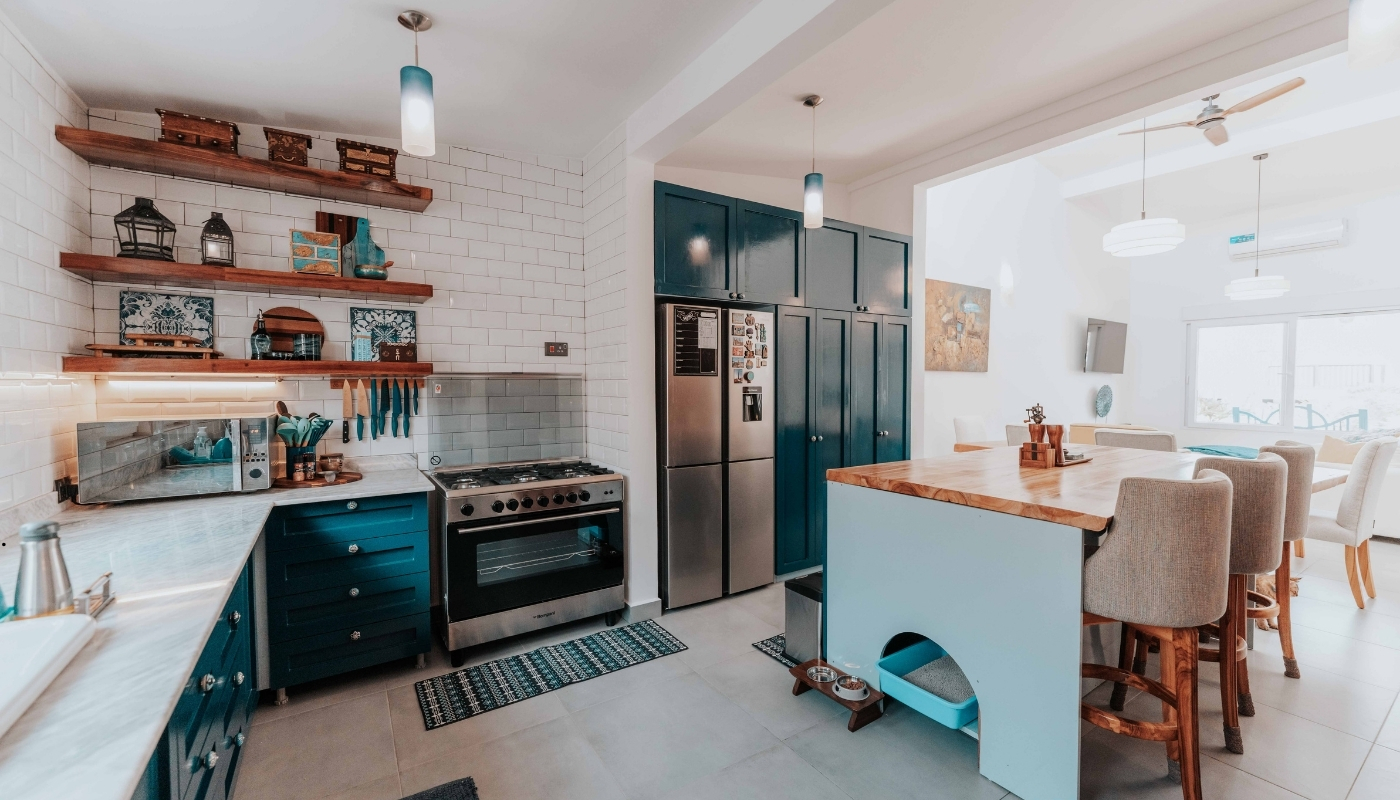
Specific Considerations for Davis, California
When performing a whole house remodel in Davis, CA, there are local and regional factors that homeowners and remodelers should consider.
Climate and Energy Considerations
Davis enjoys Mediterranean-type climate — warm, dry summers, mild winters, plenty of sunshine. For remodeling this means:
-
Large south- or west-facing windows can offer daylight but may increase thermal load—so careful glazing, shading or overhangs matter.
-
Outdoor living is used significantly; patio/deck integration is important.
-
Insulation upgrades, efficient HVAC systems and controlled ventilation help improve comfort while reducing energy bills.
-
Roof overhangs, eaves, sunshades and window orientation should be part of design decisions.
Local Architectural Styles & Neighborhood Context
Davis has a mix of architectural styles: post-war ranch, mid-century modern, craftsman, contemporary infills, university-era homes. A classic whole house remodel in Davis will factor in:
-
Neighborhood context and design guidelines (especially in historic or conservation zones)
-
Roof heights, material continuity, window proportions that fit the block
-
Exterior finishes (siding, brick, stucco, wood) that connect to the era of the home
-
Set-backs, lot coverage, zoning regulations for additions or outdoor structures
Remodel California notes their local expertise: “We understand the unique architectural styles and building codes in Davis, California, allowing us to seamlessly blend new modern designs with the character of the community.” remodel-california.com
Codes, Permits & University Area Considerations
Because Davis is a university town (with University of California, Davis), and many homes may be in older neighborhoods with specific zoning overlays, special permit or design review considerations can apply:
-
If structural changes or additions are made, Building Division permits are required.
-
If the home is in a historic district, additional design review may apply.
-
Energy compliance under California’s Title 24 must be addressed (insulation, windows, HVAC).
-
If adding or converting a room to a rental or second unit (ADU), compliance with ADU regulations is relevant. Remodel California offers ADU construction among services. remodel-california.com
Budget Realities in Davis
Davis housing and construction costs may be higher than in less-competitive markets, due to house values, demand, and local regulations. It’s important to factor in:
-
Premiums for skilled labour and quality materials
-
Potential unforeseen costs in older homes (asbestos, lead paint, outdated systems)
-
Contingency funds for surprises
Homeowners should plan realistic budgets according to home size, scope of work, finish level.
Timeline & Disruption
Whole house remodeling is disruptive: Almost every room may be affected, you may need temporary accommodation or live around construction zones. Good planning includes:
-
Sequencing of work to minimise downtime in critical living spaces
-
Clear communication with contractor regarding staging and schedule
-
Temporary kitchen or bathroom arrangements if needed
Remodel California’s full-service scope suggests they manage such complexity.
Sample Workflow for a Classic Whole House Remodel with Remodel California
Below is a hypothetical workflow illustrating how a homeowner in Davis might engage Remodel California (or a similar firm) to execute a classic whole house remodel.
Step 0: Initial Contact & Discovery
-
Homeowner finds Remodel California’s website, sees they offer whole house remodels in Davis.
-
Homeowner initiates contact (phone: 916-330-9886, email: info@remodel-california.com) per their website. remodel-california.com
-
Initial meeting: Remodel California team visits the home, discusses homeowner’s vision (open concept living, new master suite, improved outdoor connection, sustainable upgrades), reviews budget expectations and timelines.
-
Remodel California reviews existing conditions: home age, structural status, systems, likely constraints (lot size, zoning, neighborhood design).
Step 1: Concept & Design
-
Design team develops concept drawings for proposed layout: perhaps removing non-load bearing wall between kitchen and living, relocating master suite to rear, adding sliding glass doors to patio, upgrading exterior facade.
-
Material palette is proposed: hardwood floors, shaker cabinetry, quartz countertops, neutral paint tones, LED lighting, high-efficiency HVAC and windows.
-
Client reviews, refines choices: cabinetry style, flooring species, outdoor patio design, smart-home controls.
-
Remodel California provides preliminary cost estimate and schedule.
Step 2: Contract & Pre-Construction
-
Once design and budget are approved, contract is signed. Scope, cost, schedule, payment milestones, change-order process and contingency fund are clarified.
-
Permitting begins: structural drawings, mechanical plans, energy compliance documentation (Title 24), any zoning/ADU permits if involved.
-
Long-lead items (custom cabinetry, appliances, windows) are ordered.
-
Site logistics are planned: staging area, dust control, temporary living arrangements if needed (“kitchen closed for X weeks”, etc).
-
Demo schedule is communicated to homeowner.
Step 3: Construction
-
Demolition begins: removal of select walls, cabinetry, old finishes, old HVAC/plumbing/electrical where required.
-
Structural work as needed: new beam installed, header supported, load bearing changed as needed by design.
-
Building envelope upgrades: new windows, siding, insulation, roofing work, exterior doors.
-
Rough-ins for MEP: new ductwork, new wiring, new plumbing, smart-home sensors/wiring.
-
Interior framing: new walls, niches, built-in cabinetry frames.
-
Drywall, insulation, interior painting begins.
-
Flooring installation (hardwood or engineered wood) proceeds.
-
Cabinetry and countertops installed.
-
Tile work: bathrooms, backsplash.
-
Fixture installation: lighting, plumbing, hardware.
-
Exterior finishing: patio doors, decking, outdoor lighting, hardscape.
-
Systems commissioning: HVAC balancing, checks, final inspections.
Step 4: Finishing & Hand-Over
-
Final painting/touch-ups, trim finishing, hardware finalisation.
-
Final cleaning, site clearance.
-
Homeowner walkthrough: punch-list items logged, remodeler addresses minor defects.
-
Final inspections completed with local authorities.
-
Owner receives manuals, warranties, maintenance instructions.
-
Proposal for ongoing maintenance or future phase (e.g., ADU, landscaping) may be discussed by Remodel California.
Step 5: Enjoyment & Value Realisation
-
Homeowner begins living in the newly remodeled space: wider open living/dining/kitchen, new master suite, improved daylighting, connection to patio, efficient systems, smart controls.
-
Because the design was classic and materials high quality, the home will retain its appeal and performance for years.
-
Should homeowner sell in future, the whole-house remodel will significantly enhance marketability and value.
Challenges & How to Navigate Them
While a whole house remodel offers great opportunities, it is not without challenges. Below are common issues and ways to mitigate them.
Unforeseen Conditions
Especially in older homes, unexpected structural or system issues may surface (rotted framing, termite damage, outdated wiring/plumbing, hazardous materials). Solution: include a contingency budget (typically 10-20%), hire an experienced contractor like Remodel California to uncover issues early, schedule realistic buffer time.
Budget Creep
As finishes are upgraded or changes requested, cost can escalate. Mitigation: prioritise must-haves vs. wants early, commit to selections on time, use change-order process judiciously, and maintain communication about budget trade-offs. Remodel California’s approach emphasises guiding clients through selections and ensuring alignment with vision. remodel-california.com+1
Timeline Delays
Delays can result from material lead times, permitting issues, unexpected discoveries, weather, subcontractor scheduling. Mitigation: choose a contractor with strong project management skills, keep communication transparent, plan for buffer time, lock in long-lead items early.
Living Through Construction
Whole-home remodels disrupt daily life. Options include: living elsewhere during heavy demolition, closing off zones in stages, creating temporary kitchen or bath. Remodel California’s full-service model is well-suited to manage the client experience through disruption.
Design Overload
With many decisions (flooring, tile, cabinetry, appliances, lighting, doors, windows), homeowners can get overwhelmed or make poor choices. Solution: rely on team expertise (Remodel California offers design support), prioritise selections, maintain consistent design language, avoid too many “designer distractions”.
Permitting and Code Compliance
Mis-steps can lead to rework or fines. Choose a contractor with local expertise; ensure submission of correct documents; maintain communication with city inspectors. Remodel California emphasises their local Davis context knowledge. remodel-california.com
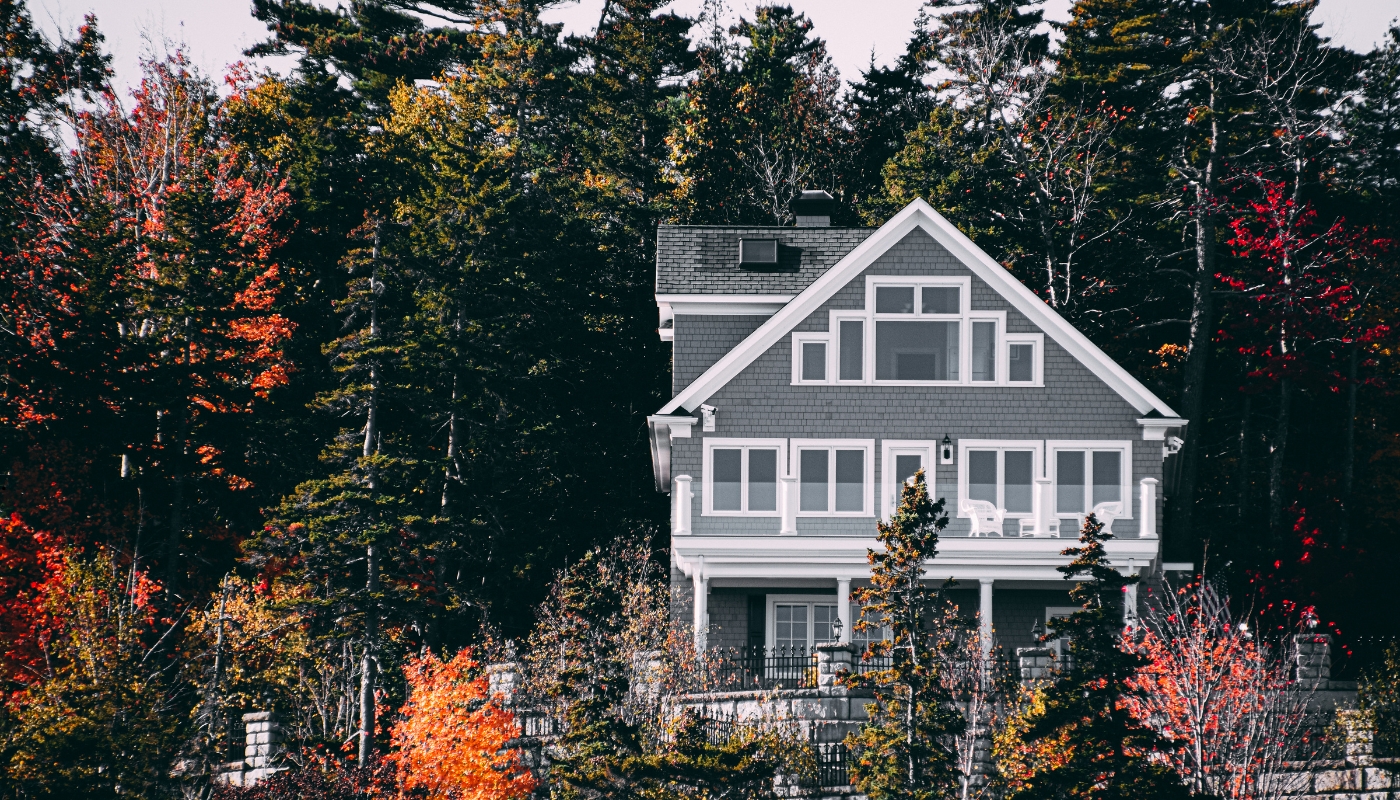
Cost & Value Considerations
While actual costs vary widely depending on the home size, scope and finish level, here are some guidelines and value-drivers.
Cost Drivers
-
Scope of work: Full gut vs. cosmetic updates; structural changes; addition of rooms or second story.
-
Quality of finishes: Hardwood vs. carpeting; granite/quartz vs. basic laminate; custom cabinetry vs. stock; luxury appliances vs. standard.
-
Systems replacement: Roof, HVAC, windows, foundation can add substantial cost.
-
Complexity of design and layout: Unique shapes, high ceilings, custom features cost more.
-
Outdoor/landscape/ADU work: Patios, decks, outdoor kitchens, ADUs add.
-
Home size: Larger homes cost more in total though cost per square foot might drop somewhat.
-
Location and accessibility: In Davis, local labour, permit environment and market conditions influence cost.
Value Realisation
-
A whole house remodel typically yields high value if the work is well-executed and in alignment with market expectations.
-
Key value-drivers: solid design and flow, high quality materials, system upgrades, excellent finish quality, modern but timeless aesthetic, strong indoor/outdoor connection.
-
For resale, a home that flows, is efficient and appealing to a broad buyer base will stand out in Davis’s market.
-
Even if not selling, the value resides in improved living experience: comfort, aesthetics, reduced maintenance, better functionality.
Typical Cost Ranges
While exact data for Davis is variable, industry sources for Northern California suggest for full home remodels:
-
Modest remodel (limited structural changes, mid-range finishes): perhaps $150-250 per square foot (or more) depending on scope and home condition.
-
High-end remodel with custom finishes, major structural changes, large home: $300+