
Introduction
What Is Meant by “Classic Kitchen Remodel”?
The Folsom, CA Context: What to Know Before You Remodel
Planning Your Classic Kitchen Remodel
Design Inspiration: Classic Details that Elevate
Case Studies & Local Examples in Folsom
Cost Expectations & Budgeting in Folsom
How Remodel California Could Position a Classic Kitchen Offering in Folsom
Practical Tips & Pitfalls to Avoid
Timeline & Scheduling
A Classic Remodel in Folsom, Step by Step
Summary & Key Takeaways
Resources
Introduction
A kitchen is often called the heart of the home — a place for cooking, gathering, entertaining, and day-to-day living. In Folsom, CA — with its blend of historic neighborhoods, modern subdivisions, and evolving tastes — a classic kitchen remodel can strike an ideal balance: honoring timeless design elements while meeting contemporary functionality, efficiency, and lifestyle demands.
This article will explore what “classic” means in a kitchen remodel context, how to plan and execute such a remodel in Folsom, CA (taking into account local conditions, regulations, and preferences), typical costs, and tips for selecting contractors and materials. Along the way, we’ll touch on how a full-service firm like Remodel California might structure and deliver such a project.
By the end, you’ll have a comprehensive guide (approx. 4,000 words) to help you envision or undertake a classic kitchen remodel in Folsom.
What Is Meant by “Classic Kitchen Remodel”?
Before diving into logistics and execution, it is crucial to define what a “classic kitchen remodel” is (and is not). Too often, people conflate “classic” with “old-fashioned” or “traditional,” but in practice it’s about timelessness, elegance, balance, and enduring appeal.
1.1 Core Principles of Classic Kitchen Design
Here are key characteristics that help distinguish a classic remodel:
-
Symmetry and proportion: Classic kitchens often emphasize balance. Cabinet groupings, built-in features, or centered design elements (like range hoods) help maintain composure and harmony.
-
Quality materials and craftsmanship: Rather than chasing too many trends, classic design favors well-made materials — real wood or high-quality finishes, natural stone or engineered stone with subtle veining, glass, metal detailing, etc.
-
Neutral palettes with accent contrast: Whites, creams, greys, soft beiges are common, with accent elements (e.g. dark island cabinetry, black hardware, warm wood tones) used deftly.
-
Architectural detailing: Corbels, crown moldings, glass-front cabinets, inset or framed cabinetry, wainscoting or beadboard backsplashes, decorative lighting — these touches elevate design without going over the top.
-
Functionality that endures: A classic kitchen doesn’t sacrifice usability. Storage organization, intelligent layout (work triangle or workflow zones), quality appliances, and durable finishes are integral.
In short, a classic kitchen remodel means combining timeless form with modern function.
1.2 Why Choose Classic Over Ultra-Modern or Extreme Styles?
-
Longevity & resale value: Trends come and go. A classic kitchen is less likely to look dated in 10 or 15 years, which protects your investment.
-
Broader appeal: If you ever resell your home, neutral classic design tends to appeal to a wider audience than very trendy or niche styles.
-
Flexibility to evolve: While the bones remain classic, you can update smaller elements (hardware, lighting, paint) over time to refresh the look.
-
Respect for neighborhood character: In Folsom, many homes have traditional or transitional architectural styles. A classic kitchen often harmonizes better with the existing home than an ultra-modern aesthetic would.
Thus, for homeowners in Folsom seeking both beauty and enduring relevance, a classic remodel is an excellent choice.
The Folsom, CA Context: What to Know Before You Remodel
If you’re doing a classic kitchen remodel in Folsom, California, you’re working within the constraints, opportunities, and context of that locale. Below are important local considerations.
2.1 Folsom’s Housing Stock & Architectural Styles
Folsom encompasses a variety of housing typologies — older homes in historic neighborhoods, mid-century homes, newer subdivisions, and infill development. Many houses were originally built with traditional or transitional styles, not ultra-modern ones. This means a classic kitchen can dovetail well with existing architectural elements (trim, windows, moldings) rather than fighting against them.
That said, modern homes in Folsom also exist, and many homeowners want a classic kitchen that still feels fresh and relevant to a newer house.
2.2 Climate, Materials, and Durability
Folsom, in Sacramento County, has a Mediterranean climate: hot, dry summers; mild, wet winters. That means:
-
Materials must handle temperature changes and occasional humidity.
-
Window orientation, natural light, and ventilation matter (you don’t want your kitchen overheating).
-
Flooring choices should be durable to resist wear, occasional moisture, and temperature fluctuations.
2.3 Permits, Codes & Local Regulation
Any major remodel in Folsom likely requires building permits — especially if you’re doing structural changes, plumbing relocations, HVAC work, or significant electrical alterations. A professional contractor familiar with Folsom’s municipal requirements will help navigate:
-
Building permits
-
Electrical, plumbing, and mechanical permits
-
Local inspections (rough, final)
-
Historic preservation considerations (if the home is in a historic district)
Ensure your remodeler is licensed, bonded, insured, and knowledgeable in Folsom’s local code environment. Many local firms like GVD Renovations & Remodeling advertise their familiarity with permits, planning, and local customer portfolios in Folsom. GVD Renovations
2.4 Local Contractors & Competition
Folsom has several established kitchen and home remodel contractors, which is good — you have options. Some noted ones:
-
GVD Renovations & Remodeling, highly rated, active in Folsom, offering kitchen remodels, cabinetry, free design consultations. GVD Renovations
-
Kitchen Mart, with nearly 50 years of experience in Sacramento area including Folsom. KitchenMart
-
Yancey Company, emphasizing in-house design and quality materials. yanceycompany.com
-
DR Design & Remodel, active in Folsom and adjacent areas. DR Design & Remodel
-
Blackrock Builders & Engineering, offering remodeling services in Folsom. brbandengineering.com
A company like Remodel California would need to differentiate itself — perhaps via superior project management, design aesthetic (classic/heritage), materials sourcing, or client experience.
Planning Your Classic Kitchen Remodel: Key Phases & Considerations
A successful remodel doesn’t start with a sledgehammer — it begins with comprehensive planning. Below is a systematic view of how to plan a classic kitchen remodel in Folsom.
3.1 Discovery & Visioning Phase
In this phase, you (the homeowner) and your contractor (or design-build firm) work together to clarify goals, constraints, and priorities.
Important steps:
-
Assessment of existing conditions
-
Structural layout, wall studs, load-bearing walls
-
Plumbing locations and constraints
-
Electrical panel capacity, wiring
-
HVAC ducts, venting, ceiling heights
-
Flooring substrate, subfloor condition, moisture issues
-
-
Programming & user needs
-
Who uses the kitchen and how? (family, solo cook, entertaining)
-
Desired features: baking zone, coffee station, double ovens, pantry
-
Storage needs: cookware, small appliances, pantry, tall items
-
Traffic flow: access routes, kitchen to dining, kitchen to outdoors
-
-
Style vision & inspiration
-
Gather inspiration photos (classic kitchens you love)
-
Decide on palette, cabinet style (inset, frame, slab), hardware style
-
Identify enduring materials (stone, wood, metal)
-
Clarify must-haves vs nice-to-haves
-
-
Budget & feasibility
-
Set a realistic budget (including contingency).
-
Discuss priorities: where to spend vs where to save.
-
Evaluate feasibility of structural changes, relocations.
-
-
Contractor selection & vetting
-
Request portfolios (especially classic or transitional kitchens)
-
Check local references, reviews, licensing
-
Ensure clear contract terms (scope, payment schedule, changes)
-
At this stage, a firm like Remodel California might produce preliminary design sketches, a conceptual plan, and rough cost estimates. The more precise these early documents are, the fewer surprises later.
3.2 Design & Documentation Phase
Once your vision is clarified and you’ve selected a contractor/designer, the design team proceeds to develop drawings, specifications, and permit-ready documents.
Deliverables typically include:
-
Floor plans (existing and proposed)
-
Elevations: cabinet layout, feature walls, built-ins
-
Sections: showing vertical relationships, crown moldings, ceilings
-
3D renderings (sometimes) — helpful to visualize final look
-
Material selections: cabinetry (style, finish), countertop material, backsplash tile, flooring, fixtures, lighting
-
Hardware & trim details
-
Electrical & lighting plan: switches, lighting circuits, under-cabinet, pendants
-
Plumbing plan: sink, dishwasher, pot filler, water lines
-
Ventilation/hood plan
-
Schedule of finishes & fixtures
-
Permit documents & structural engineering (if needed)
Because “classic” design often includes architectural moldings, custom inset cabinetry, and fine detailing, the drawings must be thorough. Any ambiguity will lead to issues in construction. Your contractor should budget time for revisions and client review.
3.3 Permitting & Approvals
With design documents in hand, you or your contractor submits the permit application to the City of Folsom (or Sacramento County if applicable). This includes structural, plumbing, mechanical, and electrical permits. The review may require revisions. Once approved, you receive permit numbers and signage, and the contractor can begin construction.
A seasoned local contractor will often handle or assist with this entire process. That saves you time and stress.
3.4 Pre-Construction & Procurement
Before demolition begins, there is a flurry of activity behind the scenes:
-
Ordering long-lead items: custom cabinetry, stone slabs, appliances, specialty hardware
-
Scheduling subcontractors (plumbers, electricians, HVAC, tile, finish carpentry)
-
Protecting existing home areas: dust barriers, floor protection, containment
-
Logistics planning: site access, deliveries, staging
-
Finalizing selections & approvals with client
-
Mock-ups or sample installations (cabinet door, trim detail)
Because a classic kitchen often relies on custom or boutique materials, procurement must be carefully managed to avoid delays.
3.5 Construction Phase (Demolition → Buildout → Finishes)
The bulk of work happens here. A well-structured sequence helps avoid conflicts and rework.
Typical sequence:
-
Demolition & site prep
Remove existing cabinets, countertops, flooring, appliances as needed. Ensure safe disposal and structural cleanup. -
Rough-ins (plumbing, electrical, HVAC)
Install new plumbing lines, relocate wiring, ductwork or venting, ensure code compliance. -
Framing & structural work
If walls are removed or added, framed support must be built, headers installed, any structural reinforcement done. -
Subfloor & surface prep
Level subfloor, repair or reinforce as needed, install underlayment for tile or hardwood. -
Cabinetry installation (first fix)
Place base cabinets, wall cabinets, ensure leveling and anchor properly. Leave space for hardware and doors. -
Countertops and stone work
Template, then install stone or engineered slabs, edge treatments. -
Backsplash, tile, wall finishes
Install tile or other backsplash materials, drywall repairs, painting, plaster trim, crown molding, paneling. -
Flooring installation
Hardwood, tile, or other chosen flooring. -
Finish carpentry & molding
Install trim, crown molding, valances, wood corbels, decorative panels. -
Fixtures, appliances & hardware
Connect sinks, faucets, appliances, install hardware, lighting. -
Final touch-ups, cleanup & punch list
Inspect, correct minor flaws, clean thoroughly, walk-through with homeowner. -
Final inspection & approvals
City inspectors sign off on plumbing, electrical, structural work. Obtain final approvals.
A classic kitchen remodel often has detailed finish work (moldings, cabinetry fit, door alignment). It’s essential the contractor maintains high levels of craftsmanship in finish phases.
3.6 Post-Completion & Warranty Follow-Up
Once your kitchen is complete:
-
The contractor should provide manuals, warranties, and maintenance guidance (for stone, wood, hardware).
-
Expect a warranty period (often 1 year) during which any defects or issues are addressed.
-
Some finer classic details (wood movement, grout curing, hardware settling) might require small adjustments after the first few months.
-
Your job should include a final walkthrough with the contractor to confirm satisfaction.
A high-end company like Remodel California would emphasize customer care, guarantee of finish quality, and support after project completion.
Design Inspiration: Classic Details that Elevate
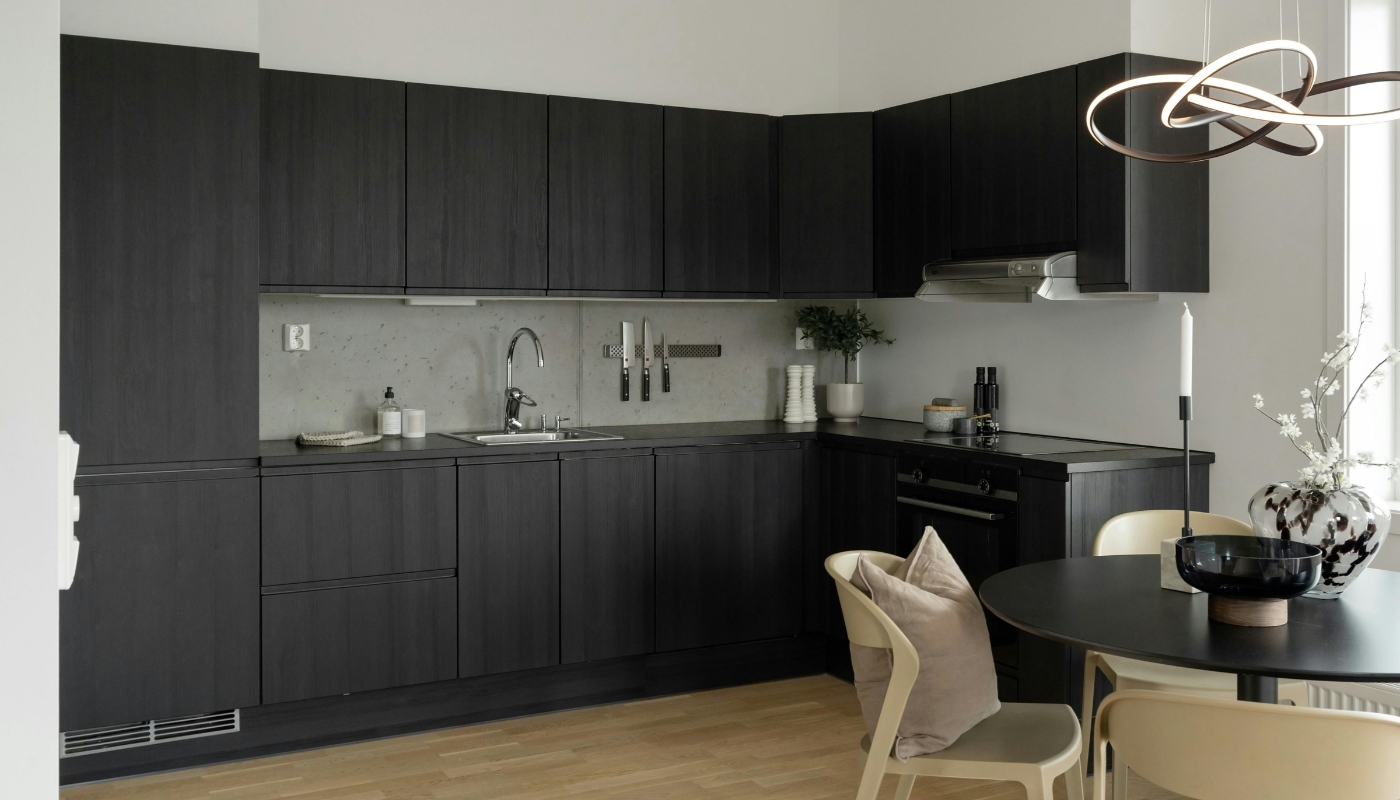
To achieve a genuinely classic kitchen, consider incorporating the following design details and features — many of which show up in the examples from Folsom-area remodels (see images above).
4.1 Cabinetry Style & Finish
-
Inset or frame-and-panel doors
-
Raised or recessed panel doors rather than flat slab
-
Glass-front or mullion doors in upper cabinets or display units
-
Beadboard panels, fluted columns, pilasters
-
Crown molding or paneled toe kicks
-
Two-tone cabinetry (e.g. painted island, wood perimeter)
-
Soft-close hinges and drawer glides
4.2 Countertops & Surfaces
-
Natural stone (marble, granite) or high-quality quartz with neutral veining
-
Edge profiles (e.g. ogee, ogee bevel, eased, bullnose)
-
Integrated sinks or undermount sinks
-
Seamless transitions or mitered corners
-
Durable finishes for heavy use
4.3 Backsplashes & Walls
-
Full-height subway tile or stacked stone
-
Herringbone, chevron, or basketweave patterns in accent zones
-
Decorative tile borders or inset tile medallions
-
Beadboard or wainscoting behind island seating or in breakfast nook zones
4.4 Lighting & Fixtures
-
Pendant lighting over islands (classic glass or metal)
-
Under-cabinet LED strip or puck lighting
-
Recessed ceiling lighting for general illumination
-
Decorative chandeliers (in more formal or open zones)
-
Traditional faucets (bridge, bridge-style, wrought iron)
-
Classic hardware (bin pulls, ornate knobs, cup pulls)
-
Built-in range hoods with decorative wood casings or molding
4.5 Flooring & Transitions
-
Hardwood (engineered or solid) in natural wood tones
-
Large-format tiles with classic patterns (French squares, checkerboards)
-
Stone tile with neutral tones
-
Well-thought transitions between adjacent flooring zones
4.6 Architectural Touches & Built-ins
-
Custom built-ins (bookcases, beverage stations, pantry cabinetry)
-
Display cabinetry with glass or open shelves
-
Window seats or banquettes in eat-in areas
-
Decorative corbels, pilasters, trim, wainscoting
-
Portico-style range hood surrounds
-
Decorative columns or arches
Case Studies & Local Examples in Folsom
Examining what has already been done in the Folsom area helps ground ideas in reality.
5.1 GVD Renovations — Full Kitchen Remodel in Folsom
GVD Renovations has documented a full kitchen remodel in Folsom featuring a fresh, open plan, high-end finishes, quality cabinetry, stone countertops, and thoughtful layout. Their local portfolio helps prospective homeowners see what is possible in similar floor plans and budgets. Their website also notes they handle permits and design internally. GVD Renovations
5.2 Kitchen Mart: Cabinet Refacing + Quartz in Folsom
Kitchen Mart in Folsom has completed projects where they refaced cabinets (instead of fully replacing) and installed quartz countertops with full-height backsplashes to transform older kitchens without complete demolition. KitchenMart These are good options when the bones of the kitchen are solid.
5.3 Yancey Company: In-House Design & Execution
Yancey Company, with experience across the greater Sacramento and Folsom area, emphasizes that they do much of the design and construction in-house (rather than subcontracting heavily). yanceycompany.com This model helps maintain control over quality and coordination — something Remodel California might emulate or benchmark.
5.4 DR Design & Remodel: Emphasis on Visualization
DR Design & Remodel offers a showroom where homeowners can explore cabinetry, countertops, tiles, fixtures, and use 3D visualization tools before construction begins. DR Design & Remodel This helps clients concretize their vision and reduce surprises.
Cost Expectations & Budgeting in Folsom
One of the most important practical concerns is cost. While each project is unique, here are guidance and ranges for a classic kitchen remodel in Folsom.
6.1 Major Cost Drivers
The total cost depends heavily on:
-
Kitchen size (square footage)
-
Extent of structural changes (walls removed, windows moved)
-
Relocation of plumbing or electrical
-
Quality of materials (custom cabinetry, premium stone, high-end appliances)
-
Complexity of details (custom moldings, insets, elaborate trim)
-
Local labor rates in Folsom / Sacramento region
-
Permit, inspection, contingency
-
Access, logistics, and site constraints
6.2 Typical Cost Ranges
While precise numbers must be tailored to your scenario, based on local remodeler data and industry norms:
-
A mid-range classic remodel in Folsom might run $40,000 to $80,000
-
A high-end, fully custom classic remodel (top materials, custom cabinetry, structural changes) could range $80,000 to $150,000+
-
Minor updates or cabinet refacing + modest upgrades may cost $15,000 to $30,000
GVD Renovations suggests their kitchen remodels are premium-quality and built to last — their clients expect durability and excellence. GVD Renovations
When planning, always allocate a 10–20% contingency because classic remodels often reveal hidden problems (old wiring, subfloor rot, plumbing issues).
6.3 Value & Return on Investment
Kitchen remodels often yield strong ROI. In Folsom, where housing values are relatively high and appreciation is strong, an elegant, well-executed kitchen can contribute significantly to your home’s resale appeal. Home improvement studies often cite kitchens as among the top 3 remodels for value return.
To maximize value:
-
Keep the design coherent with the house style
-
Use durable, quality materials
-
Avoid over-customizing to extremely niche tastes
-
Ensure excellent craftsmanship and finish quality
How Remodel California Could Position a Classic Kitchen Offering in Folsom
Given the competitive landscape and homeowner expectations, here’s how a firm like Remodel California might structure and market its classic kitchen remodel services in Folsom.
7.1 Differentiation Strategy
-
Specialization in Classic / Timeless Design: Position the firm as experts in classic and transitional kitchens, rather than chasing every trend.
-
Design-build integration: Offer full services — design, engineering, permit handling, construction — under one roof.
-
Client visualization tools: Use 3D renderings, VR walkthroughs, sample mock-ups, and showrooms to let homeowners see the end result.
-
Quality guarantee & oversight: Emphasize craftsmanship, attention to finish details, and post-project support.
-
Local expertise and partnerships: Build relationships with Folsom-area suppliers, subcontractors, and municipalities to streamline permitting, sourcing, and execution.
-
Transparent process & communication: Clear budgeting, progress tracking, client updates, and defined milestones to build trust.
7.2 Project Workflow (As Remodel California)
Here’s a hypothetical workflow that Remodel California might adopt:
-
Lead Capture / Consultation
-
Free in-home or showroom consultation
-
Homeowner shares style preferences, pain points, and goals
-
Preliminary site measurement, photography, basic condition study
-
-
Concept Design & Estimate
-
Generate two or more conceptual layouts and finish options (classic design)
-
Provide ballpark cost ranges and scope options
-
Discuss choices: full remodel vs partial, structural changes, upgrades
-
-
Design & Development
-
Once engaged via contract, proceed to detailed design, drawings, finish selections
-
Hold design reviews with homeowners, make adjustments
-
Incorporate any structural or engineering work
-
-
Permitting & Procurement
-
Submit permit applications
-
Order long-lead items (custom cabinetry, stone slabs, specialty hardware)
-
Schedule subcontractors and manage logistics
-
-
Construction & Execution
-
Sequential execution: demolition → rough-ins → framing → cabinets → stone → tile → finishes → hardware/appliances → punch list
-
Frequent site inspections and quality checks
-
Communication with homeowner at key milestones
-
-
Project Close & Follow-Up
-
Final walkthrough and punch list resolution
-
Document warranties, manuals, and maintenance tips
-
Follow up after 30/60/90 days to address settling or adjustments
-
-
Marketing & Portfolio
-
Document the completed kitchens with photography and video
-
Ask for referrals and testimonials
-
Publish case studies in Folsom, focusing on the “classic” style niche
-
By combining design sensitivity, execution discipline, and local insight, Remodel California can deliver classic kitchen remodels that stand out in Folsom’s competitive market.
Practical Tips & Pitfalls to Avoid
Here are some actionable tips and cautionary warnings for homeowners embarking on a classic kitchen remodel in Folsom.
8.1 Tips for Success
-
Spend more on cabinetry & hardware than decorative overspend: The kitchen will live or die by these core elements.
-
Shop stone slabs early: Prime slabs go quickly; let the stone drive countertop layout, not the other way.
-
Maintain serviceability: Even in classic design, plan for access, service panels, and utility zones.
-
Mock-up critical detail areas: If you have unique molding profiles or inset cabinetry, request a small mock-up to vet details.
-
Plan lighting layered: Ambient, task, accent lighting together — never rely on only overhead lights.
-
Ventilation matters: Range hood design and duct run must be optimized (avoid excessive elbows or long runs).
-
Leave breathing room (clearances): Between island and perimeter cabinets, you want comfortable 42–48″ in work zones.
-
Use blinds or removable trim details: For classic windows, allow access for cleaning or future changes.
-
Communicate change orders in writing: Classic remodels often spawn aesthetic changes; record all additions.
-
Protect the rest of your home: Dust containment, protective pathways, daily cleanup — small damages accumulate.
8.2 Common Pitfalls & How to Avoid Them
-
Underestimating hidden conditions: Old plumbing, subfloor rot, or walls that conceal surprises. Always include a contingency.
-
Poor coordination between trades: Electrical, plumbing, and finish carpentry can clash if not sequenced well.
-
Delayed material deliveries: Custom cabinetry or specialty hardware can be backordered; schedule wisely.
-
Mismatch between house style and kitchen design: A modern classic kitchen may feel out of place in a Victorian or Mediterranean home unless carefully designed.
-
Ignoring ergonomics: Just because something looks good doesn’t mean it’s comfortable (e.g. drawer depths, overhangs, clearance).
-
Compromising on structural support: If removing walls or adding cabinetry loads, make sure your framing is competent.
-
Skipping mock-up or sample review: Once cabinetry is installed, you cannot easily change trim or profiles.
-
Inadequate electrical capacity: High-end appliances, under-cabinet lighting, and future expansion demand robust electrical systems.
-
Over-customizing niche elements: Extremely quirky details may reduce appeal and make future updates harder.
By being proactive, disciplined, and working with a reputable contractor, you can mitigate these risks.
Timeline & Scheduling
A realistic remodel timeline helps you plan your life, budget, and expectations.
Here is a rough timeline breakdown (for a full classic remodel, moderate complexity):
| Phase | Duration Estimate |
|---|---|
| Initial consultation, measuring & design brief | 1–2 weeks |
| Concept design & homeowner review | 2–3 weeks |
| Design development, drawings, material selections | 3–4 weeks |
| Permit review & approval | 3–6 weeks (depending on complexity & city reviews) |
| Pre-construction & procurement | 2–3 weeks (overlaps with permit) |
| Demolition & rough-ins | 1 week |
| Framing & structural work | 1 week |
| Subfloor prep & electrical/plumbing rough | 1 week |
| Cabinetry installation (first fix) | 1 week |
| Countertops & stone work | 1 week (after template) |
| Backsplash, tile, finish wall work | 1 week |
| Flooring installation | 1 week |
| Finish carpentry & millwork | 1 week |
| Appliances, fixtures, hardware installation | 2–3 days |
| Punch list, touch-ups, cleanup | 3–5 days |
| Final inspections & homeowner walkthrough | variable |
In total, a full classic kitchen remodel might take 10 to 14 weeks (2.5 to 3.5 months). Complex structural work, delays in ordering long-lead items, or permit delays can extend this.
Contractors should build buffer time into the schedule to absorb minor hiccups.
Sample Narrative: A Classic Remodel in Folsom, Step by Step
To make all this more concrete, here is a fictional but realistic narrative of a classic kitchen remodel in Folsom — what it might look like if handled by Remodel California.
10.1 Meet the Homeowner & Brief
The Parkers own a 1990s traditional-style home in the Folsom Lakes neighborhood. They love its charm but feel the kitchen is dated: dark oak cabinets, awkward layout, no natural light, poor storage. Their goals:
-
Bring in brightness, preserve warmth
-
Add a functional island, double sink, and full-height pantry
-
Use classic design so it blends with the home’s architecture
-
Avoid spending on structural walls if possible
-
Keep some features, like a bay window and built-in bench
They hire Remodel California after reviewing their classic-style kitchen portfolio.
10.2 Discovery & Design
The team measures, photographs, and identifies plumbing, electrical, and ventilation constraints. They also test the subfloor for leveling issues.
They propose two preliminary layouts:
-
Option A retains the existing walls but relocates the sink and extends the island
-
Option B opens a partial wall to create a more open plan with more daylight
They show inspiration boards: crisp white inset cabinetry, Carrara-inspired quartz, soft warm grey island, herringbone backsplash behind range, and brass classic hardware.
Parkers choose Option B for light and flow. Remodel California proceeds with detailed design, including 3D renderings showing the future island, trim, lighting, and contrasts.
10.3 Procurement & Permits
The firm submits permit drawings to Folsom’s building department. Meanwhile, they place orders for cabinetry (white painted inset style), quartz slabs, specialty brass pulls, farmhouse sink, and appliances.
They schedule subs and create a logistics plan for material staging without blocking the garage.
10.4 Construction
-
Week 1: Demo and removal; safe containment of dust and debris.
-
Week 2: Electrical and plumbing rough-in relocated; open partial wall with engineered beam installed.
-
Week 3: Subfloor leveling and underlayment prep.
-
Week 4: Cabinet boxes installed; island supports anchored.
-
Week 5: Countertop templating and fabrication.
-
Week 6: Quartz countertops installed, seams polished.
-
Week 7: Backsplash tile and accent herringbone behind range installed.
-
Week 8: Flooring (wide plank hardwood) installed, transitions neatly done.
-
Week 9: Finish carpentry — crown molding, applied panels, trim, corbels, window seat finish.
-
Week 10: Appliances and hardware installed; plumbing fixtures hooked up.
-
Week 11: Touch-ups, caulking, final adjustments.
-
Week 12: Final inspections, client walk-through, punch list resolution.
Throughout, they maintain open communication with the Parkers: weekly progress photos, heads-up on decisions, site cleanliness, and timeline updates.
10.5 Final Result and Reflection
The Parkers now have a classic, luminous kitchen that aligns with their home’s style. Highlights:
-
Bright white inset cabinetry with soft-close drawers
-
Contrasting navy-blue island with brass cup pulls
-
Carrara-style quartz with ogee edge
-
Full-height subway backsplash with herringbone accent
-
Hardwood floors that tie into adjacent rooms
-
Elegant pendant lighting over the island
-
Improved flow and natural daylight
Remodel California documents the project, obtains client testimonial, and adds it to their Folsom portfolio. They schedule a 30- and 90-day follow-up to catch settling or minor adjustments.
Summary & Key Takeaways
-
A classic kitchen remodel blends timeless aesthetics with practical, modern functionality.
-
In Folsom, CA, local architectural styles, climate, permitting, contractor pool, and material sourcing influence how projects must be done.
-
Planning is critical — from assessing existing conditions, defining user needs, to budgeting and securing permits.
-
The design & documentation phase must articulate all detail elements, especially in classic style (molding profiles, cabinetry profiles, trim).
-
Construction should follow a disciplined sequence (demo → rough-ins → finish work → installation → punch).
-
Costs vary widely; for a high-quality, fully custom classic remodel expect $40,000 to $150,000+, depending on scale and detail.
-
Success depends heavily on craftsmanship, communication, process control, and quality oversight.
-
A firm like Remodel California positioning itself in Folsom would benefit by emphasizing classic style specialization, local knowledge, full service, and client-centric practices.